What Is the Best Type of Home Improvement Windows?
Choosing the best home improvement windows is not simply a matter of selecting the highest price. Window performance depends on climate, glass orientation, frame material, installation quality, and household habits. The U.S. Department of Energy reports that windows can account for 25% to 30% of residential heating and cooling energy use. That figure makes the decision important. It does not make one product universally superior.
Building scientist Joseph Lstiburek has often described windows as “holes in the wall.” The phrase sounds blunt. It also explains the central challenge. A window must admit daylight while limiting unwanted heat, cold, air, and moisture. ENERGY STAR guidance recommends comparing U-factor and Solar Heat Gain Coefficient values for local climate conditions. The National Fenestration Rating Council label adds independently verified performance data. These labels are useful, but they can feel technical during a real renovation. A homeowner still needs practical advice about sunlight, drafts, condensation, and maintenance.
This article examines vinyl, wood, fiberglass, and composite options. It also considers double-pane and triple-pane glass, low-emissivity coatings, gas fills, and installation details. In my view, installation deserves more attention. A premium window can perform poorly when flashing is incomplete or the opening is measured incorrectly. That is an uncomfortable truth. Product selection matters, but workmanship may decide the final result. The best home improvement windows are therefore the ones that match the building, climate, budget, and installer’s proven experience.
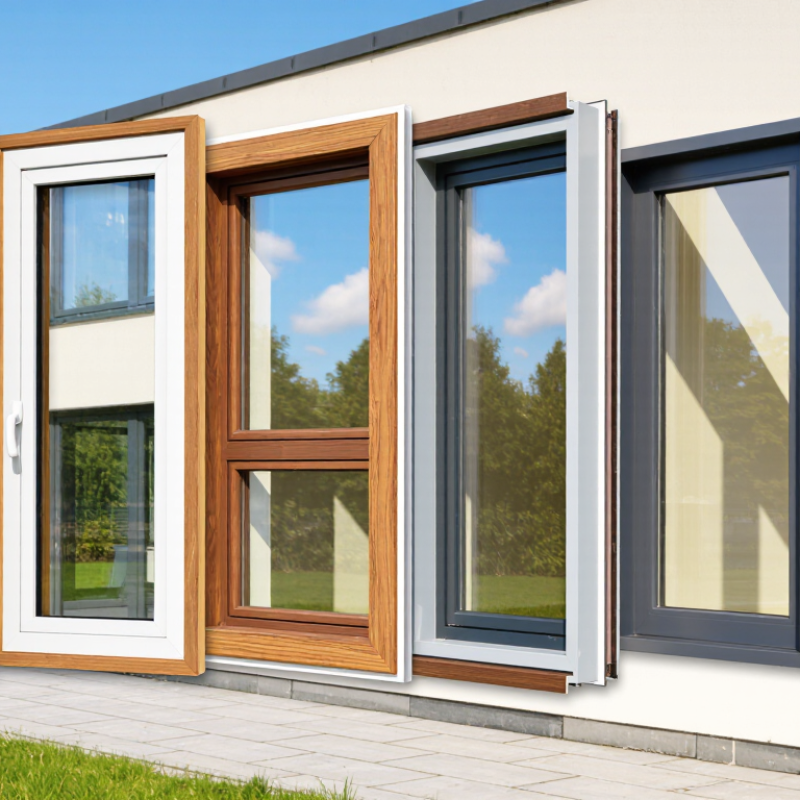
Window Types and Their Main Features
What Is the Best Type of Home Improvement Windows?
Window Types and Their Main Features
The best window depends on ventilation, sunlight, cleaning access, and climate. There is no universal winner. The U.S. Department of Energy reports that windows can cause 25–30% of residential heating and cooling energy use. Choosing the right design can therefore affect comfort and monthly costs.
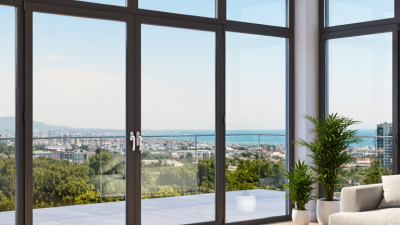
Double-hung windows allow both sashes to move, creating flexible airflow and easier cleaning. Casement windows open outward and usually provide a tighter seal. They work well beside kitchen sinks or above desks. Sliding windows move horizontally and need less exterior clearance, but their ventilation area is often smaller. Picture windows offer wide views and strong daylight, though they do not open. Awning windows can release warm air while resisting light rain. Bay and bow windows add interior space, but installation and structural work may cost more.
Tips: Compare U-factor, solar heat gain coefficient, visible transmittance, and air leakage on the National Fenestration Rating Council label. ENERGY STAR guidance identifies these ratings as key performance measures. A lower U-factor generally improves insulation. However, a low solar gain rating may reduce useful winter sunlight. I once favored large picture windows for a bright room, but glare and summer heat changed my view. Measure wall exposure, furniture placement, and cleaning reach before ordering. Ask for climate-specific performance data, not attractive samples alone.
What Is the Best Type of Home Improvement Window?
How to read the chart: A lower U-factor indicates better insulation and less heat transfer. Triple-pane Low-E windows generally provide the strongest thermal performance, while double-pane Low-E windows offer a practical balance between efficiency, cost, and weight. Actual performance varies with frame material, glazing, gas fill, installation quality, and climate.
How to Compare Window Materials and Frame Construction
The best home improvement window depends on the wall, climate, and maintenance expectations. Comparing materials is more useful than choosing a popular style. Vinyl frames resist moisture and usually need little upkeep. Wood offers warmth, strong insulation, and a classic interior finish. However, wood needs regular sealing, especially near wet or sunny exposures. Fiberglass frames are stable during temperature changes and can support larger glass areas. Aluminum is slim and durable, but it may transfer heat unless it includes a thermal break.
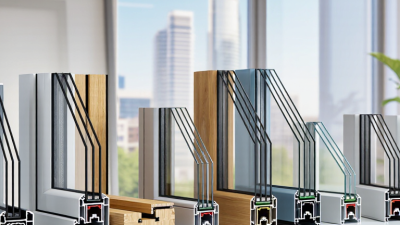
Frame construction matters as much as the material. Look for tight corner joints, reinforced meeting rails, and reliable weather seals. A well-built frame should close evenly without force. Double or triple glazing can improve comfort, but the glass package must match the frame and local conditions. Low-emissivity coatings and gas-filled spaces may reduce heat transfer. Ask for the window’s tested air leakage, water resistance, and insulation ratings. Marketing language alone is not enough.
Tips: Hold a sample frame before ordering. Check its weight, locking action, and corner finish. Measure the opening twice, and inspect the surrounding wall for moisture damage. I once focused too heavily on appearance and underestimated installation quality. That shortcut was wrong. Even an efficient window can perform poorly when flashing, shims, or drainage paths are missing. Compare the whole system, not just the material label.
Energy Efficiency, Glass Options, and Climate Considerations
What Is the Best Type of Home Improvement Windows?
The best replacement windows depend on energy performance, glass design, and local weather. A window assessment should consider the home’s orientation, shading, and existing insulation. South-facing glass may receive intense sunlight, while north-facing windows often lose heat. These differences matter.
Double-pane windows suit many moderate climates. Triple-pane units can improve comfort in colder regions, but they may cost more and reduce visible light slightly. Low-emissivity coatings help control heat transfer. Warm-edge spacers can also reduce cold borders around the glass. Look for tested U-factor and solar heat gain coefficient ratings, not vague efficiency claims.
In hot climates, lower solar heat gain can reduce indoor heat and cooling demand. Exterior shading often works better than relying on glass alone. In cold climates, a lower U-factor usually deserves greater attention. Humid areas need careful installation, because trapped moisture can damage frames and walls. A professional should check air leakage, drainage, and opening measurements.
Window frames matter too. Fiberglass, vinyl, wood, and composite materials perform differently in moisture and temperature changes. I would not choose glass by rating alone. A poorly sealed installation can waste the value of expensive glazing. That is an easy mistake to make. I have also seen homeowners overlook afternoon glare, then regret the choice. Evaluate comfort at the actual window, during the hardest season.
Choosing the Best Windows for Different Home Improvement Goals
What Is the Best Type of Home Improvement Windows?
Choosing the Best Windows for Different Home Improvement Goals
The best window depends on your home improvement goal, not just its appearance. For quieter rooms, laminated glass can reduce outdoor noise from traffic or nearby construction. Casement windows often provide strong ventilation because their sashes open outward. They can also create a tighter seal when closed. This matters in bedrooms and home offices.
For lower energy use, compare the window’s U-factor and solar heat gain coefficient. A lower U-factor usually means better insulation. In sunny rooms, a suitable solar heat gain rating can limit overheating. Low-emissivity glass may help, but climate and window direction still matter. A south-facing window needs different planning from a shaded north-facing one.
For easier maintenance, consider tilt-in designs and durable frame materials. Large fixed windows can bring in impressive daylight, though they provide no ventilation.
I once favored maximum glass in a renovation, then noticed the room became uncomfortable during summer afternoons. That choice looked excellent on paper. It needed more shade control.
Installation quality deserves equal attention. Even an efficient window may leak air if the opening is poorly measured or sealed. Ask for detailed measurements, flashing methods, drainage planning, and local building-code compliance. Costs can rise when surrounding trim or hidden moisture damage needs repair. A careful inspection before ordering often prevents that unpleasant surprise.