How to Choose Double Glazed Windows in 2026?
Choosing double glazed windows in 2026 involves more than comparing prices or admiring clean showroom displays. The right decision depends on your climate, building design, ventilation needs, and daily comfort. A bedroom facing a busy road may need stronger acoustic performance. A sunlit kitchen may benefit from solar-control glass. A cold hallway may need improved thermal insulation. These details matter.
This guide explains the features that deserve careful attention, including U-values, glass coatings, spacer bars, frame materials, ventilation, security, and installation quality. In practical terms, a window is only as effective as its weakest component. Even advanced glazing can perform poorly when fitting is careless. I have seen homeowners focus on the glass, then overlook cold bridges around the frame. That mistake can be expensive.
Look beyond marketing language. Request documented performance data, installation details, warranty conditions, and maintenance requirements from established suppliers. Check whether claimed ratings apply to the complete window unit, not only the glass panel. Regional building standards can also change, so verify current requirements with qualified local professionals. No single specification suits every property.
There is room for doubt. The most expensive option is not automatically the best one. Equally, the cheapest quote may hide weaker hardware or limited after-sales support. Consider comfort over several seasons, not just appearance on fitting day. By comparing measurable performance with real household priorities, you can choose windows that remain useful, efficient, and dependable well beyond 2026.
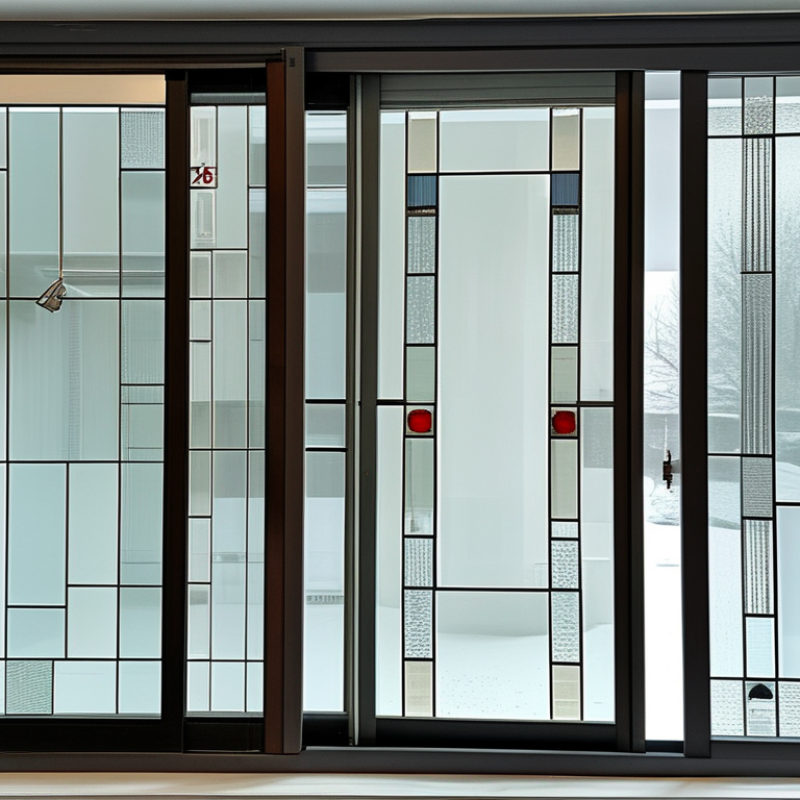
What Double Glazed Windows Are and How They Work
How to Choose Double Glazed Windows in 2026?
Double glazed windows contain two glass panes separated by a sealed space. A spacer keeps the panes evenly apart. The space usually contains dry air or an insulating gas, such as argon. This design slows heat transfer through conduction, convection, and radiation. It does not stop heat movement completely. That distinction matters.
During winter, indoor heat reaches the inner pane and moves more slowly toward the outside. During summer, the outer pane absorbs less heat before it reaches the room. A low-emissivity coating can reflect heat back toward its source. Warm-edge spacers and well-made seals can reduce heat loss around the glass edge. The first explanation I gave a homeowner was too simple. I called the window a heat barrier. In reality, glass type, frame material, orientation, ventilation, and installation all affect performance.
When choosing in 2026, ask for the whole-window U-value, not only the centre-glass figure. A lower U-value generally indicates better insulation. Check solar-control performance if the room faces strong afternoon sun. Also inspect drainage paths, locking points, and seal quality. A poorly fitted window can waste the benefits of expensive glass. I have seen condensation blamed on double glazing when indoor humidity was the real cause. Numbers can mislead. Local climate, building rules, and installer experience deserve equal attention.
Which Window Materials, Glass Types, and Designs Suit Your Home
Choosing double glazed windows in 2026 starts with your home’s materials, climate, and daily routines. uPVC frames offer low maintenance and good insulation, while timber creates a warmer, natural appearance. Timber needs regular care, especially in damp or coastal areas. Aluminium frames suit modern homes and wide openings, but they need thermally broken designs to reduce heat transfer. I have found that the cheapest frame is rarely the most suitable after installation costs and maintenance are considered.
Glass selection matters just as much. Low-emissivity glass helps retain indoor warmth during winter. Solar-control glass can reduce overheating beside south-facing windows. For bedrooms, laminated acoustic glass may soften traffic noise. Triple glazing can improve comfort, but its weight and price may not suit every wall structure. Ask a qualified installer to check U-values, air leakage, drainage, and local weather exposure. A beautiful window can still perform poorly if fitted carelessly.
Tips:
Match the opening style to the room. Tilt-and-turn windows help with ventilation and cleaning. Sliding designs save space but may provide less airtightness. Check how sunlight moves across your rooms before choosing tinted glass. Request written performance data, not vague energy claims. My own planning mistake would be choosing appearance first; frame depth, seals, and installation quality deserve equal attention. Fresh air matters too. Avoid making every room completely sealed without planning safe ventilation.
How to Compare Energy Efficiency, Insulation, and Noise Reduction
How to Choose Double Glazed Windows in 2026?
Double glazing should be judged by performance data, not glass appearance. The U.S. Department of Energy estimates that windows can cause 25–30% of household heating and cooling energy use. Compare the whole-window U-value, not only the centre-glass figure. A lower U-value means better insulation. Also check the solar heat gain coefficient, or SHGC. Lower SHGC can reduce summer overheating, while a higher value may help sunny winter rooms. Climate matters more than sales language.
Noise reduction needs a separate check. Look for the tested sound transmission class, or STC, and ask whether the rating covers the complete window. The World Health Organization recommends keeping bedroom night noise below 40 dB Lnight. Yet a high glass rating cannot fully solve traffic noise if frames, vents, walls, or installation leak sound. In my experience, a quiet sample room can mislead. Real streets are messier. Poor fitting remains an uncomfortable possibility.
Tips: Request a performance certificate from an independent testing body. Compare U-value, SHGC, visible transmittance, air leakage, and STC together. Choose warm-edge spacers and insulated frames where winter temperatures fall sharply. Inspect the installation gap before the frame is sealed. Recheck room ventilation, because tighter windows may increase condensation risks without planned airflow. Do not assume triple glazing always performs better; weight, cost, solar exposure, and workmanship can change the result.
How to Choose Double Glazed Windows in 2026? — Comparing Energy Efficiency, Insulation, and Noise Reduction
| Double-Glazing Specification |
Typical Centre-of-Glass U-Value |
Solar Heat Gain Coefficient (SHGC) |
Visible Light Transmittance (VLT) |
Typical Acoustic Rating |
Best-Suited Application |
Key Trade-Off |
Clear double glazing
6 mm / 12 mm air / 6 mm clear glass |
≈ 2.7 W/m²·K |
≈ 0.70 |
≈ 0.78 |
≈ 30–32 dB Rw |
Moderate climates, low-cost replacement projects, and rooms where thermal performance is not the main concern. |
Lowest initial cost, but higher heat transfer and limited solar-control performance. |
Low-E double glazing with argon
6 mm / 16 mm argon / 6 mm low-E glass |
≈ 1.1–1.4 W/m²·K |
≈ 0.55–0.65 |
≈ 0.65–0.75 |
≈ 31–34 dB Rw |
Most heating-dominated homes and general-purpose energy upgrades. |
Strong energy-efficiency improvement without substantially reducing daylight. |
Solar-control low-E double glazing with argon
6 mm / 16 mm argon / 6 mm solar-control low-E glass |
≈ 1.0–1.3 W/m²·K |
≈ 0.27–0.45 |
≈ 0.45–0.65 |
≈ 31–34 dB Rw |
Hot climates, highly glazed elevations, and rooms exposed to strong afternoon sun. |
Reduces overheating and cooling loads, but may lower daylight and passive winter heat gains. |
Acoustic double glazing with laminated pane
6 mm laminated / 16 mm argon / 6 mm low-E glass |
≈ 1.2–1.5 W/m²·K |
≈ 0.45–0.60 |
≈ 0.60–0.72 |
≈ 35–39 dB Rw |
Homes near busy roads, railways, schools, or other intermittent outdoor noise sources. |
Improves sound insulation, but results depend heavily on frame, seals, installation, and ventilation openings. |
Asymmetric acoustic double glazing
8 mm laminated / 16 mm argon / 6 mm low-E glass |
≈ 1.3–1.6 W/m²·K |
≈ 0.40–0.55 |
≈ 0.55–0.68 |
≈ 38–42 dB Rw |
Higher-noise locations where traffic, aircraft, or urban activity is a major comfort concern. |
Better broadband noise control, with greater weight, cost, and possible colour variation from laminated glass. |
Warm-edge spacer, argon-filled low-E double glazing
Insulated frame with thermally improved edge detail |
≈ 1.0–1.3 W/m²·K
whole-window value may be ≈ 1.2–1.6 |
≈ 0.45–0.65 |
≈ 0.60–0.75 |
≈ 32–35 dB Rw |
Cold climates and projects prioritising lower condensation risk and improved frame-edge performance. |
Whole-window performance is more reliable than glass-only figures, but frame design and installation remain critical. |
|
How to read the figures:
Lower U-values indicate better resistance to heat flow. SHGC values range from 0 to 1; lower values reduce solar heat gain, while higher values admit more useful winter sun. VLT indicates the percentage of visible daylight transmitted. Acoustic values are approximate laboratory ratings; actual noise reduction can be lower because of frames, seals, vents, walls, and installation quality. Values are indicative ranges for common double-glazed constructions and should be verified using the complete window system’s certified performance data.
|
How to Assess Costs, Lifespan, Warranties, and Long-Term Value
How to Choose Double Glazed Windows in 2026?
The cheapest quote is rarely the cheapest decision. Compare the full cost, including delivery, removal, fitting, trims, and disposal. Ask for an itemised quotation, not a rounded figure. A typical room may need different glass from a sunny kitchen or a noisy bedroom. Check the window’s U-value, frame material, glass specification, and installation method. Lower heat loss can reduce energy bills, but savings depend on insulation, heating habits, and local weather. The calculation is not perfect.
Lifespan deserves practical attention. Well-installed double glazed windows may last around 20 to 30 years, but seals, hardware, and frames can age differently. Look for drainage holes, replaceable handles, and accessible locking parts. Condensation between panes signals a failed sealed unit. That repair may cost less than replacing the whole frame. Ask how the installer handles adjustments after winter movement. Small details matter.
Read the warranty before signing. Confirm its length, coverage, exclusions, labour terms, and transfer conditions if you sell the property. A ten-year glass warranty may not cover hinges, seals, installation errors, or accidental damage. Keep the invoice and installation certificate. They may be needed later. Long-term value also includes comfort, noise reduction, maintenance, and resale appeal. However, expensive windows do not automatically perform better. Request independent performance evidence, inspect previous installations, and question promises that sound unusually certain. Real value appears over years, not on the day of installation.
How to Choose Double Glazed Windows in 2026
Typical UK replacement-window figures show that double glazing usually offers a lower purchase cost than triple glazing while achieving a substantial service life. Compare the quoted installed cost, expected lifespan, warranty length, frame quality and whole-home energy performance rather than choosing on price alone.
How to interpret the chart: Double glazed windows typically provide a strong balance between upfront cost, thermal improvement and long-term durability. Before ordering, request a whole-window U-value, confirm the warranty exclusions, check installation and drainage details, and compare the expected annualised cost by dividing the installed price by the estimated service life.
Figures are representative UK market ranges and service-life estimates for standard residential replacement windows, not quotations or guarantees. Actual costs vary with window size, opening style, frame material, glazing specification, access and location. Typical warranties depend on the installer and product specification.