What Are the Best Residential Window Solutions?
Choosing the right residential window solutions is not simply a matter of selecting attractive glass. Windows influence daylight, indoor comfort, energy use, ventilation, security, and long-term maintenance. A beautiful window can still perform poorly if its frame, glazing, or installation does not suit the home.
Building-science expert Dr. Joseph Lstiburek is widely associated with the practical warning, “A window is a hole in the wall.” That short sentence deserves attention. It reminds homeowners that every window creates a potential path for heat loss, air leakage, water intrusion, and unwanted noise. Good residential window solutions must therefore work as part of the entire building envelope, not as isolated products.
This guide will examine window materials, glazing options, frame styles, energy ratings, installation quality, and regional climate needs. Vinyl may offer affordable performance, while fiberglass and wood can provide different strengths. Double-pane glass may be enough in mild regions, but triple-pane units can make more sense in colder climates. Details matter.
Still, no single window wins every home. A highly efficient product may exceed a modest renovation budget. A premium frame may require more maintenance than expected. Even accurate advice can miss the realities of an older house, including uneven openings or hidden moisture damage.
The best choice balances comfort, appearance, durability, cost, and installation expertise. This article offers a practical starting point, while encouraging homeowners to verify product ratings and consult qualified local professionals.
Residential Window Types and Their Core Functions
Residential window choices should begin with function, not appearance. Fixed windows provide daylight and views, but they do not ventilate a room. They work well beside operable units in living rooms or stairwells. Casement windows open outward with a crank, creating a broad airflow path. They often seal tightly when closed. Double-hung windows slide vertically, allowing warm air to escape above while cooler air enters below. They suit bedrooms, traditional façades, and spaces needing controlled ventilation.
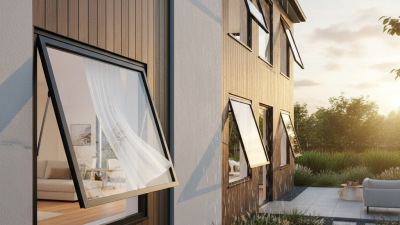
Sliding windows move horizontally and require little exterior clearance. They are practical near walkways or patios, although their opening area may be smaller than expected. Awning windows hinge at the top and can remain partly open during light rain. They are useful above sinks, in bathrooms, and in humid kitchens. Picture windows offer wide, uninterrupted views, but they need another window nearby for fresh air. Egress requirements also matter in sleeping rooms. A beautiful window can still be unsuitable if emergency opening space is limited.
Glass selection changes performance significantly. Low-emissivity glazing can reduce heat transfer, while double or triple panes improve indoor comfort and reduce outside noise. Frames also affect insulation, maintenance, and durability. In real homes, orientation matters: strong west sunlight may cause afternoon glare and overheating. Curtains help, but they are not a complete solution. I have seen homeowners choose large glass for a bright room, then regret the summer heat. Window planning is rarely perfect. Measure airflow, sunlight, moisture, and furniture clearance before deciding.
Key Factors for Comparing Window Materials and Designs
What Are the Best Residential Window Solutions?
Choosing residential windows requires more than comparing appearance and price. Material, glass performance, ventilation, and installation quality all affect daily comfort. I have found that the right choice depends strongly on climate, wall exposure, and maintenance habits.
Vinyl frames usually offer low maintenance and steady insulation at a moderate cost. Wood frames provide warmth and character, but they need careful sealing and periodic inspection. Aluminum frames look slim and modern, yet they can transfer heat unless they include an effective thermal break. Fiberglass or composite frames often balance strength, stability, and energy performance. No material is perfect.
Design matters just as much. Casement windows can catch breezes effectively, while double-hung windows suit traditional rooms and allow flexible ventilation. Sliding windows operate easily, but their opening area may be smaller. Awning designs can provide airflow during light rain. Check the window’s U-factor, solar heat gain coefficient, visible transmittance, and air-leakage rating. These figures are more useful than vague claims about efficiency.
Installation deserves equal attention. A well-rated window can perform poorly if the opening is measured incorrectly or flashing is incomplete. I have seen condensation blamed on the glass when indoor humidity was the real problem. Coastal homes may need corrosion-resistant hardware, while cold regions require careful attention to edge seals. Local building requirements and independent performance labels should guide the final comparison.
Energy Efficiency, Glazing, and Indoor Comfort Considerations
What Are the Best Residential Window Solutions?
Energy efficiency starts with the whole window, not the glass alone. The U.S. Department of Energy reports that windows can cause 25–30% of a home’s heating and cooling energy use. A lower U-factor improves insulation during cold weather. A lower solar heat gain coefficient can reduce summer heat. However, choosing the lowest number everywhere is not always wise. Climate, window direction, shading, and room use must guide the decision.
Glazing deserves careful attention. Double glazing suits many homes, while triple glazing can improve comfort in colder regions. Low-emissivity coatings help reflect indoor heat during winter and limit solar gain during summer. Argon-filled cavities may improve thermal performance, but poor edge seals can weaken the result. The National Fenestration Rating Council recommends comparing tested U-factor, solar heat gain coefficient, visible transmittance, and air-leakage ratings. Numbers matter.
Indoor comfort is more than a utility bill. A well-installed window can reduce cold drafts, interior condensation, and uneven room temperatures. The U.S. Department of Energy also emphasizes that installation quality strongly affects real-world performance. A small gap around the frame can undermine expensive glazing. I have seen homeowners focus on glass and overlook flashing, drainage, and fasteners. That is an understandable mistake. Comfort assessments should include afternoon glare, street noise, humidity, and furniture placement. Sometimes a modestly rated window, installed correctly, performs better than a premium unit installed carelessly.
Installation, Maintenance, Security, and Long-Term Value
What Are the Best Residential Window Solutions?
Installation determines whether a window performs as promised. A qualified installer should check opening sizes, sill drainage, flashing, shims, and air sealing. Small gaps can defeat expensive glass. The U.S. Department of Energy reports that windows account for 25–30% of residential heating and cooling energy use. This makes installation an operating issue, not merely a design choice. Ask for NFRC labels showing U-factor and solar heat gain coefficient before approving the order.
Maintenance is quieter, but it protects performance. Inspect caulk and weatherstripping every year. Clear drainage holes with a soft brush. Never paint over moving tracks. DOE Energy Saver guidance recommends regular inspection and repair of air leaks. Condensation between panes may indicate a failed insulating seal. Surface condensation can simply reflect high indoor humidity. The distinction matters. Keep installation records, warranty documents, and repair dates together. Even careful estimates can be wrong when moisture damage is hidden behind trim.
Security should be layered. Consider laminated glass, reinforced locks, and properly anchored frames where exposure justifies the cost. The FBI’s 2023 Crime Data Explorer recorded more than 800,000 burglaries in the United States. That figure does not prove windows cause entries, but it supports practical risk assessment. Long-term value also deserves realistic expectations. The 2024 Cost vs. Value Report estimated that vinyl window replacement recovered about 67.1% of project cost at resale. This is a national average, not a promise. Climate, installation quality, and local buyer preferences can change the result.