Why Choose Home Window Systems for Global Projects?
Choosing home window systems for global projects involves more than comparing frame colors or glass prices. Windows must perform across hot coasts, freezing cities, dusty plains, and humid neighborhoods. They influence daylight, indoor comfort, ventilation, noise control, and long-term energy use. A suitable system should also match local construction methods and maintenance skills.
Carl Elefante, FAIA, a recognized sustainability expert and former AIA president, said, “The greenest building is the one that is already built.” His statement offers an important lesson for international housing projects. Durable home window systems can extend a building’s useful life instead of encouraging repeated replacement. That requires careful evaluation of thermal performance, weather sealing, corrosion resistance, and repair access. Small details matter. A poorly fitted sash can waste energy every day.
Global work is rarely perfectly predictable. Supply delays happen. Local installers may interpret specifications differently. A product that performs well in one region may fail in another. This is where documented testing, transparent warranties, and verified project experience become essential. Manufacturers should provide clear performance data, installation guidance, and replacement support.
There is no universal window.
Project teams must balance climate, budget, appearance, safety, and local expectations. Sometimes, the most advanced system is not the most practical choice. A simpler design may be easier to repair and more dependable over twenty years. That judgment takes professional experience, not attractive marketing alone. This guide examines how home window systems can support reliable global projects while acknowledging the compromises that real buildings inevitably require.

What Are Home Window Systems?
Why Choose Home Window Systems for Global Projects?
What Are Home Window Systems?
Home window systems are complete assemblies, not just sheets of glass. They combine frames, glazing, spacers, seals, hardware, drainage paths, and installation interfaces. Each part affects comfort, safety, durability, and energy performance.
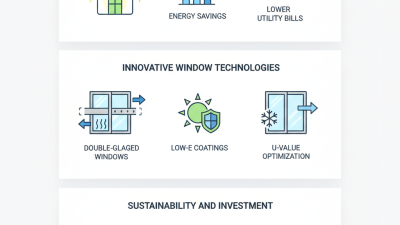
The U.S. Department of Energy reports that windows can cause 25–30% of residential heating and cooling energy use. That figure explains why project teams assess the whole system. Low-emissivity glazing can reduce heat transfer, while insulated frames limit thermal bridges. Airtight seals also help control drafts, dust, and outdoor noise. Small details matter.
Regional conditions change the specification. A coastal home may need corrosion-resistant hardware and stronger drainage design. In colder regions, installers must control condensation around the frame. In hot climates, solar-control glazing can reduce indoor heat gain. The International Energy Agency links building efficiency with lower energy demand, but efficient windows cannot repair poor installation. That is an uncomfortable limitation.
Good evaluation includes thermal transmittance, solar heat gain coefficient, air leakage, water resistance, and wind-load testing. Independent certification adds useful evidence. Still, laboratory results are not field guarantees. Site tolerances, cleaning habits, and local workmanship can alter performance. A practical system must fit the building, climate, regulations, and maintenance capacity—not only the product schedule.
How Do Home Window Systems Support Global Project Needs?
Home window systems support global projects by adapting to different climates, building codes, and installation conditions. In a coastal apartment, corrosion resistance matters beside strong wind protection. In a cold inland region, insulated frames and low-emissivity glass can reduce heat loss. In warmer areas, solar-control glazing helps limit indoor heat and glare.
Project teams can select window configurations, opening styles, frame materials, and glass combinations for each site. Accurate technical drawings support coordination with architects, contractors, and local engineers. Performance data should cover air leakage, water resistance, wind pressure, thermal transfer, and acoustic control. These details help teams compare products using measurable criteria rather than attractive samples alone.
Reliable supply also matters. Standardized components can simplify production, packaging, replacement, and installation across several countries. Clear labeling and multilingual instructions reduce mistakes on busy construction sites. Local testing requirements still need careful review, because one approval may not satisfy another jurisdiction. The first specification is rarely perfect. Field feedback may reveal unexpected issues, such as drainage blockage, difficult access, or hardware wear after repeated use. Experienced suppliers should document these findings and adjust future orders. A dependable window system is not only delivered on schedule; it must remain serviceable when the project team is thousands of kilometers away.
Which Materials and Designs Suit Different Climates?
Choosing window systems for global projects starts with climate, not appearance. Heat, rain, salt air, snow, and dust place different demands on frames and glass. In project assessments, I examine local weather records, wall construction, and installation skills before recommending a design. Small details matter. Poor drainage can damage a careful installation within one wet season.
Thermally broken aluminum frames suit strong sunlight and large openings, but they need suitable coatings near the sea. uPVC frames provide useful insulation in moderate climates, although extreme heat may cause movement if expansion gaps are ignored. Timber offers warmth and good insulation in cold regions, yet it requires regular protection against moisture. Composite frames can balance durability and thermal performance, but local repair options should be checked. Double glazing helps retain indoor heat, while solar-control glass can reduce glare in hot areas. Glass selection needs restraint. Dark glass is not always the best answer.
Design also changes with weather. Deep overhangs shade windows in tropical regions. Tilt-and-turn openings support controlled ventilation in cooler climates. In windy zones, smaller vents may perform better than wide, exposed sashes. Coastal buildings need careful hardware selection and frequent cleaning plans. I have seen attractive systems fail because installers treated every country the same. That mistake deserves more attention. Climate data, tested performance, and practical maintenance should guide each decision, even when the final design becomes less dramatic.
How Do They Improve Energy Efficiency and Building Comfort?
Home window systems can improve energy efficiency when their design matches the building’s climate, orientation, and daily use. In cold regions, low-emissivity glass helps reduce indoor heat loss. In hot climates, solar-control glazing can limit unwanted heat gain. A suitable U-value and solar heat gain coefficient should guide the selection, not appearance alone.
Comfort is measurable. Rooms feel steadier when windows reduce drafts, cold surface temperatures, and harsh sunlight. Airtight frames also help heating and cooling equipment operate with less effort. During site inspections, small installation gaps often cause noticeable discomfort near window edges. Careful sealing, insulation, and drainage details are therefore essential. The best glass cannot correct poor installation.
Natural light can lower daytime lighting demand, but excessive glazing may increase summer cooling loads. External shading, opening design, and interior blinds should work together. Project teams should also consider humidity, wind exposure, maintenance access, and local building requirements. Performance calculations are useful, but they are not perfect. Occupants may open windows differently than models predict. That behavior should be discussed early, using realistic schedules and room-by-room comfort targets. A quieter bedroom, a warmer office corner, and a cooler south-facing room may require different window solutions.
Why Choose Home Window Systems for Global Projects? - How Do They Improve Energy Efficiency and Building Comfort?
| Window system configuration |
Typical whole-window U-value
(W/m²·K) |
Typical U-factor
(Btu/h·ft²·°F) |
Typical solar heat gain coefficient
(SHGC) |
Air leakage target
(L/s·m² at 75 Pa) |
Energy and comfort contribution |
| Single clear glazing in a basic frame |
5.5–6.0 |
0.97–1.06 |
0.70–0.85 |
≤1.5 |
High conductive heat transfer and greater interior surface-temperature variation; generally unsuitable for demanding energy codes without additional measures. |
| Double glazing with air cavity |
2.7–3.0 |
0.48–0.53 |
0.55–0.75 |
≤0.5 |
Reduces conductive heat flow compared with single glazing and can improve perimeter comfort when the frame and installation are properly sealed. |
| Double low-emissivity glazing with inert-gas fill |
1.3–1.8 |
0.23–0.32 |
0.25–0.60 |
≤0.3 |
A practical solution for many temperate and warm climates; low-e coatings reduce long-wave radiant heat transfer, while SHGC selection helps balance winter solar gains and summer overheating. |
| Triple low-emissivity glazing with inert-gas fill |
0.7–1.0 |
0.12–0.18 |
0.20–0.55 |
≤0.3 |
Very low heat transmission and warmer interior glass surfaces; particularly valuable in cold climates and for reducing downdraught risk near windows. |
| Double glazing with spectrally selective low-e coating |
1.3–1.8 |
0.23–0.32 |
0.20–0.40 |
≤0.3 |
Maintains insulation while limiting solar heat gain; well suited to hot climates, highly glazed façades, and elevations with strong afternoon sun. |
| Thermally broken frame with insulated glazing |
1.0–1.8 |
0.18–0.32 |
0.25–0.60 |
≤0.3 |
Reduces thermal bridging through the frame and supports more uniform interior temperatures, helping lower condensation risk at frame edges. |
| Operable window with controlled ventilation |
1.0–2.5 |
0.18–0.44 |
0.25–0.60 |
≤0.3 when closed |
Can provide useful natural ventilation in suitable weather; airtight closing hardware is essential to prevent uncontrolled drafts and energy loss. |
Interpretation: Lower U-values indicate better resistance to heat flow. SHGC expresses the fraction of incident solar radiation admitted through the window; lower values reduce solar heat gain, while higher values can support passive heating in cold climates. Air-leakage results depend on the tested product and installation quality.
Values shown are representative design ranges for residential whole-window systems, not guaranteed product ratings. Actual performance varies with frame material, glazing size, spacer, coating, gas retention, opening type, orientation, climate, shading, and installation. Final selections should be verified using project-specific tests and calculations under applicable ISO, EN, or NFRC procedures.
What Should Buyers Consider Before Selecting a Window System?
Selecting a window system for a global project requires more than comparing catalog prices. Buyers should study climate, building use, local codes, and installation conditions before approving specifications.
A coastal site may need stronger corrosion resistance, while a cold region demands low heat transfer and reliable seals. Check U-values, solar heat gain, acoustic ratings, drainage design, and tested wind resistance. These figures should come from recognized laboratories, not vague sales claims. Local regulations may also require specific glass safety features, thermal performance, or impact resistance. Small differences matter.
Installation deserves equal attention. A high-performing window can fail when openings are poorly measured or perimeter seals are incomplete. Ask who will install the system, what training they receive, and how quality will be inspected. Request drawings, test reports, maintenance instructions, replacement-part details, and warranty conditions in clear language. Long-term access matters.
Do not ignore logistics.
For overseas projects, buyers should confirm packaging, lead times, customs documents, and technical support across time zones. A lower initial cost may conceal difficult repairs or expensive replacements. That assumption often needs challenging. In project reviews, the best technical choice has sometimes changed after transport risks, cleaning methods, and local labor skills were examined. Buyers should record these decisions and ask an independent consultant to review critical details before production.