
2026 Top Window Insulation Systems for Global Buyers
The 2026 market for window insulation systems is becoming more demanding. Global buyers now expect measurable comfort, energy performance, and dependable installation.
Window insulation systems include insulated glazing, low-emissivity coatings, thermal-break frames, secondary glazing, interior shades, and exterior shutters. Each option responds differently to climate, building age, and project budget. A solution that performs well in Stockholm may disappoint in Singapore. Details matter.
Joe Lstiburek, a leading building-science expert, has stated, “The perfect wall is a wall that has all the control layers on the exterior.” His principle also informs window design. Heat, air, moisture, and solar control must work together. A strong product cannot compensate for careless sealing.
This guide examines leading systems for residential, commercial, and retrofit projects worldwide. It considers U-value, solar heat gain, air leakage, acoustic performance, durability, maintenance, and installation quality. Regional testing methods also deserve attention. Ratings are not always directly comparable.
Small gaps matter.
Field experience shows that frame junctions often undermine impressive laboratory results. Buyers should review technical documentation, verified testing, warranty terms, and installer training. Local climate data should guide the final decision. Price alone is a weak filter.
There is no universal winner. Some systems reduce winter heat loss but increase summer overheating. Others provide excellent insulation yet require costly specialist installation. Even expert recommendations need context. This review therefore balances performance with practical limits, helping global buyers choose window insulation systems with clearer expectations and fewer expensive surprises.
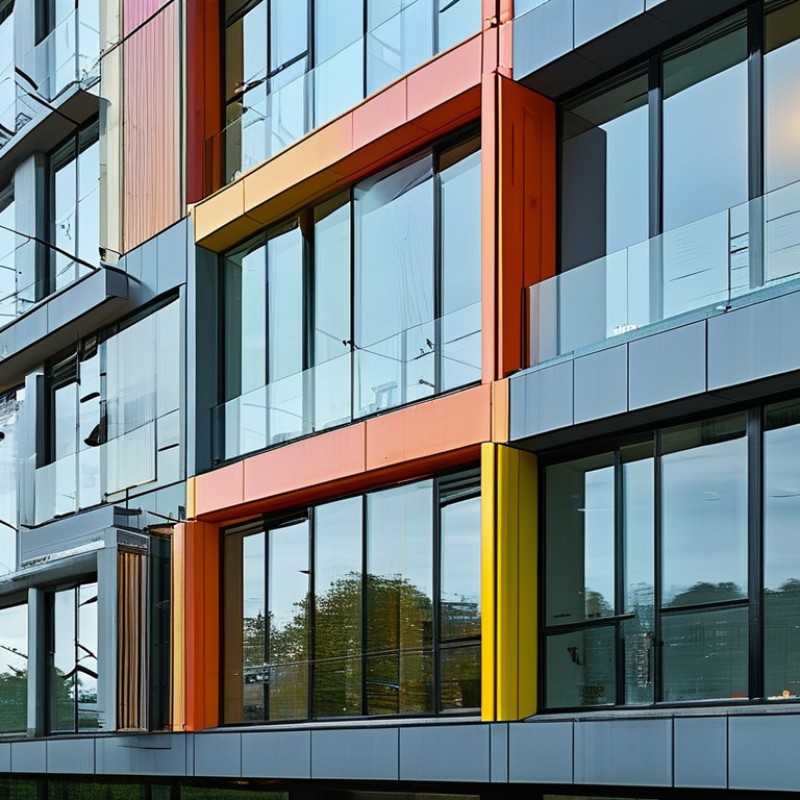
What Window Insulation Systems Are and Why They Matter in 2026
Window insulation systems combine glazing, frames, seals, spacers, and installation methods to reduce unwanted heat movement. In 2026, buyers should view them as complete assemblies, not just glass products. A double-glazed unit may use low-emissivity coatings, inert gas, and warm-edge spacers. Triple glazing adds another barrier, but it also increases weight and cost.
These systems matter because windows often become a building’s weakest thermal point. In winter, a poorly sealed frame can create a cold edge near the floor. In summer, strong sunlight can heat a room within minutes. Better insulation helps stabilize indoor temperatures, reduce heating and cooling demand, and limit condensation around the frame. Sound control may improve too, especially in dense urban areas. Yet performance depends heavily on installation quality. A high-rated window can still fail when the perimeter seal is uneven.
Global buyers should compare U-values, solar heat gain data, air leakage ratings, and climate suitability. Local exposure matters. A coastal building needs durable seals and corrosion-resistant components, while a cold continental project may prioritize low heat transfer. Field experience shows that specifications alone can mislead. Real openings are rarely perfect. Survey measurements, drainage details, and installer training deserve equal attention. Smart glazing and retrofit panels are becoming more practical, although their long-term maintenance remains less certain. No system performs perfectly in every climate.
2026 Top Window Insulation Systems for Global Buyers - What Window Insulation Systems Are and Why They Matter in 2026
| Insulation system | Typical construction | Typical whole-window U-value (W/m²·K) |
Approx. whole-window R-value (m²·K/W) |
Solar heat-gain coefficient (SHGC / g-value) |
Expected service life | Best-fit climate or use | Key purchasing considerations |
|---|---|---|---|---|---|---|---|
| Low-e double glazing | Two panes with a low-emissivity coating and sealed air or inert-gas cavity | 1.2–1.8 | 0.56–0.83 | 0.25–0.65 | 20–30 years | Temperate climates, renovations, and general residential construction | Verify spacer quality, edge-seal durability, gas-fill retention, and whole-window—not center-glass—performance. |
| Low-e triple glazing | Three panes with two insulated cavities and one or more low-emissivity coatings | 0.7–1.1 | 0.91–1.43 | 0.20–0.55 | 25–35 years | Cold climates, high-performance buildings, and low-energy housing | Higher weight, frame depth, and purchase cost require compatible hardware, structural design, and installation details. |
| Thermally broken metal frame | Metal frame separated by low-conductivity polyamide or composite thermal barriers | 1.3–2.5 | 0.40–0.77 | 0.25–0.60 | 30–50 years | Commercial buildings, coastal areas, large openings, and high-wind locations | Check thermal-break continuity, frame conductivity, condensation resistance, corrosion protection, and drainage design. |
| Insulated vinyl or polymer frame | Multi-chamber polymer profiles combined with double or triple insulating glass | 0.9–1.7 | 0.59–1.11 | 0.25–0.60 | 25–40 years | Residential projects in temperate, cold, and moderately humid climates | Assess profile reinforcement, color stability, dimensional movement, hardware capacity, and recyclability. |
| Insulated timber frame | Engineered or laminated wood frame with protective exterior finish and insulated glazing | 0.9–1.6 | 0.63–1.11 | 0.25–0.60 | 30–60 years | Cold and temperate climates, heritage-compatible construction, and low-carbon projects | Moisture management, coating maintenance, drainage, timber certification, and local installer expertise are critical. |
| Hybrid timber-metal frame | Timber interior frame combined with a weather-resistant exterior metal skin | 0.8–1.5 | 0.67–1.25 | 0.25–0.60 | 35–60 years | Cold, wet, or high-exposure climates where interior comfort and exterior durability are both priorities | Confirm compatibility between materials, thermal bridges at clips and fasteners, water drainage, and maintenance access. |
| Secondary internal glazing | Additional internal sash or panel installed behind an existing window, creating an air cavity | 1.4–2.2 | 0.45–0.71 | 0.25–0.65 | 15–30 years | Historic buildings, rental upgrades, noise-sensitive locations, and projects where exterior alteration is restricted | Measure cavity depth, control condensation, preserve ventilation where required, and maintain access to the original window. |
| Insulating window film or removable panel | Low-emissivity film or temporary transparent panel applied to the interior side of existing glazing | 2.0–3.0 | 0.33–0.50 | 0.25–0.70 | 3–15 years | Low-cost retrofit, temporary accommodation, seasonal use, and rapid energy-saving upgrades | Performance is strongly installation-dependent; check optical quality, adhesive durability, glass compatibility, and reversibility. |
Related Posts
-
Why Are Window Insulation Systems Essential for Energy Efficiency?
-
2026 Top Window Insulation Systems for Global Buyers?
-
2026 Best Window Insulation Systems for Optimal Energy Efficiency?
-
Best Window Insulation Systems for Energy Efficiency Today?
-

2026 How to Choose the Best Window Replacement Solutions for Your Home?
-

Top Residential Window Solutions for Modern Homes and Energy Efficiency