1800 84 90 84 sale@doornosh.com

Why Choose Window Upgrade Solutions for Global Projects?

Global building projects rarely fail because of one dramatic mistake. More often, small window decisions create larger problems. A frame may fit the drawing but perform poorly in coastal wind. Glass may reduce heat gain but increase glare inside a busy office. These details explain why window upgrade solutions deserve careful attention from architects, contractors, and facility owners.

Experienced project teams assess the existing structure before recommending replacement systems. They inspect frame conditions, drainage paths, sealant joints, and interior comfort complaints. They also compare thermal performance, acoustic control, daylight access, and maintenance needs. Local climate data matters. So do regional building standards, fire requirements, accessibility rules, and energy targets. A dependable supplier should provide test reports, installation guidance, material records, and realistic delivery schedules. Claims alone are not enough.

The strongest solutions balance performance with practical installation. They may include low-emissivity glazing, improved gaskets, thermally broken frames, or carefully designed shading. In occupied buildings, phased work can reduce dust, noise, and business disruption. Yet no system is perfect. A highly insulated window can still underperform after poor installation. A premium product may also exceed the project’s real needs. That is where honest review becomes valuable. Teams should measure, question, and adjust their decisions. With transparent coordination and verified technical evidence, window upgrade solutions can support safer, more comfortable, and more efficient buildings across diverse global markets. The details matter. Inspect them twice.
Why Choose Window Upgrade Solutions for Global Projects?

What Are Window Upgrade Solutions?

Window Upgrade Solutions: What Are They?

Window upgrade solutions are practical improvements made to existing windows, rather than complete replacements. They may include low-emissivity glass, secondary glazing, new gaskets, stronger frames, or improved locking hardware. The aim is to reduce heat transfer, outside noise, air leakage, and maintenance needs. That sounds simple. It is not.

In project assessments, specialists usually inspect frame condition, glass performance, drainage paths, and local weather exposure. A window that works well in a dry climate may fail in a coastal or freezing region. Installation details matter just as much as product specifications. Poor sealing can leave a narrow gap around the frame, where rain and cold air enter. Measuring twice helps. Still, measurements can be incomplete when old drawings are inaccurate.

For global projects, upgrade solutions allow teams to preserve usable structures while improving comfort and energy performance. Options can be adjusted to different building codes, labor conditions, and material availability. On occupied sites, phased installation may reduce disruption in offices, schools, or residential buildings. It also creates a clearer inspection process.

However, not every upgrade deserves approval. A heavier glass unit may overload an aging frame. A tighter seal may reveal hidden ventilation problems. This is where engineering review, documented testing, and honest limitations become essential. The best solution is not always the most advanced one. It is the one that fits the building, climate, budget, and people using the space.

Which Global Project Needs Do They Address?

Global projects rarely need “better windows” in the same way. They need practical responses to different climates, regulations, budgets, and building uses. The International Energy Agency’s Buildings 2023 report states that buildings consumed about 30% of global final energy in 2022. Window upgrades can reduce unwanted heat gain, heat loss, and air leakage. However, results depend on orientation, shading, installation quality, and commissioning. The glass alone cannot solve every problem.

Hot regions may require solar-control glazing, external shading, and durable seals against dust. Cold regions often need low-emissivity glazing, insulated frames, and careful thermal-bridge control. Coastal projects may prioritize corrosion resistance and water penetration testing. Urban developments may also need stronger acoustic performance. The World Health Organization’s Environmental Noise Guidelines identify road traffic as a major health concern, making sound reduction a practical design requirement rather than a luxury.

Existing buildings create another need: lower disruption. Reusing sound frames can reduce demolition, waste, and replacement time, while still improving thermal performance. UNEP’s 2023 Global Status Report notes that buildings and construction contribute about 37% of global energy-related and process-related carbon dioxide emissions. Yet this approach is not always suitable. Damaged substrates, irregular openings, or poor ventilation can limit the benefits. A reliable project plan should include surveys, climate-specific testing, local code checks, and post-installation inspection. Standardization helps control quality, but excessive standardization can ignore real site conditions. That is where experienced assessment matters.

Why Choose Window Upgrade Solutions for Global Projects? - Which Global Project Needs Do They Address?
Global Project Need Typical Project Context Window Upgrade Approach Relevant Performance Dimension Indicative Target or Verification Method Project Benefit
Lower operational energy use Commercial buildings, schools, hospitals, hotels, and multifamily housing with high heating or cooling loads. Use insulated glazing, low-emissivity coatings, thermally improved frames, warm-edge spacers, and properly sealed installation joints. Thermal transmittanceAir leakageSolar heat gain Specify whole-window U-value and SHGC according to the local energy code and climate zone; confirm through product testing and energy modelling. Reduces conductive heat transfer, unwanted solar gains, and heating or cooling demand.
Improved occupant comfort Buildings with cold interior glass, interior drafts, excessive radiant heat, or temperature differences near façades. Upgrade glazing and frames together, improve perimeter sealing, and address thermal bridges around the opening. Interior surface temperatureDraft controlThermal bridging Evaluate surface temperatures, air leakage, and condensation risk under design outdoor conditions. Creates more stable indoor temperatures and improves comfort near windows and façade zones.
Noise reduction Urban housing, offices, hotels, schools, and healthcare facilities near roads, railways, airports, or dense commercial areas. Use laminated acoustic glass, asymmetric insulating glass units, improved frame systems, and airtight installation details. STC / RwOITCAirtightness Select acoustic ratings based on the dominant noise spectrum and verify the complete window assembly rather than glass alone. Improves speech privacy, sleep quality, learning conditions, and workplace concentration.
Daylight and glare control Deep-plan offices, educational facilities, healthcare projects, and buildings with large glazed façades. Balance visible transmittance with solar-control coatings, shading devices, light shelves, or automated blinds. Visible transmittanceGlare riskDaylight autonomy Assess daylight, glare, and solar performance together using façade orientation and local sky conditions. Supports useful daylight while limiting visual discomfort and cooling penalties.
Condensation and moisture control Cold-climate projects, humid climates, high-occupancy buildings, and façades with recurring mould or water damage. Improve frame thermal breaks, edge-of-glass performance, drainage, air barriers, vapour control, and installation continuity. Condensation resistanceWater tightnessVapour control Check interior surface temperatures, dew-point conditions, water penetration, and interface details through design review and testing. Helps protect finishes, reduce moisture-related defects, and extend façade service life.
Weather resilience Coastal areas, hurricane- or typhoon-prone regions, high-wind locations, and projects exposed to wind-driven rain. Use tested impact-resistant or laminated glazing where required, reinforced frames, robust anchorage, and engineered drainage paths. Wind resistanceImpact resistanceWater penetration Design for the governing local wind speed, exposure category, impact requirement, and applicable building standards. Improves façade integrity and helps maintain weather protection during severe events.
Enhanced safety and security Ground-floor retail, public buildings, transport facilities, schools, and buildings requiring higher resistance to accidental impact or forced entry. Specify laminated safety glass, safety glazing markings, secure hardware, restrictors, and tested frame-to-wall connections. Human impact safetyForced-entry resistanceFall protection Match the assembly to local safety, guarding, and security requirements; verify the complete tested configuration. Reduces injury risk and strengthens protection of occupants and building assets.
Preservation of existing façades Historic buildings, occupied renovations, high-rise retrofits, and projects where façade replacement is restricted. Use replacement sashes, secondary glazing, interior storm windows, or carefully matched retrofit units with reversible detailing where appropriate. Visual compatibilityReversibilityInterface risk Review sightlines, frame proportions, colour, reveal depth, ventilation, and heritage requirements before selecting the retrofit method. Improves performance while limiting disruption, demolition, and changes to architectural character.
Reduced construction disruption Occupied offices, hospitals, schools, hotels, residential towers, and phased refurbishment programmes. Plan room-by-room installation, use prefabricated components where suitable, sequence works with occupants, and protect interior finishes. Installation timeAccess requirementsPhasing Compare replacement methods using opening size, floor access, protection requirements, crew productivity, and commissioning time. Supports phased delivery and helps maintain building operations during renovation.
Regulatory and sustainability compliance Projects pursuing local energy codes, green-building certifications, embodied-carbon targets, or public-sector performance requirements. Document thermal, solar, acoustic, safety, durability, and environmental attributes for the complete installed system. Energy code complianceLife-cycle impactProduct documentation Use project-specific calculations, environmental declarations where available, and test reports accepted by the authority having jurisdiction. Improves approval readiness, traceability, and long-term asset performance.
Note: Performance targets are project-specific. Final selections should be verified against the applicable local building code, climate data, façade design, installation conditions, and certified test documentation.

How Do They Improve Energy Efficiency and Comfort?

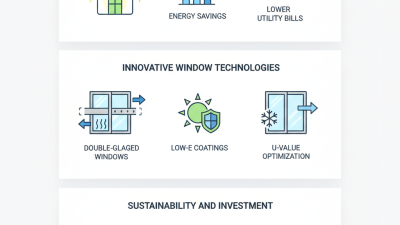
Window Upgrade Solutions can make global buildings more comfortable while reducing wasted energy. In practice, the improvement often starts with the window’s weakest points: old glass, loose seals, and poorly insulated frames. Replacing single glazing with low-emissivity double glazing can reduce heat transfer. Warm-edge spacers may also keep indoor glass surfaces less cold.

Comfort becomes noticeable near occupied areas. A sealed window can reduce cold drafts beside a desk or bed. It may also soften outside noise, especially in busy urban locations. During hot weather, solar-control glazing limits harsh sunlight and helps rooms stay cooler. The result is more stable indoor temperatures and less pressure on heating or cooling systems.

Details matter. Project teams should review climate data, window orientation, frame materials, and installation quality before selecting a solution. Thermal imaging can reveal cold bridges around the frame after installation. Air-leakage checks provide another practical measure of performance. Standards and local building requirements must guide the design, because one specification cannot suit every region.

No upgrade is perfect. Highly efficient glazing may reduce winter heat loss but limit useful sunlight in some rooms. Poor installation can also undermine expensive materials. Careful surveying, documented testing, and realistic performance targets make the result more dependable. A successful global project should improve comfort at the window, not merely report better figures on paper.

What Standards and Materials Support International Use?

Why Choose Window Upgrade Solutions for Global Projects?

International window projects demand more than attractive frames and clear glass. They require measurable performance across different climates, building codes, and installation conditions. Reliable suppliers should reference recognized standards, such as ISO, EN, ASTM, or local construction requirements. However, one standard cannot fit every market. Project teams must confirm air leakage, water resistance, wind load, thermal insulation, and acoustic targets before production.

Material selection also shapes long-term performance. Thermally broken aluminum supports strength and slimmer sightlines. uPVC can provide stable insulation in many residential applications. Laminated glass improves safety and reduces sound transmission, while tempered glass offers better resistance to thermal stress. Low-emissivity coatings help control indoor temperatures. Stainless steel hardware and EPDM gaskets are useful where moisture, salt, or repeated operation create pressure.

Details matter greatly. On a coastal site, untreated hardware may corrode sooner than expected. On a high-rise project, small installation gaps can weaken excellent laboratory results. Mock-up testing, accredited laboratory reports, batch traceability, and clear maintenance instructions improve confidence. We have also learned that specifications sometimes look complete but miss drainage design or local fixing methods. That deserves a second review. A dependable window upgrade solution combines tested materials, documented processes, and practical field experience, while allowing adjustments for each region’s climate and regulations.

How Are Window Upgrade Projects Planned and Delivered?

Why Choose Window Upgrade Solutions for Global Projects?

How Are Window Upgrade Projects Planned and Delivered?

Window upgrade projects begin with evidence, not assumptions. Experienced teams inspect frames, glazing, seals, drainage paths, and interior finishes. They record wind exposure, moisture damage, thermal performance, and occupant concerns. Local building codes also shape the design. A solution suitable for a coastal tower may fail in a cold inland school. Project managers should involve engineers, facility teams, installers, and residents early. Their feedback often reveals practical risks that drawings miss.

Delivery requires careful sequencing. Teams confirm measurements before ordering custom units. They review samples under real lighting, not only in meeting rooms. Materials are then scheduled around shipping limits, customs procedures, site access, and weather. Installation zones can reduce noise and protect occupied spaces. Inspectors check tolerances, fasteners, sealant joints, and water testing records. Digital reports improve accountability across time zones. Still, no plan is perfect. A hidden substrate defect or delayed shipment can change the sequence quickly.

Tips: Keep a room-by-room survey log. Photograph every unusual condition. Allow spare time for repairs and approvals. Test one representative window before wider installation. Avoid treating identical drawings as identical buildings. Small local differences matter.

Why Choose Window Upgrade Solutions for Global Projects?

How are window upgrade projects planned and delivered? A typical project is organized into clear stages so that existing conditions, performance targets, procurement, installation and quality assurance can be managed across different regions.

Planning reference: The timeline represents a practical delivery baseline for a multi-building window upgrade program. Surveying and design reduce installation risk, while procurement and quality control help maintain consistent performance across global project locations.