What Are the Top Home Window Systems in China?
Choosing the right home window systems in China requires more than comparing frame colors or advertised prices. Climate, building direction, noise levels, and installation quality can change the final result. A window facing a busy road needs different performance from one overlooking a quiet courtyard. Coastal homes may need stronger corrosion resistance. Northern apartments often require better thermal insulation.
This guide examines leading systems used in Chinese residential projects, including thermally broken aluminum, uPVC, aluminum-clad wood, and high-performance sliding designs. It considers frame strength, glass configuration, air tightness, water resistance, hardware durability, and professional installation. These details matter in daily life. A poorly adjusted sash may whistle during winter winds. Weak drainage can leave water along the inner sill after heavy rain.
No ranking is permanent. A premium profile can still fail when installation is careless. A lower-cost option may perform well in a mild climate. That is why reliable evaluation should combine manufacturer data, visible product quality, site measurements, and feedback from long-term users. Independent testing and compliance with applicable Chinese building requirements also deserve attention.
Some claims need closer examination. “Soundproof” does not mean silent, and “energy efficient” depends on the entire window assembly. This introduction leads into a practical comparison of China’s top home window systems, their suitable applications, limitations, and purchasing considerations. The best choice is rarely the most expensive one. It is the system that fits the home, climate, budget, and installation conditions with fewer surprises.

Types of Home Window Systems Commonly Used in China
What Are the Top Home Window Systems in China?
Homeowners in China commonly choose sliding, casement, tilt-and-turn, awning, and fixed window systems.
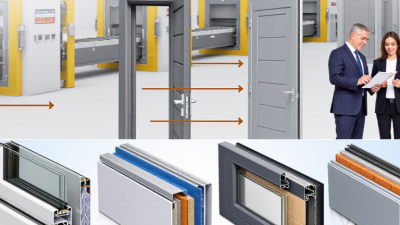
Sliding windows suit compact apartments because their sashes need no interior clearance. They are practical, but their overlapping tracks can reduce airtightness. Casement windows usually provide stronger sealing and ventilation control. Tilt-and-turn systems offer two opening positions, which helps during light rain or nighttime airing. Fixed windows add daylight but cannot support natural ventilation.
Material choice also matters.
Thermally broken aluminum frames are widely used in newer urban housing. They resist corrosion and support larger glass panels. uPVC frames can offer good insulation at a lower cost, although color stability and hardware quality require inspection. China’s Technical Code for Application of Building Glass recommends careful glass selection, especially for large panels and safety-critical locations. Frame depth, drainage holes, gasket compression, and installation accuracy often matter more than appearance.
The China Academy of Building Research’s 2024 annual report indicates that building-related energy use remains responsible for roughly one-fifth of China’s carbon emissions. This makes airtightness and solar control increasingly important. The IEA’s Buildings 2023 report also identifies windows as a significant pathway for heat gain and heat loss.
In practice, low-emissivity double glazing works well in many regions, while stronger solar-control glass may suit hot southern cities. No system wins everywhere. A heavily sealed window can still perform poorly when installers leave gaps around the frame.
That detail is easy to miss.
Key Features of China’s Leading Window System Designs
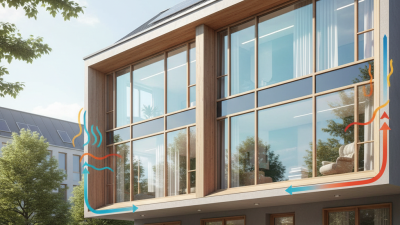
China’s leading window systems now focus on thermal control, airtightness, and weather resistance. The China Building Energy Consumption Annual Development Report 2024 identifies buildings as a major energy-consuming sector, making window performance increasingly important. A well-designed system can reduce heat transfer through thermally broken aluminum frames, multi-chamber profiles, and Low-E insulated glass.
High-performance designs often combine double or triple glazing with warm-edge spacers. These details limit indoor condensation near the frame. They also improve comfort beside large glass openings. The International Energy Agency reports that buildings remain responsible for about 30% of global energy demand. Window selection therefore affects both household comfort and operational costs. Airtight seals matter too. Poor installation can weaken excellent factory performance.
Leading Chinese systems are also adapting to regional conditions. Coastal projects need corrosion-resistant hardware and drainage channels. Northern buildings require stronger insulation and wind resistance. In hot southern cities, solar-control glass can reduce cooling loads, although excessive tinting may reduce natural daylight. China’s GB/T 8478-2020 standard provides technical requirements for building doors and windows, but compliance alone does not guarantee good installation. Site measurement, corner joints, and sealant quality still deserve careful inspection. No system wins every project. That is the uncomfortable part. Selection should follow climate, orientation, noise levels, and maintenance capacity, not appearance alone.
How Chinese Window Systems Compare in Energy Efficiency and Security
What Are the Top Home Window Systems in China?
China’s strongest home window systems usually combine thermally broken aluminum, insulated glazing, and precise sealing. High-performance designs often target Uw values between 1.0 and 1.6 W/m²K, depending on climate and glass selection. Lower values indicate better insulation. According to the International Energy Agency’s Energy Efficiency 2023 report, buildings remain responsible for about 30% of global final energy demand. Windows are small surfaces with large consequences.
In northern China, triple glazing can reduce indoor heat loss during long winters. In southern cities, low-emissivity glass and solar-control coatings help limit cooling loads. The U.S. Department of Energy reports that windows can account for 25–30% of residential heating and cooling energy use. Yet laboratory figures can flatter real performance. Poor installation, uneven frames, or compressed seals may create cold drafts beside a high-specification window.
Security depends on more than thick glass. Multi-point locking hardware, laminated inner panes, reinforced corners, and dependable frame anchoring matter during forced-entry testing. Chinese projects commonly reference GB/T 7106 for air, water, and wind performance, while EN 1627 resistance classes provide another comparison framework. The UNEP 2023 Global Status Report also stresses the importance of whole-building efficiency, not isolated components. A secure window should close smoothly, resist prying, and keep its seals intact after repeated daily use. Details matter.
Materials, Glass Options, and Hardware Used in Home Windows
China’s leading home window systems usually combine thermally broken aluminum, uPVC, or engineered wood-aluminum frames. Aluminum offers slim sightlines and strong resistance to humidity. uPVC improves insulation and reduces maintenance. Wood-aluminum systems feel warmer indoors, but they require tighter moisture control.
The 2024 Global Status Report for Buildings and Construction states that buildings used 32% of global energy and produced 34% of global carbon emissions in 2023. Window choices therefore need more than attractive profiles. Double glazing is common for moderate climates, while triple glazing suits cold northern regions or highly insulated homes. Low-emissivity coatings reduce radiant heat transfer. Argon filling can improve performance, although poor edge sealing weakens the benefit. A small sample corner matters.
Hardware includes stainless-steel hinges, multipoint locks, friction stays, rollers, and adjustable handles. In coastal homes, corrosion-resistant grades are safer than ordinary steel. Tilt-and-turn hardware supports ventilation, but sliding systems save space and may provide weaker airtightness. The China Academy of Building Research links window performance with thermal insulation, airtightness, water resistance, and wind-load capacity in national testing guidance. Buyers should request tested values, not only marketing claims.
On-site checks often find misaligned sashes, compressed seals, and drainage holes blocked by mortar. These details can ruin an otherwise advanced system. Installation tolerance should be measured around the entire frame. The best specification still fails when the wall connection is careless. I would also question extremely low prices; they may hide thinner profiles, weaker hardware, or incomplete testing.
How to Choose the Right Window System for a Chinese Home
Choosing a window system for a Chinese home starts with climate, not appearance.
Northern homes need strong insulation and airtight frames for cold winters. Southern homes need solar control, drainage, and resistance to humid air. In coastal cities, corrosion resistance deserves extra attention. Measure twice. Details matter.
The 2023 China Building Energy Consumption Annual Report indicates that buildings account for about 45% of national energy use when construction and materials are included.
This makes glazing and frame performance practical energy decisions. For cold regions, consider thermally broken aluminum frames with double or triple glazing. In hot regions, low-emissivity glass and appropriate solar heat gain control can reduce indoor heat. uPVC can provide good insulation, but its profile quality and reinforcement require careful inspection. Timber-aluminum systems feel warmer, although maintenance may be less convenient.
I once assumed a heavier frame always meant better quality.
That shortcut failed during a renovation review. Hardware alignment, gasket compression, drainage holes, and installation gaps mattered more than weight.
The International Energy Agency also identifies building efficiency as a major route for reducing energy demand, but laboratory ratings do not guarantee site performance. Ask for tested U-values, air-permeability results, and evidence based on China’s relevant standards.
Check corner joints physically. Avoid choosing only by price. A cheaper system may create drafts, condensation, or repeated repair costs. The right choice balances climate, orientation, noise, ventilation, budget, and installer skill.