Why Choose Window Technology Solutions for Energy Efficiency Benefits?
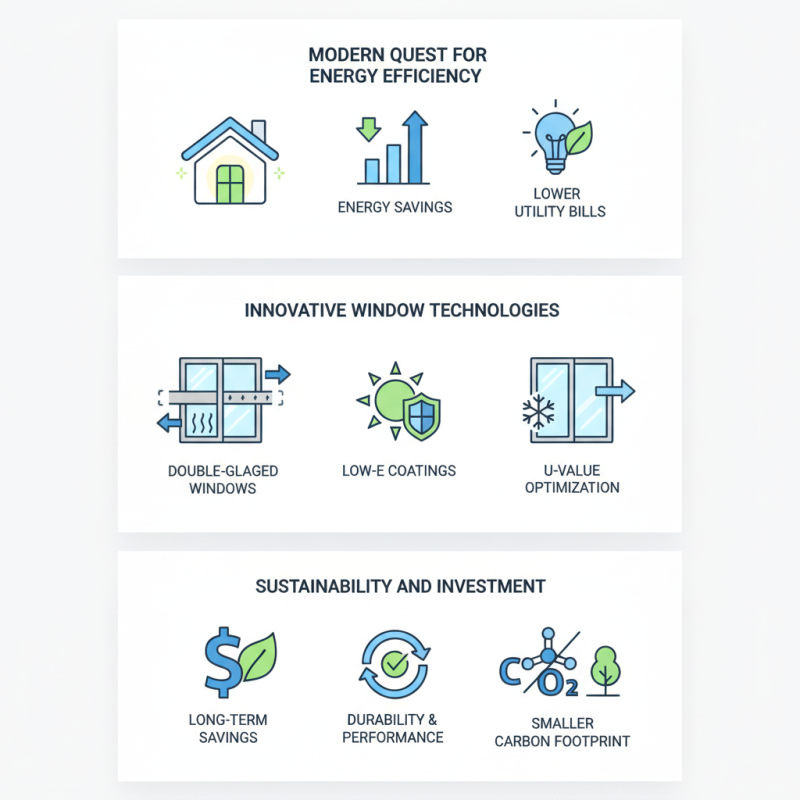
In the modern quest for energy efficiency, "window technology solutions" have emerged as pivotal. Renowned expert John T. Harris, a leader in sustainable architecture, states, “Innovative window technologies are key to reducing energy costs.” This insight emphasizes the impactful role windows play in our energy consumption.
Choosing the right window technology can enhance energy savings dramatically. For instance, double-glazed windows reduce heat loss significantly. These advancements can result in lower utility bills and a smaller carbon footprint. However, not all solutions are equal. Homeowners often grapple with the challenge of selecting the best products for their unique needs, and many overlook critical features.
Investing in window technology solutions is a step towards sustainability, yet it demands careful consideration. While energy-efficient windows can be costly upfront, the long-term savings are noteworthy. However, it’s essential to evaluate their performance and durability over time. Transitioning to these technologies can bring about both challenges and rewards in the journey towards energy-efficient living.
Benefits of Energy Efficiency in Buildings
Energy efficiency in buildings is critical for sustainable development. It reduces operating costs and minimizes environmental impact. Utilizing advanced window technology significantly contributes to these benefits. Better insulation prevents heat loss, reducing the need for heating and cooling.
Tip: Consider installing low-emissivity (Low-E) windows. They reflect heat back into your space during winter, keeping your home warm and comfortable. In summer, they block excessive sunlight, lowering air conditioning costs.
Enhanced energy efficiency also improves indoor air quality. Proper ventilation systems can work better with energy-efficient windows. This leads to healthier living spaces and increased productivity.
Tip: Regular maintenance of your windows can optimize performance. Check for drafts or damaged seals. Small fixes lead to big savings. Reflect on your choices; sometimes, older windows can be less effective than modern ones.
Energy Efficiency Benefits of Window Technology Solutions
This chart illustrates the various benefits associated with energy efficiency in buildings through window technology solutions. The data represents the estimated percentage impact of each benefit on overall energy efficiency gains.
Overview of Window Technology Solutions
Window technology solutions provide innovative ways to enhance energy efficiency in buildings. Advanced materials and designs minimize heat loss and glare. For instance, low-emissivity (Low-E) coatings help reflect heat while allowing natural light in. This balance reduces the need for artificial heating or cooling, leading to significant energy savings.
Moreover, triple-glazed windows add another layer of insulation. They improve thermal performance and reduce noise pollution significantly. The gap between panes is filled with inert gases, further enhancing insulation. However, installation costs can be higher than traditional options. Some may question the return on investment in such upgrades.
Additionally, smart window technologies offer dynamic solutions. These windows adapt to weather conditions, changing tint to block out excess heat or glare. But the technology can sometimes be finicky and may require maintenance. Homeowners must weigh these benefits against potential challenges before deciding. The right choices can lead to a more sustainable living environment.
Innovative Features of Energy-Efficient Windows
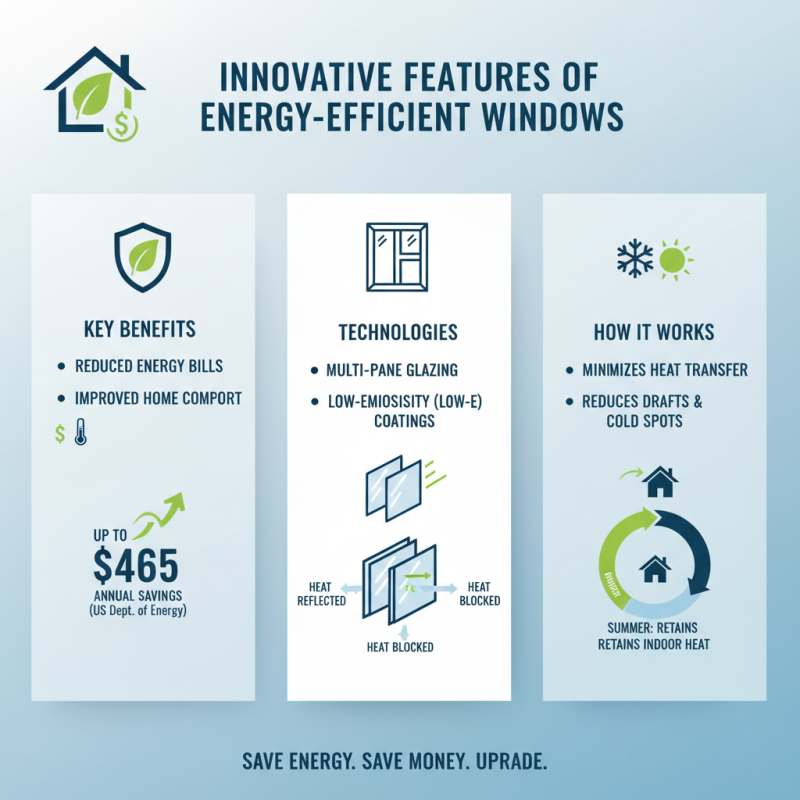
Energy-efficient windows are crucial for reducing energy consumption in homes. According to the U.S. Department of Energy, upgrading to energy-efficient windows can save homeowners up to $465 annually. This significant saving is largely due to advanced insulating technologies and low-emissivity coatings, which minimize heat transfer.
Modern energy-efficient windows come with innovative features. Multi-pane designs enhance insulation, while gas fills between panes offer superior thermal performance. For instance, argon and krypton gases provide better insulation than air. Furthermore, specialized coatings can reflect solar energy, keeping interiors cooler in summer. A recent study from the National Renewable Energy Laboratory shows that these features can cut energy costs by an additional 15%.
However, not all energy-efficient windows perform equally. Some products may underperform in specific climates or conditions. Homeowners should consider factors like local weather patterns and window orientation. Investing in energy-efficient windows requires careful evaluation. Details matter, and not all options may suit every home perfectly.
Cost Savings Through Enhanced Window Technology
Upgrading your windows with advanced technology offers significant cost savings. According to the U.S. Department of Energy, energy-efficient windows can reduce energy bills by up to 15%. This reduction is mainly due to improved insulation and solar control features. Enhanced window technologies, such as low-emissivity (Low-E) coatings and argon gas fills, can maximize energy savings.
Moreover, studies indicate that replacing old windows can yield a return on investment of approximately 70% to 80% upon home resale. This is an essential consideration for homeowners. Families can enjoy a more comfortable living environment while boosting property value. It’s important to evaluate the options carefully, as not all window upgrades offer the same benefits.
However, the initial cost of high-performance windows may raise concerns. The long-term savings often justify the upfront investment, but not every homeowner realizes this. Many may overlook the immediate advantages of improved insulation or reduced maintenance needs. Proper research and professional advice are crucial. By understanding the full benefits of enhanced window technology, homeowners can make informed decisions that lead to both comfort and financial savings.
Why Choose Window Technology Solutions for Energy Efficiency Benefits? - Cost Savings Through Enhanced Window Technology
| Window Type |
Energy Efficiency Rating |
Estimated Annual Savings ($) |
Lifecycle (years) |
Installation Cost ($) |
| Double Glazed |
U-Value: 1.2 |
250 |
20 |
500 |
| Triple Glazed |
U-Value: 0.6 |
350 |
25 |
900 |
| Low-E Coated |
U-Value: 1.0 |
300 |
15 |
600 |
| Gas-Filled |
U-Value: 0.8 |
280 |
20 |
700 |
Environmental Impact of Improved Window Insulation
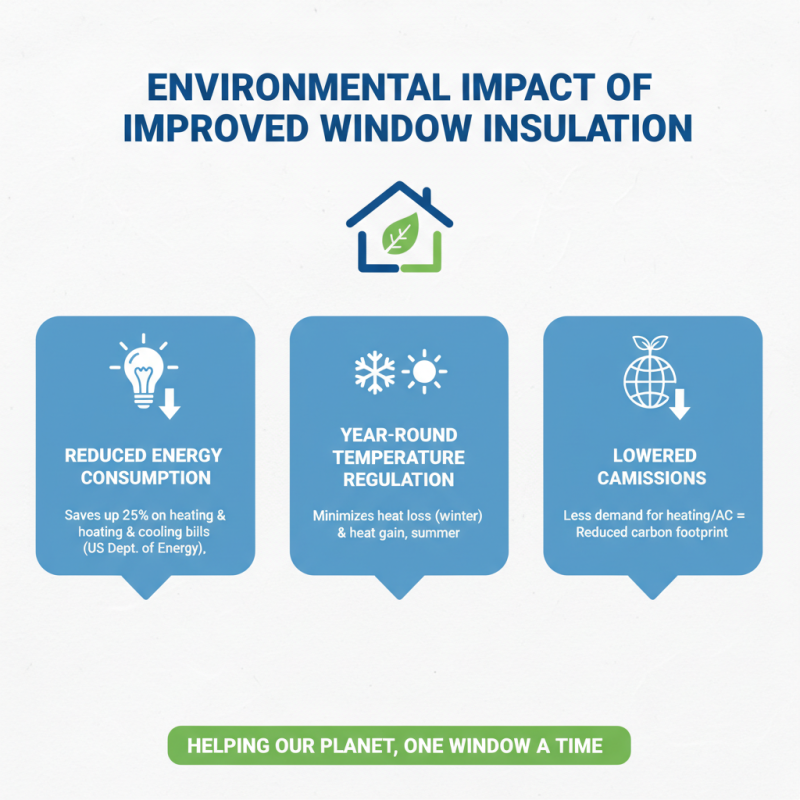
Improved window insulation significantly contributes to reducing energy consumption in buildings. According to the U.S. Department of Energy, efficient windows can save homeowners up to 25% on heating and cooling bills. When windows are designed with advanced insulation technology, they reduce heat loss in winter and heat gain in summer. This balance minimizes the need for heating and air conditioning, ultimately lowering carbon emissions.
Choosing energy-efficient windows not only cuts costs but also diminishes environmental impact. The International Energy Agency estimates that building energy use accounts for nearly 30% of global greenhouse gas emissions. By improving window insulation, buildings can play a key role in combating climate change. Enhanced insulation often involves multiple glazing techniques and low-emissivity coatings, which can further increase the energy performance of windows.
Tips: Regularly check your window seals for gaps. Proper sealing can prevent drafts. Consider using window film for additional insulation during colder months. Making these small changes can lead to noticeable energy savings.