What Are Thermal Insulation Windows?
Thermal insulation windows are designed to slow heat transfer between indoor and outdoor spaces. They often combine insulated glass, sealed edges, and frames that limit heat loss. Some have two panes; others have three, with a gas-filled space or low-emissivity coating between the glass. That space matters. On a cold morning, the inner pane may feel less chilly, and a room may hold warmth longer. Yet no window works alone.
To understand what thermal insulation windows can do, look beyond the product label. U-factor measures heat flow; lower values generally indicate better insulation. Compare ratings using the same standard, since labels can vary. Frame material, glass design, window orientation, shading, and installation all affect real-world performance. A poorly sealed opening can undermine expensive glazing. Small gaps matter. Homeowners should also consider daylight, condensation, solar heat gain, and local climate—not just advertised energy savings.
Good choices begin with the building itself. An experienced installer can assess existing frames, moisture conditions, and air leakage before recommending replacements. Ask for documented performance ratings and clear warranty terms. Still, estimates are not guarantees. Comfort also depends on heating systems, daily habits, and workmanship. Thermal insulation windows may reduce drafts and energy demand, but they cannot fix every cold room. That distinction is easy to overlook. Even careful advice has limits: a house behaves differently once weather and everyday use enter the picture.
Definition and Purpose of Thermal Insulation Windows
Thermal insulation windows are window assemblies designed to slow heat moving between indoors and outdoors. They typically combine two or more panes, a sealed gap, and frames that reduce heat conduction. Some include low-emissivity coatings that reflect radiant heat while allowing daylight through. The exact design varies. Their purpose is to help indoor temperatures stay more stable, not to stop heat transfer completely.
In winter, an insulated window can reduce warmth escaping through the glass and frame. In summer, it may limit incoming heat, especially when paired with suitable shading. This can improve comfort near a window and reduce heating or cooling demand. Results depend on climate, orientation, window size, and the rest of the building. Good installation matters. A narrow gap around the frame can let drafts bypass efficient glazing.
The term “thermal insulation window” describes a function, not one universal construction standard. Look at whole-window performance, since frames and seals affect heat flow too. Condensation may become less common on interior glass, but it is not guaranteed to disappear. Moisture, ventilation, and indoor humidity still matter. The label can sound definitive, perhaps more definitive than it should.
Key Components and Materials
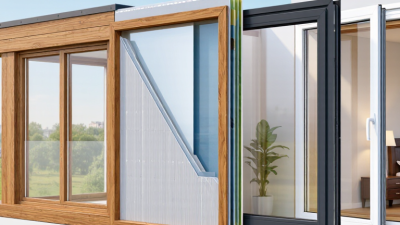
Thermal insulation windows work as assemblies, not as single panes. Most use double or triple glazing, with a sealed cavity between panes. The gap contains dry air or an insulating gas, often argon; some units use krypton in narrower spaces. Low-emissivity coatings are thin, nearly invisible layers that reflect heat while allowing daylight through. Their position matters, so product data should describe the glazing build-up and performance values. A warm-edge spacer separates the panes around the perimeter and can reduce heat loss near the glass edge.
Small detail.
Frames complete the system. uPVC and fiberglass limit heat flow, while wood insulates naturally but needs finish maintenance. Aluminum is durable, but it conducts heat unless a thermal break separates its inner and outer sections. Seals and hardware matter too: gaskets should meet evenly, and the sash should close without a draft. On a cold morning, moisture near the glass edge may reflect a weak thermal edge, high indoor humidity, or both; it is not a diagnosis by itself. I would compare whole-window U-factor, air-leakage ratings, and installation details, rather than relying only on center-of-glass figures. It is tempting to treat one rating as the answer, but that can oversimplify a real opening. Even good materials cannot compensate for gaps around the frame.
How Thermal Insulation Windows Reduce Heat Transfer
What Are Thermal Insulation Windows?
How Thermal Insulation Windows Reduce Heat Transfer
Thermal insulation windows slow heat flow between indoor and outdoor spaces. A double- or triple-pane unit traps still air or insulating gas between glass layers, reducing heat transfer by conduction and convection. Low-emissivity coatings reflect some radiant heat while allowing visible light through. Small details matter. The U.S. Department of Energy estimates that windows account for 25%–30% of residential heating and cooling energy use.
Performance depends on more than pane count. The National Fenestration Rating Council uses U-factor to indicate how quickly a window transfers heat; lower values mean better insulation. Its solar heat gain coefficient (SHGC) measures how much solar heat enters a home. The right balance depends on climate, orientation, and shade. In a cold room, a warm interior glass surface can also reduce the chilly downdraft near a window. Still, ratings cannot capture every installation flaw.
Tips: Compare U-factor and SHGC before choosing a window. Check the frame and spacers, too. Ask an installer how gaps will be sealed; even an efficient unit can underperform when air leaks around its edges. And remember, a low rating is not a complete answer for every home.
Common Types and Glazing Configurations
Thermal insulation depends on the whole window, not just the number of panes. Double glazing traps a layer of air or argon between panes; triple glazing adds another insulating cavity. Low-emissivity coatings reflect some heat while allowing daylight through. In cold climates, that can reduce heat loss, though added panes also increase weight and cost. More glass layers are not automatically better.
Glazing details matter. Warm-edge spacers reduce heat transfer around the glass perimeter, while frame materials and installation affect the finished window’s performance. Check the U-factor, which indicates heat flow, and the solar heat gain coefficient, which indicates how much solar heat enters. The U.S. Department of Energy’s Energy Saver guidance estimates that windows account for 25–30% of residential heating and cooling energy use. That is a broad national estimate, not a savings guarantee for every home.
A high-performance unit can still disappoint if it is poorly fitted or poorly matched to the climate. A sunny room may benefit from different solar-gain properties than a shaded one. Small details count. Compare certified ratings, inspect spacer and frame specifications, and consider condensation risk. It is easy to focus on the glass package alone; that can be a mistake.
What Are Thermal Insulation Windows? Common Types and Glazing Configurations
Thermal insulation windows reduce heat transfer through the glazing. This chart compares typical center-of-glass U-factors in W/m²·K; a lower value indicates better insulation. Actual whole-window performance varies with frame, spacer, size, and product design.
Performance Factors and Practical Limitations
What Are Thermal Insulation Windows?
Performance Factors and Practical Limitations
Thermal-insulation windows reduce heat flow through glazing, frames, and edge seals. Their performance depends on more than the glass. Low-emissivity coatings reflect some heat, while gas-filled spaces slow heat transfer. Multiple panes help, too. But a well-rated unit can still feel cold beside a poorly insulated frame.
The U.S. Department of Energy’s Energy Saver guidance estimates that windows account for 25–30% of residential heating and cooling energy use. That figure varies with climate, window area, and home condition. The National Fenestration Rating Council rates products by U-factor and solar heat gain coefficient (SHGC); lower U-factors generally mean less heat transfer. Ratings compare products under standardized conditions, not every real installation. Drafts around the frame, incorrect sizing, or shaded winter sun can change results. Small details matter.
Tips: Check both U-factor and SHGC for your climate, then inspect frame seals and installation quality. On a cold morning, feel near the sash and trim for drafts. A rating is useful, not a promise. Replacing sound windows may also cost more than sealing gaps or improving curtains, and that trade-off deserves a careful look.