2026 How to Choose the Best Window Replacement Solutions for Your Home?
Choosing the right window replacement solutions for your home is a significant decision. Windows play an essential role in your property's aesthetics, energy efficiency, and security. Selecting the best options can enhance your living space and provide a return on investment.
Consider the various materials available for window replacements. Wood, vinyl, and fiberglass each offer unique benefits and drawbacks. Homeowners may find themselves overwhelmed by choices. It's crucial to evaluate your specific needs. Additionally, think about the long-term maintenance and durability of these solutions. Energy-efficient windows can save you money on utility bills but may require a larger upfront investment.
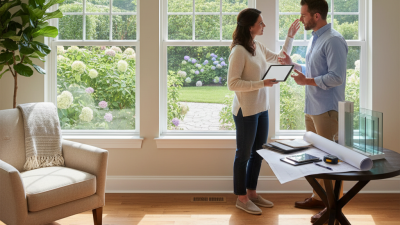
Consulting with professionals can offer valuable insights. Experienced contractors can guide you through the available window replacement solutions. However, it's essential to do your homework. Research varied options and check certified reviews. This approach can help you find a solution that truly fits your home and lifestyle. Remember to reflect on your priorities. Take your time and make an informed decision; the right windows can transform your home significantly.
Understanding Different Types of Window Replacement Options Available in 2026
When considering window replacements in 2026, understanding the types of options is crucial. Homeowners can choose from vinyl, wood, fiberglass, and aluminum windows. Each material has unique benefits and drawbacks. Vinyl windows are popular due to their cost-effectiveness and low maintenance. According to a recent industry report, approximately 60% of homeowners prefer vinyl for its durability and energy efficiency. However, they might lack the aesthetic appeal of wood, which enhances the beauty of a home but requires more upkeep.
Fiberglass windows are gaining traction in the market. They offer superior insulation and longevity. Research indicates that they can withstand extreme weather conditions better than most other materials. Yet, their
higher price point can be a drawback for budget-conscious homeowners. Aluminum windows provide strength and a slim profile, making them ideal for modern designs. However, they are less energy-efficient compared to other materials, which raises concerns in colder climates.
An increasing number of homeowners are considering sustainable options. Reports show that
eco-friendly materials are becoming more sought after. Despite the initial investment, these windows can lead to long-term savings through improved energy efficiency. Understanding these options enables homeowners to make informed decisions that suit their needs and preferences. Each choice carries its own set of challenges and benefits. Reflecting on these aspects is
essential for achieving optimal results in window replacement.
Evaluating Energy Efficiency Ratings and Their Impact on Home Savings
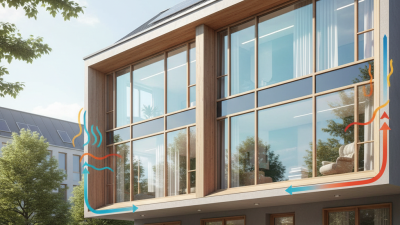
When considering window replacement, energy efficiency ratings are crucial. These ratings tell you how well a window can insulate your home. Look for windows with high R-values. A higher R-value means better insulation, leading to lower energy bills. Poorly insulated windows can cause increased heating and cooling costs. You may be losing money without even realizing it.
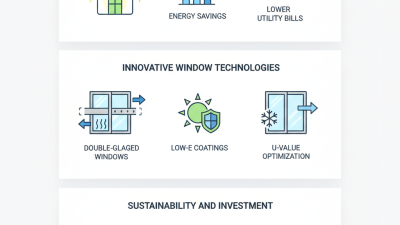
Energy Star labels are helpful for evaluating efficiency. These windows meet strict energy performance guidelines set by the government. However, not all windows with an Energy Star label are equal. Comparing the U-factor and solar heat gain coefficients helps you make more informed decisions. A higher U-factor signifies more heat transfer, which is less desirable.
Consider the long-term savings. Quality windows may have a higher upfront cost, but the savings add up. Lower energy bills can offset this investment over time. Installations also influence performance. Improper installation can negate any energy-saving benefits. Reach out to professionals to ensure your choices align with energy efficiency goals.
Assessing Aesthetic Choices: Design and Material Selection for Home Windows
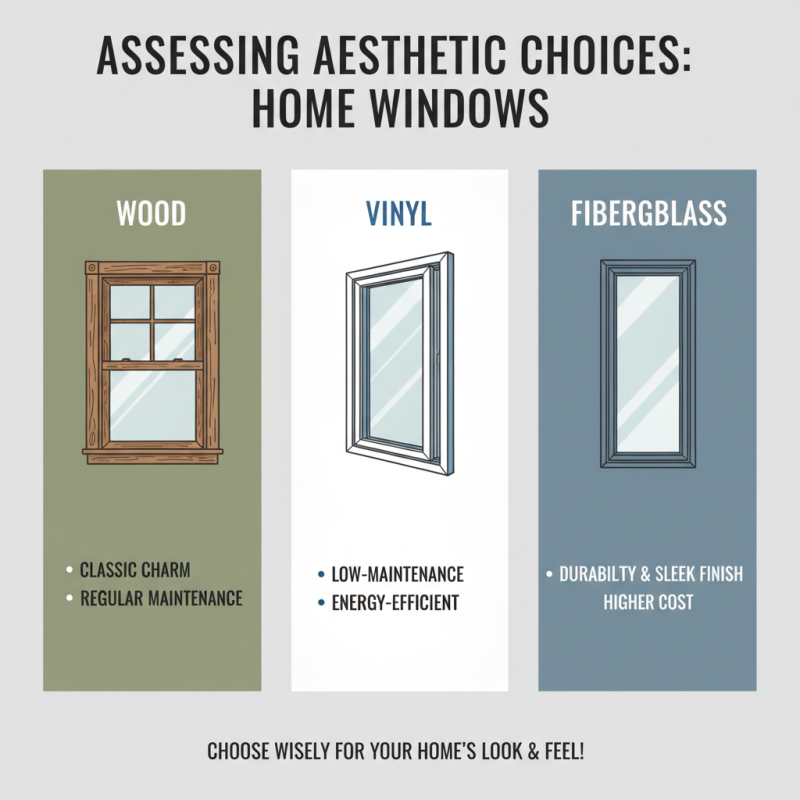
Choosing the right windows for your home is vital. The aesthetic appeal can dramatically alter the overall look. When considering materials, options like vinyl, wood, and fiberglass can each bring unique benefits. Wood offers a classic charm but requires regular maintenance. Vinyl windows are low-maintenance and energy-efficient, making them popular for many homeowners. Fiberglass combines durability with a sleek finish, but it may cost more.
Design choices are equally crucial. Traditional styles can evoke warmth and nostalgia. Modern designs often feature clean lines, adding a contemporary touch to your home. You should consider your home's architectural style when making selections. Experimenting with colors and finishes can also change the visual impact of your windows. Test samples in different lighting conditions to see how they truly look against your home.
Reflecting on these choices can uncover surprising insights. Did you prioritize aesthetics over functionality? Beautiful designs are not always the most efficient. The balance between form and function is essential. Adequate natural light versus privacy should also be factored in. It's easy to overlook these aspects during the decision-making process. Ultimately, thoughtful selections can enhance not just your home's beauty but also its value.
Calculating Cost vs. Value: Analyzing Window Replacement ROI
When considering window replacement, understanding the return on investment (ROI) is crucial. According to the "Remodeling 2023 Cost vs. Value Report," mid-range vinyl window replacements can yield an average of 67% ROI. This means that for every dollar spent, homeowners can expect to recover a significant portion in home value upon resale. Investing in energy-efficient windows may have a higher initial cost, yet they can also lead to long-term savings on energy bills.
However, the value isn't solely defined by numbers. Aesthetic appeal plays a critical role. Enhanced curb appeal can lead to quicker sales in a competitive market. Windows also contribute to energy efficiency, which aligns with increasing homeowner awareness of environmental sustainability. Yet, it's important to weigh the potential preferences of future buyers; preferences can vary regionally.
Data suggests that upgrades yielding less than 60% ROI may not be worth the investment. Homeowners should consider individual circumstances, including property location and market trends. Gathering insights from local real estate experts can further clarify potential outcomes. Choosing the best window solutions requires thoughtful analysis and alignment with overall home improvement goals.
2026 How to Choose the Best Window Replacement Solutions for Your Home? - Calculating Cost vs. Value: Analyzing Window Replacement ROI
| Window Type |
Average Cost ($) |
Energy Efficiency Rating |
Potential Energy Savings/Year ($) |
ROI (%) |
| Vinyl |
500 |
Energy Star |
150 |
22% |
| Wood |
800 |
Energy Star |
200 |
25% |
| Fiberglass |
900 |
Energy Star |
250 |
27% |
| Aluminum |
600 |
Not Rated |
100 |
17% |
The Importance of Professional Installation: Ensuring Longevity and Performance
When considering window replacement, the role of professional installation cannot be overstated. Proper installation ensures that your new windows perform at their best. Poorly installed windows may lead to drafts or leaks, resulting in higher energy costs. These issues can emerge regardless of the window quality you choose.
A skilled installer understands the nuances of your home’s architecture. They can customize the installation to fit your specific needs. This expertise is crucial. Without it, even the most advanced windows may fail to deliver their promised benefits.
It's easy to underestimate the installation phase. Many homeowners prioritize the type of glass or frame materials over who installs them. Yet, experience shows that installation errors can lead to numerous problems.
These might include moisture buildup, rotting frames, or frustrating maintenance issues over time. Investing in professional help ensures that your windows live up to their potential and provide comfort for years to come.