How to Choose the Best Sliding Window Systems in 2026
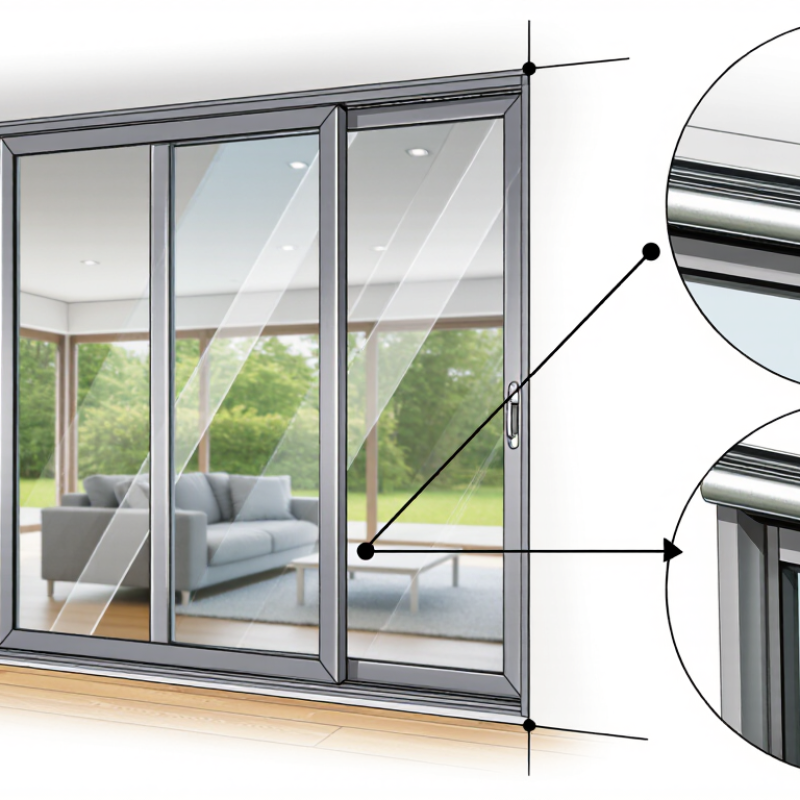
Choosing among sliding window systems in 2026 means looking beyond clean lines and showroom displays. The right choice should suit the opening, local weather, ventilation needs, and daily use. Measure the clear opening, check how much panel overlap remains, and test whether the handle feels comfortable. Small details matter. A wide glass panel can brighten a room, but it may also make cleaning harder. In exposed locations, ask about tested air, water, and wind performance—not just the frame material.
One useful buying principle is: “A sliding system should match the building, the climate, and the way people actually use the room.” [Add a verified fenestration expert’s name and source before publication.] No source was provided for an attributable expert quotation, so assigning this line to a real specialist would be misleading. That matters. Compare track design, rollers, seals, glazing, drainage, warranty terms, and replacement-part availability. Ask installers how they handle uneven openings and what maintenance the system needs after installation. A low threshold may ease access, yet it can require careful water management. There is no perfect choice for every project. Even strong specifications deserve a second look against real site conditions. This guide explains how to compare the options, spot trade-offs, and choose sliding window systems with evidence rather than appearance alone.
Define Performance Goals with NFRC U-Factor, SHGC, and VT Ratings
Choose sliding windows by setting comfort and energy goals before comparing products. NFRC ratings make those goals measurable. U-factor measures heat transfer; lower values generally mean better insulation. SHGC measures how much solar heat passes through the glazing. VT measures how much visible light enters, on a scale from 0 to 1. Lower is not always better.
A low SHGC can help limit afternoon heat in a sunlit room, while a higher VT can keep it bright. The trade-off is not always neat. The U.S. Department of Energy’s Energy Saver guidance estimates that heat gain and loss through windows account for 25%–30% of residential heating and cooling energy use. That makes the ratings worth checking against your home’s exposure, not just comparing in isolation. A west-facing opening with strong summer sun may need a different SHGC target than a shaded north-facing one.
Compare NFRC-certified ratings for the exact sliding-window configuration, including glazing and frame. Small differences matter. Check the label or NFRC Certified Products Directory, and note whether figures apply to the whole window or glass alone. For example, a bright living room may benefit from higher VT, while a draft-prone bedroom may prioritize a lower U-factor. Local climate and shading change the balance, so avoid choosing by one number. I would still verify the specification with the installer; ratings cannot capture every detail of the finished opening.
How to Choose the Best Sliding Window Systems in 2026
Define performance goals with NFRC U-factor, SHGC, and VT ratings
These example profiles illustrate how ratings can vary; they are not certified product data or universal recommendations. Lower U-factor means less heat transfer. SHGC measures how much solar heat enters, while VT measures how much visible daylight passes through. Compare NFRC-rated whole-window values, then choose targets suited to your climate, window orientation, and daylight needs.
Compare Frame Materials by Thermal Conductivity and Maintenance Needs
Aluminum frames are slim and resist swelling, but metal conducts heat quickly. On a cold morning, the inside frame can feel chilly unless it has a thermal break separating its inner and outer sections. That break helps, though frame performance still depends on glazing, seals, and installation. Cold edges matter.
Vinyl frames conduct less heat than aluminum and need little upkeep. A wipe with mild soap usually handles dust; check the drainage openings and weather seals occasionally. Fiberglass also offers low heat transfer and tends to hold its shape through temperature changes. Its finish may need attention over time, depending on exposure and coating. Wood has naturally low thermal conductivity and a warm, substantial feel, but exposed finishes need periodic inspection and repainting or sealing, especially after wet seasons.
There is no neat winner, and I would not pretend there is. Compare whole-window U-factors rather than choosing by frame material alone; ask whether the figure includes the glass and frame. Then consider the work you will actually do. If a ladder, peeling paint, or hard-to-reach tracks make upkeep unlikely, a lower-maintenance frame may suit your home better. If the opening faces harsh weather, inspect the sill and seals closely. Small installation gaps can undermine an otherwise efficient window.
How to Choose the Best Sliding Window Systems in 2026 - Compare Frame Materials by Thermal Conductivity and Maintenance Needs
| Frame material |
Typical material thermal conductivity
(W/m·K) |
Thermal performance considerations |
Typical maintenance needs |
Best suited to |
| uPVC |
About 0.17–0.20 |
Low material conductivity helps limit heat transfer. Multi-chamber profiles can improve insulation; whole-window performance also depends on glazing, seals, and frame design. |
Generally low. Clean with mild soapy water and check tracks, drainage openings, rollers, and weather seals periodically. Avoid abrasive cleaners. |
Buyers seeking low routine upkeep and a cost-conscious insulated frame. |
| Timber (wood) |
About 0.12–0.20 |
Usually low conductivity, but actual values vary with wood species, grain direction, and moisture content. Frame construction and glazing still affect the complete window’s performance. |
Needs more care: inspect coatings and joints, and repaint or reseal when the finish deteriorates. Keep drainage paths clear and address moisture damage promptly. |
Projects prioritizing a natural appearance, repairability, and strong insulation potential. |
| Fiberglass composite |
About 0.3–0.5 |
The composite conducts heat far less readily than aluminum. Insulation varies with profile design and reinforcement; compare certified whole-window ratings rather than material conductivity alone. |
Usually low. Wash periodically, keep tracks and drainage openings clear, and inspect moving hardware and seals. Painted finishes may need touch-ups over time. |
Buyers looking for dimensional stability, low upkeep, and good thermal performance. |
| Aluminum with a thermal break |
Aluminum: about 160–205; thermal-break material is typically much lower |
The insulating separator reduces heat flow through the frame compared with non-thermally-broken aluminum. Performance depends on break design, frame geometry, glazing, and installation. |
Generally low. Clean the frame and tracks, check drainage openings, and inspect seals, rollers, and hardware. Repair damaged coatings to help protect the finish. |
Larger openings and contemporary designs where strength and slim sightlines matter. |
| Non-thermally-broken aluminum |
About 160–205 |
High conductivity allows heat to pass readily through the frame, which can reduce comfort and increase condensation risk in cold conditions. Check suitability for the local climate and building requirements. |
Generally low. Keep tracks and drainage openings clear and inspect hardware and seals. Maintain the finish according to the coating manufacturer’s care instructions. |
Mild climates or applications where frame insulation is a lower priority. |
Note: Conductivity figures are approximate material-level ranges, not whole-window ratings. Actual values vary by formulation, product design, and test conditions. For a fair comparison, review certified whole-window U-factors or equivalent local ratings, air-leakage performance, glazing specifications, and installation details.
Assess Sliding Hardware Using AAMA/WDMA/CSA 101 Performance Classes
How to Choose the Best Sliding Window Systems in 2026
The AAMA/WDMA/CSA 101 standard helps compare window systems through performance classes and grades. Classes such as LC, R, CW, and AW reflect different intended applications and performance demands. They are not a simple ranking of “good” to “best.” Choose based on the building, exposure, and expected use—not the label alone. A coastal opening facing driving rain has different demands from a sheltered bedroom window.
Tip: Request the product’s class, performance grade, and test documentation. Check that the listed size and configuration match your plans. A tested two-panel unit may not represent a wider custom opening.
Sliding hardware matters, but the rating applies to the tested window system, not a handle or roller in isolation. Ask how the track, rollers, locks, frame, and glazing work together under air, water, and structural testing. Installation also matters; a strong system can underperform if the sill is poorly supported or drainage paths are blocked. One detail is easy to overlook: frequent use can expose rough operation before visible damage appears. Check sample units for smooth travel and secure locking, too. Performance classes guide selection, but they do not replace project-specific review.
Check Air Leakage and Water Resistance Under ASTM E283 and E547
In 2026, compare sliding window systems by test evidence, not frame labels.
ASTM E283 measures air leakage through a complete window at a stated pressure difference. ASTM E547 tests water resistance using repeated water spray and pressure cycles. Ask for reports that identify the specimen size, sash configuration, test pressure, and measured leakage. A small sample may not represent a wide patio unit with meeting rails and multiple rollers.
Small details matter.
The U.S. Department of Energy’s Energy Saver guidance estimates that windows account for about 25–30% of residential heating and cooling energy use. That makes leakage worth checking, but a lab result alone cannot predict whole-home energy savings. For E283, compare results reported with matching units and test pressures; lower leakage is generally preferable. For E547, check the tested pressure and whether water reached the interior during cycling.
Reports can be dense. Ask whether drainage channels cleared water and whether seals remained intact. A passing test does not guarantee field performance: installation, wind exposure, and worn weatherstripping can change results.
Still, even a detailed report may leave a blind spot if it omits the exact configuration you plan to install.
Select Glazing by NFRC Ratings for Energy Use, Daylight, and Condensation Risk
For sliding windows, choose glazing from NFRC ratings, not from glass appearance alone. The U.S. Department of Energy’s Energy Saver guidance estimates that windows account for 25%–30% of residential heating and cooling energy use. That makes the glass choice consequential. A low U-factor slows heat transfer; a suitable solar heat gain coefficient (SHGC) can limit unwanted summer heat while retaining useful winter sun.
Compare the whole-window NFRC values, not center-of-glass figures. NFRC ratings use standardized methods, helping you compare products on consistent terms. Visible transmittance indicates how much daylight enters: a higher value may brighten a dim kitchen, but can also increase glare on a glossy countertop. Climate and orientation matter. South- and west-facing sliders may need different SHGC choices than shaded, north-facing openings.
Condensation deserves a separate check. NFRC U-factor helps indicate heat loss, but it does not, by itself, predict moisture at every frame edge. Warm, humid indoor air can meet cold glass near the spacer or sill. Look for complete-product performance information, sound drainage details, and careful installation. DOE guidance supports the energy case; the final choice still depends on local conditions. I would not treat one rating as a guarantee. A well-rated window can disappoint if the frame leaks or the opening is poorly sealed.