Why Choose Energy Efficient Doors for Your Home?
When considering home improvements, energy efficient doors often come to mind. These doors serve as crucial barriers between your indoor environment and the outside world. They play a significant role in regulating temperature, reducing energy costs, and enhancing comfort.
Many homeowners overlook the impact of door selection. Energy efficient doors not only keep warmth in during winter but also maintain cool air in summer. This simple choice can lead to significant savings on energy bills over time. Some might question if the investment is worth it. However, the long-term benefits and increased home value speak for themselves.
Choosing the right door can feel overwhelming. There are various materials, styles, and features to consider. Each option offers different levels of efficiency and aesthetics. Reflecting on your specific needs and circumstances can help you make a more informed decision. Making errors in this choice can lead to unnecessary expenses, and the wrong door may not deliver the desired results. It is essential to weigh your options carefully.
Benefits of Energy Efficient Doors for Homeowners
Energy efficient doors offer significant benefits for homeowners. They help maintain a stable indoor temperature, reducing the need for excessive heating and cooling. This can lead to lower energy bills over time. Installing these doors can also improve your home’s overall comfort. A well-insulated door prevents drafts and creates a cozy atmosphere.
In addition to energy savings, energy efficient doors enhance home value. Potential buyers often look for features that lower future costs. A home with quality doors stands out in the market. Furthermore, these doors are designed to be durable. They resist wear and tear, saving you from frequent replacements.
However, not all energy efficient doors are created equal. Some may have a higher upfront cost. Homeowners should carefully assess their options. Consider factors like material, insulation, and design. Each choice impacts performance. Take time to research and reflect on what suits your needs best.
Understanding Energy Efficiency Ratings in Doors
When considering energy-efficient doors for your home, understanding energy efficiency ratings is crucial. These ratings help determine how much energy a door can save over time. The Federal Energy Management Program states that well-insulated doors can reduce heat loss by up to 80%. This can significantly lower your heating bills and improve indoor comfort.
Tips: Look for doors with a low U-factor, which measures thermal transmittance. A U-factor below 0.30 is often recommended for energy efficiency. Additionally, consider doors with Energy Star certification; these products meet strict energy-saving guidelines.
Choosing doors designed with multiple layers of insulation can also enhance efficiency. In fact, doors made with foam insulation can provide a thermal resistance rating (R-value) between 8 and 14. However, not all doors labeled as energy-efficient perform the same. It’s essential to verify manufacturer claims with third-party testing results.
Remember, poorly installed doors can compromise energy efficiency. A professional installation ensures proper sealing and alignment, minimizing drafts. Certainty in your door's performance requires diligence and a critical eye toward product specifications.
Types of Energy Efficient Doors Available on the Market
Energy-efficient doors are essential for modern homes. They help reduce energy costs and improve comfort. There are various types of energy-efficient doors available on the market, each with unique features.
One popular type is fiberglass doors. They mimic the look of wood but offer superior insulation. They resist warping and cracking, ensuring longevity. Steel doors are another option. They are robust, durable, and offer excellent energy savings when properly insulated. However, they can be heavy and may dent easily.
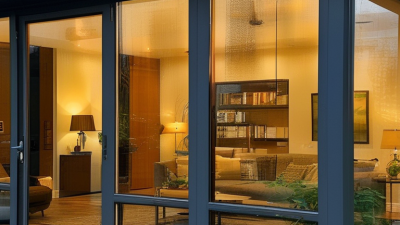
Sliding glass doors provide a stylish way to connect indoor and outdoor spaces. Double glazing in these doors enhances thermal performance. However, they can lose efficiency if the seals fail. Ultimately, it’s vital to consider your climate and specific needs when selecting a door. Balancing aesthetic appeal with functionality is key. Energy efficiency shouldn’t come at the cost of style, so thoughtful choices matter.
Cost Savings from Installing Energy Efficient Doors
Installing energy-efficient doors can significantly reduce your home’s energy bills. These doors are designed to minimize heat loss during winter and keep your home cool in summer. By effectively insulating your home, they can lead to savings on heating and cooling costs. Many homeowners notice a difference within the first few months after installation.
Another key benefit is the financial incentive offered by long-term savings. While the initial cost of energy-efficient doors may seem higher, the reduction in energy expenses often offsets this. Homeowners may save up to 20% on their energy bills annually. This can lead to substantial yearly savings, especially for larger homes. However, some may hesitate due to these upfront costs. It's important to consider the long-term benefits and return on investment.
Choosing energy-efficient doors can also contribute to comfort. They help in maintaining a consistent temperature inside your home. Drafts and hot spots are often reduced, leading to a more pleasant living environment. However, details in installation can impact effectiveness. Ensuring proper fitting and sealing is essential. Even minor gaps can diminish the performance of these doors.
Environmental Impact of Choosing Energy Efficient Doors
When considering home improvements, energy-efficient doors stand out for their environmental benefits. These doors are designed to minimize energy loss, which can reduce your carbon footprint significantly. By using high-quality materials and insulation, they help keep your home warm in winter and cool in summer. This means less reliance on heating and cooling systems, which can be harmful to the environment.
The impact of energy-efficient doors goes beyond personal comfort. They contribute to a larger movement toward sustainability. Each installation can lead to measurable reductions in energy consumption. However, not everyone considers this when choosing doors for their homes. Some may overlook how these choices rippling out affect the planet. It’s easy to think about cost, but the environmental cost of traditional doors can be steep. Reflecting on these choices is crucial for fostering a greener future.
Many homeowners might hesitate due to higher initial costs. Yet, the long-term savings on energy bills often outweigh those costs. The investment in energy-efficient doors can lead to better insulation and lower utility expenses over time. Awareness of these facts is imperative in making informed choices for both our homes and the environment.