How to Choose the Best Soundproof Windows for Your Home?
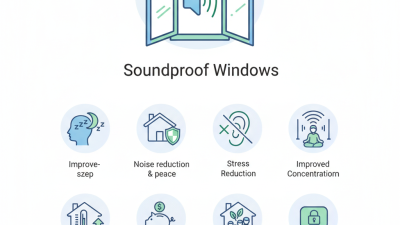
Choosing the best soundproof windows for your home can significantly enhance your living environment. According to the Soundproofing Company, noise pollution can lead to increased stress levels and reduced productivity. They report that soundproof windows can reduce outside noise by up to 95%. This massive reduction can transform a noisy street into a peaceful retreat.
Expert Jonathan Heller, a consultant in the soundproofing industry, emphasizes, “The right soundproof windows can create a sanctuary within your home.” His insight underscores the importance of selecting windows that not only fit your style but also meet sound attenuation standards.
While many options exist, it is crucial to consider factors like material, thickness, and installation quality. A common misconception is that all double-glazed windows provide the same sound insulation. In reality, not all products are created equal. Consumers must research and reflect on their specific needs to avoid poor decisions. High-quality soundproof windows can be an investment worth making, but understanding the industry is vital to ensure you buy the best product.
Understanding the Basics of Soundproof Windows
Soundproof windows serve as an effective barrier against external noise. They are pivotal for maintaining a peaceful home environment. According to the Acoustical Society of America, noise pollution can negatively impact health and well-being. This highlights the need for soundproof windows, which can reduce noise levels by up to 95% when installed correctly.
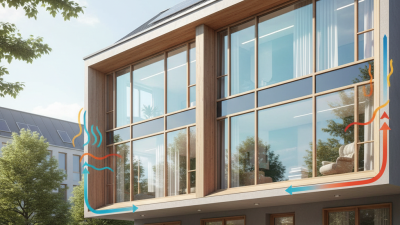
Understanding the structure of soundproof windows is crucial. They typically feature multiple panes of glass, sealed with air or gas between them. This design minimizes sound transmission. A study from the National Institute of Health reveals that windows with a thickness variation of 3 mm can significantly improve sound insulation. However, homeowners must consider frame materials and installation quality. Poor installation can lead to gaps that allow sound to penetrate, defeating the purpose of soundproofing.
The decision process requires careful consideration of local noise levels and personal needs. Not all soundproof windows fit every situation. For instance, urban areas may require more robust solutions than suburban settings. Additionally, potential reflectivity of sound can sometimes lead to unexpected acoustic issues. Being aware of these nuances is essential for making an informed choice, as not every window option will yield the desired results.
Identifying Your Noise Reduction Needs and Goals
Choosing the best soundproof windows for your home starts with understanding your noise reduction needs. Different environments require different solutions. For instance, studies show that urban areas can experience noise levels exceeding 85 decibels. This constant exposure can affect your quality of life. Ask yourself: What specific noises disturb your peace?
Consider the types of sounds you hear. Are they high-frequency noises like traffic or low-frequency sounds from construction? Each type can require distinct window features. A report by the National Institute of Health indicates that soundproofing can lower perceived noise by 25-50%. This level of reduction can significantly enhance your living space, making it quieter and more enjoyable.
Let's think about your goals. Are you looking for everyday comfort or do you need serious sound insulation? Not all solutions are perfect. Some materials might be too thick or heavy, complicating installation. They could also strain your budget. Weighing these factors will guide you in making informed decisions. Your lifestyle should dictate the balance between aesthetics and function.
Noise Reduction Performance of Different Window Types
Exploring Different Types of Soundproof Windows
When exploring different types of soundproof windows, it's essential to consider their construction.
Double and triple-pane windows are popular choices. They consist of multiple layers of glass that trap air between them.
This air acts as an insulator, reducing outside noise. The thickness of the glass also plays a significant role.
Thicker glass creates a barrier that further minimizes sound transmission.
Another option is laminated windows. These windows have a plastic interlayer between two glass panes.
This design not only reduces noise but also offers added protection against breakage.
Homeowners often overlook the importance of proper installation.
Gaps and poor sealing can compromise the effectiveness of any soundproof window.
Quality installation ensures the windows perform as intended, blocking unwanted noise effectively.
Choosing the right soundproof window requires careful consideration.
It's important to weigh the pros and cons of each type.
Some may find laminated windows more aesthetically pleasing, while others might prioritize durability.
Evaluating your particular environment can influence your decision.
Reflecting on these details will help ensure you select the best soundproof solution for your home.
Evaluating Material Options for Soundproofing Efficiency
When choosing windows for soundproofing, material options play a critical role. According to the Acoustical Society of America, glass thickness can significantly improve sound reduction. Generally, windows with varying glass thickness can reduce noise transmission by up to 30%. A combination of double or triple glazing can enhance this effect, especially when different thicknesses are used together.
Another vital factor is the frame material. Vinyl frames often provide better insulation than wood or aluminum. Research indicates that vinyl windows can cut outside noise levels by about 25% more than traditional wood frames due to their tighter seals. However, some acoustic experts suggest that even the best materials can be ineffective if the installation is flawed. Proper sealing is crucial, as gaps can allow sound to seep through, diminishing the intended soundproofing benefits.
Additionally, window design contributes significantly. Laminated glass, for instance, has a special layer that absorbs sound, making it an excellent option. A study by the National Institute of Standards and Technology found that laminated windows can reduce sound levels by around 50% compared to standard glass. Selecting the right materials and ensuring expert installation are essential for achieving desired soundproofing in your home.
Assessing Installation Methods and Professional Services
When selecting soundproof windows, installation methods are crucial. Professional installation can significantly impact performance. A study by the National Institute of Standards and Technology notes that proper sealing improves acoustic insulation by up to 30%. Many homeowners prefer full-frame installation for enhanced results. This method replaces the entire window and frame, ensuring optimal soundproofing.
DIY installation is tempting. However, it carries risks. A poorly installed window can allow sound leaks, counteracting the benefits. Industry experts suggest enlisting professionals who understand acoustic principles. Expertise can make a difference in controlling noise. Consultations can reveal if modifications are needed for your specific situation.
Reports indicate that high-quality soundproof windows installed incorrectly lose up to 50% of their efficacy. Consider the attributes of your home. Factors like wall thickness and existing window type play roles. Ensure your service provider has experience with soundproofing. Quality references and reviews are essential. Trusting skilled professionals can lead to substantial improvements in your living environment.