Top Awning Window Systems for 2026 What to Consider?
As the demand for energy-efficient homes grows, choosing the right awning window systems becomes crucial. Industry expert Sarah Thompson, a renowned architect specializing in sustainable designs, states, "The right windows can transform a space, enhancing light and airflow." In 2026, it’s more important than ever to consider various factors when selecting awning window systems.
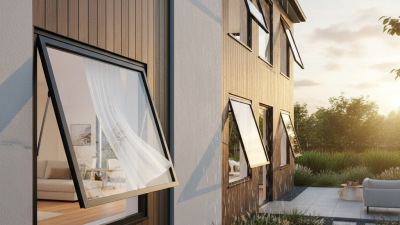
Awning windows are praised for their unique design and functionality. They open outward, creating a shield against the rain while allowing fresh air to flow in. This feature makes them ideal for homes in diverse climates. However, not all systems meet the same standard. Some may be less durable than advertised or lack proper insulation. It is essential to evaluate the materials used and the manufacturer’s reputation.
While many homeowners are drawn to aesthetics, functionality should not be overlooked. The performance of awning window systems significantly affects energy efficiency and overall comfort. Balancing design with practicality is key. Reflections on past choices can lead to better decisions moving forward. Investing time in research can ensure a more satisfying long-term outcome with awning window systems.
Top Awning Window Systems for 2026: Features to Look For
When considering the top awning window systems for 2026, several key features stand out. The most significant factor is energy efficiency. According to industry reports, windows can account for up to 25% of a home's energy loss. Choosing systems with high-performance glazing can significantly reduce this loss. Advanced low-E coatings and argon gas-filled spaces are becoming industry standards, enhancing thermal performance and reducing heating and cooling costs.
Another essential aspect is ventilation capability. Awning windows provide excellent airflow while protecting your space from rain. This is particularly valuable in regions prone to storms. Research indicates that well-ventilated spaces improve indoor air quality, which is linked to better health outcomes. Features like automated openings can add to convenience and functionality, though they may require careful consideration of maintenance needs.
Aesthetics also play a crucial role in the decision-making process. Many homeowners seek customizable designs that complement their architecture. However, it’s important to reflect on the trade-offs between style and sustainability. Some fashionable options may lack durability or energy efficiency. Balancing visual appeal with practical performance is crucial for long-term satisfaction. As trends evolve, staying informed about advancements in materials and technologies will guide informed choices in window systems.
Energy Efficiency in Awning Windows: Key Metrics and Ratings
When considering awning windows for energy efficiency, it’s essential to look at key metrics and ratings. These windows open outward from the bottom, allowing effective airflow and natural light. They provide excellent ventilation while minimizing heat loss during colder months. One important metric is the U-factor, which measures heat transfer. A lower U-factor indicates better insulation.
Another crucial rating is the Solar Heat Gain Coefficient (SHGC). This measures how much solar radiation enters a home. A lower SHGC is preferable in warmer climates, reducing cooling costs. Look for windows that are certified for energy efficiency. This ensures they meet specific performance standards.
A common mistake is focusing solely on aesthetics rather than energy ratings. While style is important, it should not overshadow energy efficiency. It’s easy to overlook long-term savings for short-term appeal. Always consider your local climate and the window’s thermal performance. Balancing functionality with design can enhance comfort and savings in the long run.
Durability and Maintenance of Awning Window Systems
When considering awning window systems, durability and maintenance are crucial factors. These windows are designed for longevity, often utilizing materials like aluminum or vinyl, which resist rust and corrosion. High-quality frames provide excellent structural integrity, ensuring they withstand harsh weather. However, regular maintenance is still essential. Even durable materials need cleaning to prevent debris buildup.
Inspect seals and hinges periodically. A small issue can lead to bigger problems if neglected. It may seem tedious, but attention to detail pays off. Routine checks prolong the life of your windows. Consider the installation process as well. Properly installed windows minimize maintenance needs, reducing potential wear and tear.
While the initial cost may be higher for premium options, the long-term savings in maintenance are significant. Investing in good quality pays off over time. We need to reflect on our choices, balancing cost with durability. Understand that even the best systems require some upkeep. By choosing wisely and staying proactive, you’ll enjoy the benefits of awning windows for years.
Top Awning Window Systems for 2026 What to Consider? - Durability and Maintenance of Awning Window Systems
| Window System |
Material |
Durability Rating |
Maintenance Level |
Energy Efficiency |
| A1 Awning System |
Aluminum |
High |
Low |
Excellent |
| B2 Awning System |
Vinyl |
Medium |
Medium |
Good |
| C3 Awning System |
Wood |
Low |
High |
Fair |
| D4 Awning System |
Fiberglass |
Very High |
Low |
Excellent |
| E5 Awning System |
Composite |
High |
Medium |
Very Good |
Aesthetic Considerations for Awning Window Designs
Awning windows are becoming increasingly popular for modern homes. Their design is not just functional; it also plays a crucial role in aesthetics. A well-designed awning window can enhance the beauty of any room. The way light enters through these windows can create a unique ambiance, transforming a dull space into something special.
When considering the aesthetic aspects, size and frame color matter. Larger windows create a more open feel, while a sleek frame can add an elegant touch. Various materials, such as wood or aluminum, each bring their own style. A wooden frame offers warmth, while aluminum provides a contemporary edge. The choice of finish can also influence the overall look. Subtle hues can blend with your home, while bold colors can make a statement.
However, the challenge lies in balancing beauty with practicality. Not every design will suit every home. Disproportionately large windows may overwhelm a small space. Similarly, ornate designs might clash with minimalist décor. It's essential to reflect on how the window fits within the home’s overall aesthetic before making a decision. Thoughtful consideration will lead to a harmonious design that highlights both beauty and functionality.
Cost Analysis: Budgeting for Awning Windows Installation in 2026
When budgeting for awning windows installation in 2026, understanding costs is crucial. The price can vary widely based on materials, size, and installation complexity. Generally, homeowners should expect to spend between $300 to $800 per window, including labor. However, this estimate may not account for additional expenses like permits or custom designs.
Installation can also bring unexpected costs. Factors like structural modifications and old window removal might inflate your budget. It's essential to conduct thorough research and obtain multiple quotes from contractors. Comparing prices can help identify a fair rate while ensuring quality work.
Considering energy efficiency is advisable. Higher initial costs may lead to savings on energy bills. Choose windows that enhance insulation. The long-term benefits may outweigh upfront expenses. Reflection on your priorities, such as aesthetics versus functionality, can guide your investment in awning windows. Balancing cost and quality will yield the best results for your home.