10 Best French Door Systems for Your Home Upgrade in 2026?
When upgrading your home, selecting the right french door systems can significantly enhance both aesthetics and functionality. These door systems offer a beautiful transition between indoor and outdoor spaces. They bring in natural light and create an inviting atmosphere. Choosing stylish and practical designs can elevate your home’s exterior as well.
In 2026, the market for french door systems is more diverse than ever. Many options feature energy-efficient materials and modern security technology. However, homeowners must consider their specific needs before making a decision. Not all systems are created equal; some may not suit your climate or style.
Investing in high-quality french door systems reaps long-term benefits. You gain not just beauty, but also increased property value. Yet, it’s crucial to research thoroughly before purchasing. Reflect on your space, budget, and the installation process. Each choice impacts your home's appeal and overall energy efficiency. Make your upgrade count.
Top Features to Consider When Choosing French Door Systems
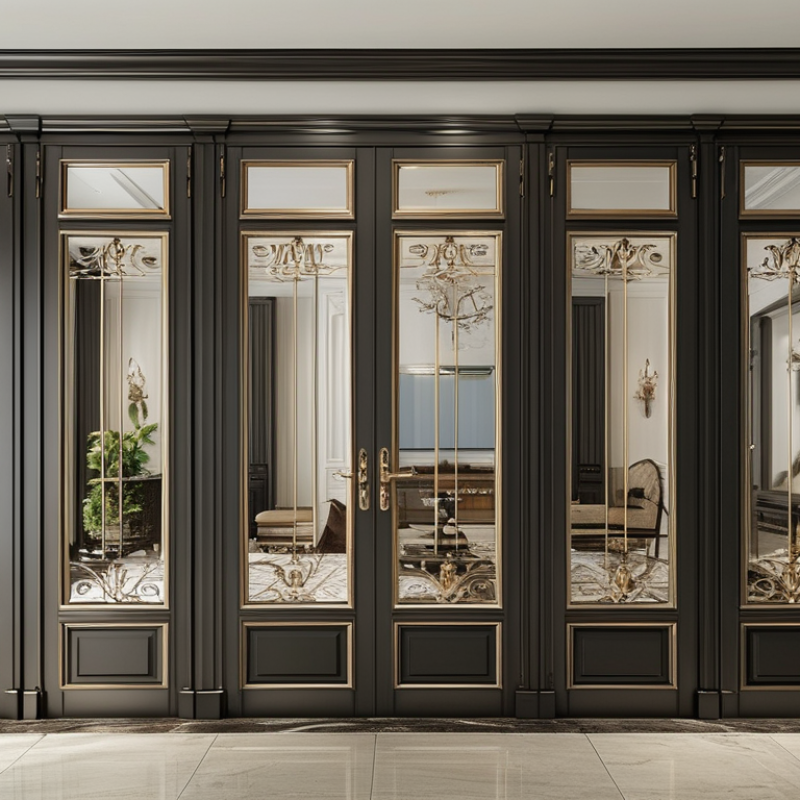
When selecting a French door system for your home, there are key features to consider. First, the material significantly impacts durability and aesthetics. Common options include wood, fiberglass, and vinyl. Each has its pros and cons, such as wood's classic look versus fiberglass's weather resistance.
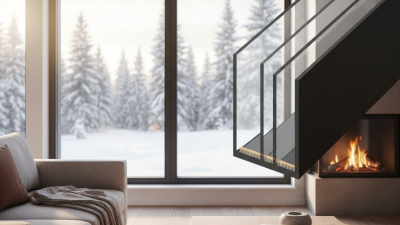
Security is another vital aspect. Look for systems with multi-point locking mechanisms. This enhances safety and provides peace of mind. Also, consider the glazing options. Double or triple-glazed units improve insulation and noise reduction. If your home is in a climate with extreme temperatures, this feature becomes essential.
Don't overlook customization options. Many systems offer different colors and finishes. Personalized design can enhance your home's appeal. Additionally, think about the door's swing direction and space requirements. Make sure to measure carefully. Aesthetic and functional details can impact your decision greatly. Balancing beauty and practicality can be challenging but rewarding.
Popular Materials for French Door Systems: Pros and Cons
When considering a French door system for your home, the materials play a crucial role. Wood is a classic choice, known for its beauty. It offers excellent insulation but requires regular maintenance. That can be a downside for busy homeowners. Over time, wood can warp or crack if not cared for properly.
Steel is another popular option. It is highly durable and provides a modern look. This material is fire-resistant and secure, but it can be prone to rust without proper treatment. Homeowners should be aware of the need for protective coatings to maintain its appearance.
Vinyl presents an affordable alternative. It is energy-efficient and available in various styles. Vinyl doors require minimal upkeep, making them ideal for busy families. Yet, they may lack the aesthetic appeal of wood or metal. Homeowners might find it harder to match their design vision with vinyl. Each material has its strengths and weaknesses, requiring careful consideration based on lifestyle and home design.
Energy Efficiency Ratings and Their Impact on Home Comfort
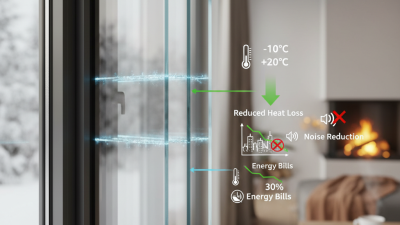
Energy efficiency plays a crucial role in enhancing home comfort. French door systems can significantly contribute to this aspect. According to the U.S. Department of Energy, energy-efficient doors can reduce energy bills by up to 30%. Homeowners often overlook the impact of proper insulation in their doors. An efficient door can prevent drafts, maintaining a stable indoor temperature.
In 2026, the focus on energy ratings will likely intensify. Energy Star ratings provide a benchmark for assessing performance. A rating can indicate how well a door prevents heat loss. Adopting high-rated systems can lead to a more comfortable living space. However, not all French doors meet these standards. Many models lack proper seals, leading to inefficiencies.
Investing in quality doors may seem daunting. Upfront costs can be high, but long-term savings are evident. The initial expense with energy-efficient options can return value over time. Data shows that homeowners recoup up to 85% of their door investment upon resale. Making informed choices is essential. This reflects not only on personal comfort but also on broader energy consumption trends.
Innovative Designs and Styles for Modern French Door Systems
When considering an upgrade to your home, modern French door systems stand out. These doors seamlessly blend indoor and outdoor spaces. Innovative designs showcase larger glass panels, enhancing natural light and creating a sense of openness. According to a recent industry report, homes with ample natural light boost mood and overall well-being.
One trendy option is bi-fold doors, which fold back to create a wide opening. This creates a stunning visual impact and improves airflow. In addition, sliding French doors remain popular due to their space-saving design. They can fit various architectural styles while requiring minimal effort to operate.
Tip: Consider energy-efficient glass options. They not only reduce heating costs but also minimize UV exposure inside. Test your choice against factors like safety features and ease of maintenance. Look for designs that harmonize with your existing décor. Ideal door systems should reflect your style while offering practical benefits. Remember, investing in quality pays off in longevity and performance. Frequent replacements can lead to higher costs in the long run.
Installation Tips and Maintenance for Lasting Performance
When upgrading your home with French doors, proper installation is crucial. Measure the door frame accurately to ensure a snug fit. An ill-fitting door can lead to drafts and energy loss. Ensure your site is level and clear of debris. Small mistakes can create larger issues later. Ask for help if needed; two sets of hands make the job easier.
Regular maintenance is essential for the longevity of your French doors. Inspect the seals annually for wear and tear. Replacing worn seals can prevent moisture damage. Clean the glass with a gentle detergent, avoiding harsh chemicals that can degrade the finish. Lubricate hinges regularly to ensure smooth operation. A well-maintained door enhances curb appeal and functionality.
Take note of the weather. Extreme temperatures can affect how doors operate. In winter, condensation may form on glass. Adjust ventilation to help mitigate this issue. If you notice sticking or gaps, it may be a sign that adjustments are required. Don’t ignore these indicators; they can lead to more significant problems down the road. Addressing these concerns proactively preserves the integrity of your investment.