2026 How to Choose the Best Window Replacement Solutions for Your Home?
Choosing the right window replacement solutions can be a daunting task for homeowners. With numerous options available, it’s easy to feel overwhelmed. According to industry expert John Smith, “The right windows can elevate your home’s aesthetic and energy efficiency.” His insight highlights the importance of thoughtful selection.
When considering window replacement solutions, think about your home’s specific needs. Are you looking for improved insulation, better aesthetics, or enhanced security? Each window type offers different benefits. Additionally, quality materials and professional installation play crucial roles in the final outcome.
It’s essential to reflect on your budget and desired results. Sometimes, what seems affordable might not provide the durability you need. Thus, confirm that you’re making informed choices. Researching different materials and styles can lead to better decisions. Remember, this investment should enhance your home’s value and comfort in the long run.

Understanding Different Types of Window Replacement Materials and Their Benefits
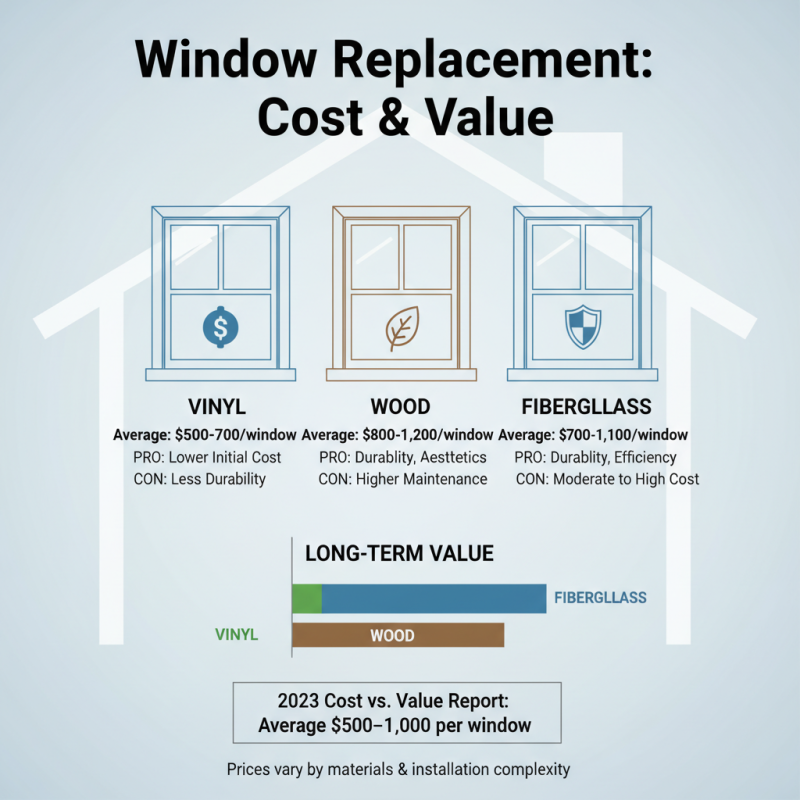
When considering window replacement, the materials you choose can greatly impact your home's energy efficiency and aesthetics. Common materials include vinyl, wood, and fiberglass. Each option has unique benefits. Vinyl windows are low maintenance and affordable, making them a popular choice. Wood windows offer classic beauty and excellent insulation but require more upkeep. Fiberglass windows combine durability with energy efficiency but can be costlier.
Many homeowners struggle with these choices. They may prioritize low cost over long-term benefits. While vinyl is budget-friendly, it may not last as long as wood. On the other hand, wood can be heavy and difficult to install but provides a timeless look. Understanding these trade-offs is crucial. Ask yourself about your climate and aesthetic preferences.
Research and consulting experts can provide tailored advice. A thorough evaluation will help in selecting the right materials for your needs. This decision impacts not only your wallet but also your home's value and comfort. Reflect on your lifestyle and the message you want your home to convey.
2026 How to Choose the Best Window Replacement Solutions for Your Home? - Understanding Different Types of Window Replacement Materials and Their Benefits
| Window Material |
Energy Efficiency |
Durability |
Maintenance |
Cost |
| Vinyl |
Excellent |
High |
Low |
Moderate |
| Wood |
Good |
Moderate |
High |
High |
| Aluminum |
Moderate |
Very High |
Low |
Moderate |
| Fiberglass |
Excellent |
High |
Low |
High |
| Composite |
Good |
High |
Moderate |
Moderate to High |
Evaluating Energy Efficiency Ratings for Optimal Home Comfort and Savings
When considering a window replacement, energy efficiency is crucial. Windows play a significant role in home insulation. Properly evaluated energy ratings can help you make an informed decision that enhances comfort and reduces bills.
Look for windows with high energy efficiency ratings. Check the U-factor, which measures heat transfer. A lower U-factor indicates better insulation. Another important metric is the Solar Heat Gain Coefficient (SHGC). This rating shows how much heat from the sun enters through your windows. A lower SHGC is often preferable in hot climates.
However, keep in mind that efficiency is not the only factor. The aesthetics and style of your new windows matter too. You want them to blend harmoniously with your home’s architecture. Reflect on your priorities. Is energy savings your primary concern, or do you lean towards aesthetics? Balancing these factors can be challenging but worthwhile. Consider seeking advice from a professional to ensure your choice aligns with both comfort and style preferences.
Energy Efficiency Ratings of Popular Window Types
Cost Analysis: Average Prices and Long-Term Value of Window Replacement Solutions
When considering window replacement, understanding the cost is crucial. According to the “2023 Cost vs. Value Report,” homeowners can expect to pay an average of $500 to $1,000 per window. This range can vary based on materials and installation complexities. Vinyl windows tend to be less expensive but may not offer the same long-term durability as wood or fiberglass options.
Beyond initial costs, it's essential to evaluate long-term value. Energy-efficient windows can reduce heating and cooling bills significantly. The U.S. Department of Energy reports that homeowners can save between $125 and $465 annually on energy costs with the right windows. However, not all energy-efficient models are equal, and the return on investment will depend on local energy prices and climate.
While cheap options may seem appealing, they may lack longevity and lead to future expenses. Homeowners should also consider potential tax credits when investing in energy-efficient replacements. Thorough research and cost analysis will aid in making informed decisions, ensuring that the investment pays off in the long run.
Factors Influencing Window Lifespan and Performance in Various Climates
When considering window replacement, various climate factors influence their lifespan and performance. Regions with extreme temperatures can cause window materials to expand and contract. This fluctuation leads to a higher risk of seal failure. According to the National Fenestration Rating Council, windows in areas with frequent temperature shifts lose efficiency faster, particularly if not properly insulated.
Humidity also plays a crucial role. In moist climates, windows may suffer from rot if constructed from wood without adequate treatment. Studies indicate that vinyl frames resist moisture better than wood, enhancing durability in humid regions. However, vinyl options may not perform well in extremely cold areas where brittle fractures can occur.
It's essential to acknowledge that not all windows are created equal. The best choice depends on your unique climate conditions and individual home characteristics. Consulting local building codes and experts can provide further insights. Choosing the right window solution requires careful consideration of these influences. Buyers should weigh options carefully, as an impulsive decision could lead to costly repairs later.
Choosing the Right Installation Method: Professional vs. DIY Approaches
Choosing the right installation method for window replacement can significantly impact your home’s energy efficiency. Experts suggest that professional installation often leads to better long-term results. A report by the Department of Energy indicates that professional installations can improve window performance by up to 30%. This means lower energy costs and enhanced comfort.
On the other hand, DIY approaches may seem cost-effective. However, they can carry risks. Incorrect installation can lead to air leaks or diminished performance, undermining energy efficiency. A study from the National Association of Home Builders shows that 15% of DIY projects require professional correction later. This not only adds costs but also time, creating potential frustration for homeowners.
Many homeowners wrestle with the decision. While professional services deliver reliability, the DIY route offers personal satisfaction. Each choice comes with its own set of merits and drawbacks. Evaluating your skill level, budget, and timeframe is crucial in making the right decision for your home. Reflecting on these factors can ultimately guide you toward a more successful window replacement experience.