How to Choose the Best Thermal Insulation Windows for Your Home?
Choosing the right thermal insulation windows for your home can significantly impact energy efficiency. These windows help maintain indoor temperatures and reduce energy bills. However, selecting the best option involves understanding various factors.
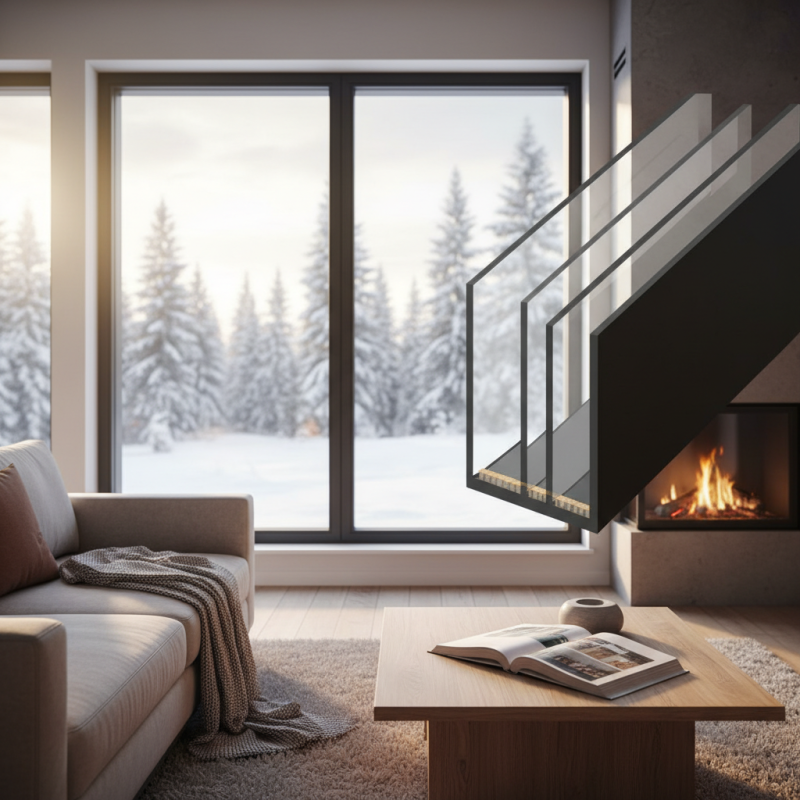
Consider the type of glass used in thermal insulation windows. Double or triple glazing is often more effective than single-pane glass. These layers create an air gap, minimizing heat transfer. Additionally, think about frame materials. Vinyl, wood, and fiberglass each have different insulation properties.
Evaluate the R-value, a measure of thermal resistance. A higher R-value indicates better insulation. Be mindful of the window's solar heat gain coefficient as well. This metric shows how much heat the window allows in. Making informed choices about thermal insulation windows can elevate your home's comfort and efficiency.
Factors to Consider When Selecting Thermal Insulation Windows for Homes
When choosing thermal insulation windows, several factors demand careful consideration. The U-factor, which measures heat transfer, is a crucial rating. A lower U-factor indicates better insulation. For instance, windows with a U-factor of 0.25 or lower can significantly reduce heating costs, as outlined in studies by the Department of Energy. This reduction can reach up to 30% in heating expenses, making it a vital component in your selection process.
Another important aspect is the Solar Heat Gain Coefficient (SHGC). This measures the amount of solar radiation that enters through the window. Ideally, an SHGC of 0.25 to 0.40 is considered efficient. This balance allows for natural light while keeping your home cooler during peak sunlight. According to recent reports, homes with an optimal SHGC can lower cooling bills by about 25%, providing both comfort and savings.
Additionally, frame material plays a significant role in insulation effectiveness. Vinyl frames frequently offer better thermal performance compared to wood or aluminum. The National Fenestration Rating Council indicates that the type of frame can affect thermal insulation by up to 15%. It's crucial to weigh these factors against budget and aesthetic preferences, as the best choice is often a blend of practicality and design.
Understanding the Energy Efficiency Ratings: U-Factor and Solar Heat Gain Coefficient
When selecting thermal insulation windows, understanding energy efficiency ratings is crucial. Two key metrics are the U-Factor and Solar Heat Gain Coefficient (SHGC). The U-Factor measures the rate of heat transfer. A lower U-Factor indicates better insulation. For example, windows with a U-Factor of 0.25 are significantly more energy-efficient than those rated at 0.35. This difference can lead to substantial energy savings over time.
On the other hand, the Solar Heat Gain Coefficient (SHGC) measures how much solar radiation passes through a window. A lower SHGC means less heat enters your home, which is advantageous in hotter climates. Studies show that homes with low SHGC windows can save up to 20% on cooling costs. It's essential to consider your local climate when choosing these ratings. Balance between U-Factor and SHGC is necessary. Overemphasizing one can lead to unintended consequences, such as excessive heating costs in winter.
National standards suggest that energy-efficient windows should meet specific guidelines to qualify for rebates. These ratings can vary significantly by region, emphasizing the need for careful research. Relying solely on generalized information might lead to sub-optimal choices. It’s vital to consult local resources or energy experts before making a decision.
Comparing Double vs. Triple Glazed Windows for Optimal Insulation
When choosing windows for thermal insulation, the debate between double and triple glazing is significant.
Double glazed windows consist of two panes of glass, creating a layer of air that provides decent insulation. They work well for moderate climates, reducing heat loss and noise.
On the other hand, triple glazed windows are made up of three panes, which offer superior insulation capabilities. They are ideal in extreme climates where temperatures can plunge or soar.
Here are some tips for your selection process. First, consider your local climate. If you experience harsh winters or scorching summers,
triple glazing might be the better option. Double glazing may suffice in milder areas, but it won't insulate as effectively.
Maintenance is another crucial factor. Ensure that the frame material is durable and can withstand your climate's elements.
It's also essential to think about installation. Expertly installed windows, whether double or triple glazed, will perform significantly better.
Poor installation can undermine even the best windows. Don't overlook this part of your decision-making. The right choice can enhance comfort and reduce energy bills.
The Role of Frame Material in the Thermal Performance of Windows
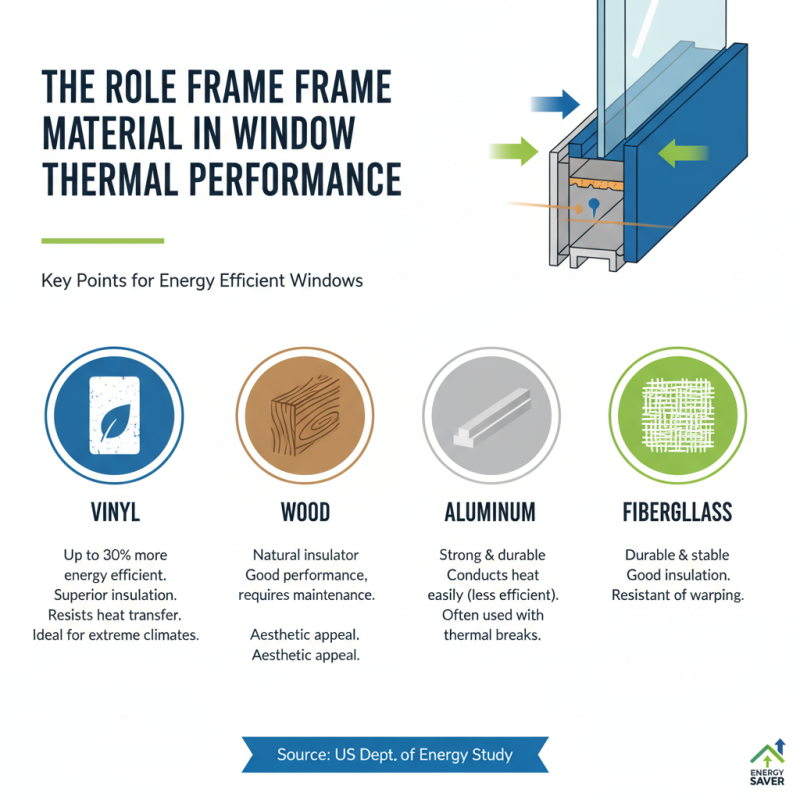
When selecting thermal insulation windows, the frame material significantly impacts their thermal performance. Popular materials include vinyl, wood, aluminum, and fiberglass. According to a recent study by the Department of Energy, vinyl frames can improve energy efficiency by up to 30% due to their superior insulating properties. They resist heat transfer and maintain a stable indoor temperature, particularly in extreme climates.
Wood frames also offer commendable insulation but require maintenance. They can warp or rot if not properly cared for, leading to potential thermal loss. Conversely, aluminum frames, while durable, conduct heat and cold. This can result in a less efficient insulation performance unless thermally broken. A report by the National Fenestration Rating Council indicates that thermally broken aluminum frames can still achieve respectable insulating performance, yet they may not outperform vinyl or fiberglass options.
Fiberglass frames are gaining popularity for their strength and resistance to temperature changes. They can achieve up to 90% thermal efficiency. However, the cost can be a concern for some homeowners. Assessing your specific needs, budget, and climate conditions can make the decision challenging. Balancing these factors with material performance is crucial for effective insulation.
Importance of Proper Installation for Maximizing Thermal Insulation Effectiveness
When selecting thermal insulation windows, installation is crucial. Proper installation can significantly enhance the effectiveness of your windows. A poor install can lead to gaps, reducing energy efficiency. Many overlook this aspect, assuming the product alone is enough. However, the best windows won’t perform optimally if not installed correctly.
To ensure a good fit, hire experienced professionals. They have the skills to handle various building materials. Improper installation techniques can void warranties. Double-check that the contractor is familiar with local building codes and standards. This is vital for compliance and safety.
Additionally, consider the sealant and framing materials. Poor-quality materials can lead to drafts and condensation issues. Use high-quality products that complement the windows. Regular maintenance can also keep windows performing well over time. Look for signs of wear and tear, such as moisture build-up.
Finally, keep a record of installation dates and warranties. It helps in future repairs or replacements. The investment in quality windows and proper installation pays off in the long run, both in comfort and energy savings.
How to Choose the Best Thermal Insulation Windows for Your Home? - Importance of Proper Installation for Maximizing Thermal Insulation Effectiveness
| Feature |
Description |
Impact on Insulation |
Installation Importance |
| Window Frame Material |
Vinyl, wood, aluminum |
Different materials provide varying thermal resistance. |
Proper selection and installation can minimize air leakage. |
| Glazing Type |
Single, double, or triple glazing |
More layers improve thermal performance. |
Correct sealing of multiple layers is crucial for effectiveness. |
| Low-E Coatings |
Reflective coatings that reduce heat transfer |
Enhances energy efficiency by retaining heat indoors. |
Installation must ensure layers stay undamaged to function correctly. |
| Gas Fills |
Argon or krypton gas between glass panes |
Improves insulation by reducing heat conduction. |
Ensures no leaks occur during installation to maintain gas presence. |
| Professional Installation |
Expert installation services |
Ensures insulation performance meets specifications. |
Critical for eliminating gaps and ensuring window fit. |