2026 Top Window Insulation Systems for Global Buyers?
As we approach 2026, the demand for effective window insulation systems continues to grow. Homeowners and businesses seek ways to enhance energy efficiency. Choosing the right insulation can reduce energy bills significantly. Many options are available in the market, but not all meet the high standards of quality and performance.
Window insulation systems play a crucial role in climate control. They help maintain comfortable indoor temperatures. These systems can also reduce outside noise. Quality insulation enhances building longevity and overall value. However, navigating through the many choices can be challenging. Buyers often feel overwhelmed by the array of products and brands.
It's important to reflect on specific needs before making a decision. Factors like climate, building design, and budget all influence the choice. Not every insulation system will suit every situation. Therefore, doing thorough research is key. Understanding the unique benefits and drawbacks of each system can lead to better outcomes. In this guide, we will explore various window insulation systems available for global buyers in 2026, providing insights to aid informed selection.

Overview of Window Insulation Systems Available in 2026
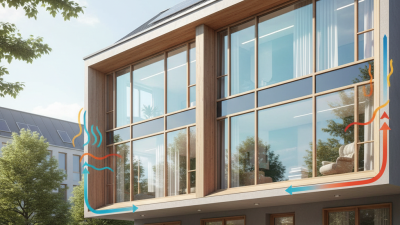
As we move into 2026, the demand for advanced window insulation systems continues to grow. Recent industry reports indicate that energy-efficient windows can reduce heating costs by up to 30%. This statistic highlights the importance of selecting the right insulation system. Various technologies, such as triple glazing and low-emissivity (Low-E) coatings, are becoming more popular among global buyers. Each option offers unique benefits in terms of thermal resistance and overall energy conservation.
Triple glazing, for instance, includes three panes of glass, creating better insulation than traditional double glazing. With energy efficiency in mind, building codes are becoming stricter, requiring better thermal performance in new constructions. Low-E coatings reflect heat, enhancing building comfort while reducing energy bills. According to a 2023 report by the U.S. Department of Energy, homes equipped with such systems can save up to $400 annually on energy costs.
However, not all window insulation systems may suit every climate. Homeowners must consider local weather patterns when making choices. In warmer climates, for example, shading or reflective coatings may be more beneficial. Buyers often face a dilemma between cost, efficiency, and aesthetic appeal. Balancing these factors is essential, yet challenging. Successful insulation strategies require thorough research and consideration of specific needs.
2026 Top Window Insulation Systems Overview
This chart illustrates the effectiveness of various window insulation systems based on their R-value, which measures thermal resistance. Higher R-values indicate better insulation performance. The data represents the projected performance metrics for 2026.
Key Features to Consider in Window Insulation Products
When choosing window insulation products, several key features demand attention.
Energy efficiency stands out as a priority. Insulation can reduce energy loss by up to 30%, as supported by the U.S. Department of Energy. This statistic underscores the financial and environmental benefits of effective window insulation.
Thermal resistance, measured by R-value, is crucial. Products with higher R-values provide better insulation. The National Fenestration Rating Council highlights that windows with R-values above 5 can significantly curb heating and cooling costs.
Additionally, air infiltration, quantified in cubic feet per minute, plays a vital role. Even small leaks can lead to energy waste. Sealing these leaks can improve your home’s overall comfort and energy use.
Lastly, consider the material durability. Insulation materials should withstand environmental factors to ensure longevity. According to the International Energy Agency, quality materials can last over 25 years. However, not all products meet this criterion, leading to underperformance. Making an informed choice is essential for maximizing benefits and minimizing regrets.
Comparison of Popular Window Insulation Technologies
When examining window insulation technologies, several options stand out for their effectiveness and practicality. Foam insulation is known for its lightweight properties and excellent thermal resistance. It can fill gaps and reduce air leakage, which is crucial in any environment. However, improper installation may lead to condensation issues and decreased performance.
Another popular choice is triple-glazed windows. These windows provide superior insulation, minimizing heat loss significantly. They also offer noise reduction, making them ideal for urban areas. However, they can be quite heavy and may require reinforced framing. This added structural requirement can be a challenge in some buildings.
Reflective window films are gaining traction for their affordability and ease of application. These films deflect radiant heat, keeping spaces cooler. Yet, they may not be as effective in extremely cold climates. Users might find these films less durable over time and require frequent replacements. Each technology has its strengths and weaknesses, emphasizing the importance of informed selection based on specific needs.
2026 Top Window Insulation Systems for Global Buyers
| Insulation Technology |
R-Value (per inch) |
Energy Efficiency (%) |
Cost ($ per sq. ft.) |
Installation Difficulty |
| Triple Glazing |
5.0 |
30% |
15.00 |
Moderate |
| Low-E Glass |
4.0 |
25% |
12.00 |
Easy |
| Aerogel |
10.0 |
40% |
30.00 |
Hard |
| Window Film |
1.0 |
15% |
5.00 |
Easy |
| Polycarbonate |
2.7 |
20% |
8.00 |
Moderate |
Benefits of High-Performance Window Insulation Solutions
High-performance window insulation systems have become essential for modern buildings. According to the U.S. Department of Energy, a significant portion of energy loss in homes occurs through windows. In fact, EnergyStar estimates that improving window insulation can reduce heating and cooling costs by up to 25%. This statistic highlights the potential savings, but many buildings still use outdated insulation methods.
Advanced window insulation solutions utilize multi-layer technology. These systems often incorporate low-emissivity (low-E) coatings and gas fills between panes. Research published in the Journal of Building Physics indicates that low-E coatings can improve thermal performance by 30% or more. However, not all insulation solutions are created equal. Potential buyers may struggle to find options that balance cost and effectiveness.
Investing in high-performance insulation requires careful consideration. While the upfront costs may be higher, the long-term benefits can outweigh these expenses. Studies show that buildings with superior insulation require less energy, contributing to a lower carbon footprint. Yet, the choice of materials and installation quality can vary significantly. Buyers must remain vigilant and informed to make the best decisions.
Global Market Trends and Innovations in Window Insulation
In 2026, the window insulation market is experiencing significant shifts. New materials and techniques are emerging, targeting energy efficiency. Consumers seek solutions to reduce heating and cooling costs. Transparency in energy ratings gains importance. Builders and architects focus on these ratings to guide their choices.
Recent innovations include advanced glazing technologies. These provide better thermal performance and reduce carbon footprints. Manufacturers are experimenting with aerogel and vacuum-insulated panels. These options show promise but come with higher costs and installation challenges. Some buyers hesitate due to this complexity.
Sustainable practices are also trending. Many buyers value eco-friendly materials. Awareness of environmental impact drives purchasing decisions. However, not every alternative proves effective. Some buyers might prioritize affordability over sustainability. This creates a potential gap in market demand for reliable insulation solutions tailored to different needs. Understanding these dynamics remains essential for stakeholders.