Why Choose Triple Glazed Windows for Your Project?
Choosing the right windows can influence comfort, energy use, and long-term building performance. This is why many architects, contractors, and homeowners are considering triple glazed windows for demanding projects. Their three panes create two insulating gaps, which can reduce heat transfer and improve indoor temperature stability. In winter, the inner glass feels less cold. In summer, unwanted heat enters more slowly.
Building scientist Dr. Joseph Lstiburek has said, “Windows are holes in walls.” That simple observation matters. Even a highly insulated wall can lose performance through poorly selected or badly installed windows. Triple glazed windows can help, but only when their frame, spacer, low-emissivity coating, and installation method work together. A strong specification should examine U-value, solar heat gain, visible light, airtightness, and condensation resistance. Numbers matter. So does the site.
They are not automatically the right answer. In a mild climate, the extra glass layer may offer limited financial return. Larger frames can also reduce daylight, increase weight, and demand stronger hardware. Budget pressure is real. Still, in cold regions, noisy urban locations, and high-performance homes, the benefits can be tangible: warmer interior surfaces, quieter bedrooms, and fewer cold drafts near the glass.
This guide will examine where triple glazed windows perform best, what their ratings mean, and which installation details deserve attention. It will also question common assumptions. Better glass cannot repair a weak design. A careful project balances performance, cost, appearance, and practical construction limits.

What Are Triple Glazed Windows and How Do They Work?
Why Choose Triple Glazed Windows for Your Project?
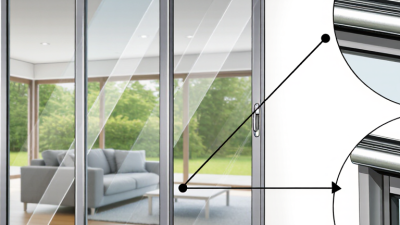
Triple glazed windows contain three glass panes separated by two sealed insulating cavities. These cavities usually contain inert gas, while low-emissivity coatings reduce radiant heat transfer. In winter, indoor warmth reflects back into the room. In summer, external heat meets another barrier. The result feels practical: fewer cold spots beside the frame and less interior condensation on frosty mornings.
The U.S. Department of Energy reports that windows can cause 25–30% of residential heating and cooling energy use. Triple glazing can reduce heat loss, but performance depends on the complete unit. Frame material, spacer design, installation quality, and orientation all matter. The National Fenestration Rating Council evaluates U-factor and solar heat gain coefficient, helping project teams compare tested performance rather than rely on appearance.
They are quieter, too.
Yet triple glazing is not automatically the best choice. It adds weight, cost, and installation demands. A poorly fitted unit may perform worse than a carefully installed double-glazed window. I have seen specifications focus heavily on glass layers while overlooking airtight junctions around the frame. That is an easy mistake. Project calculations should consider local climate, window size, ventilation strategy, and embodied materials. The International Energy Agency’s building-efficiency research also stresses that envelope performance works as a system, not as isolated components.
How Triple Glazing Improves Thermal Insulation and Energy Efficiency
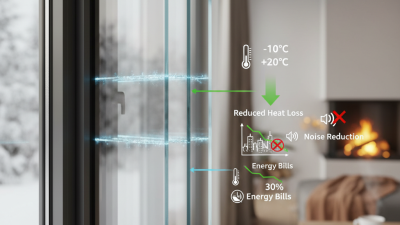
Triple-glazed windows improve thermal insulation by adding a third pane and another sealed cavity. These layers slow heat movement through the glass. Low-emissivity coatings and argon-filled spaces can reduce radiant and conductive heat loss further. The Passive House Institute commonly uses windows with whole-window U-values near 0.8 W/m²K or lower. Lower values indicate better insulation.
The U.S. Department of Energy reports that windows can represent 25–30% of residential heating and cooling energy use. Better glazing can therefore reduce boiler and air-conditioning demand, especially in homes with large glazed areas. Interior glass also stays warmer during winter. That can reduce cold downdraughts near a sofa or desk. Comfort improves.
But glazing alone is not enough. Frame quality, spacer design, orientation, and installation affect the final result. The National Fenestration Rating Council evaluates whole-window performance through U-factor, solar heat gain coefficient, and visible transmittance ratings. These figures help compare products more reliably. A lower U-factor suits cold climates, while a carefully selected solar heat gain coefficient can support winter heating. The wrong specification may increase summer overheating. That is an easy mistake. Airtight fitting matters too, because a narrow gap around the frame can undermine expensive glass. My practical view is simple: triple glazing performs best when the window, wall, shading, and ventilation strategy are designed together. Otherwise, the upgrade may cost more without delivering its full energy benefit.
How It Enhances Soundproofing, Comfort, and Indoor Air Quality
Triple glazed windows can make a room feel noticeably calmer. Three panes and two sealed cavities reduce outdoor traffic noise, especially when glass thicknesses differ. However, performance depends on the frame, seals, wall construction, and installation quality. A laboratory rating is not the same as a quiet bedroom beside a busy road. The World Health Organization recommends keeping nighttime road-traffic noise below 45 dB indoors. Good window design can help approach that target, but it cannot repair a poorly insulated wall.
Comfort improves through steadier interior temperatures. The U.S. Department of Energy reports that windows can represent 25–30% of residential heating and cooling energy use. Lower heat transfer means fewer cold drafts beside the glass. It also reduces the cold-radiation feeling near large windows. That said, triple glazing costs more and adds weight. An overlooked detail is solar exposure; unsuitable glass may cause overheating on a sunny afternoon.
Tips: Request whole-window U-values and acoustic ratings, not centre-glass figures alone. Check installation details around the frame. For indoor air quality, remember that sealed windows do not remove pollutants. The U.S. Environmental Protection Agency identifies source control as the most effective approach, followed by ventilation. Pair airtight windows with balanced mechanical ventilation and effective filtration. Keep humidity near 30–50% when practical. A quiet room can still contain cooking particles, moisture, or cleaning chemicals. This is where many projects fall short. Consult an energy assessor and an acoustic specialist before choosing specifications.
What Materials, Designs, and Installation Options Are Available?
Triple glazed windows combine three panes with sealed cavities, usually filled with inert gas. The glass may include low-emissivity coatings, which reduce heat loss through the building envelope. Warm-edge spacers can limit condensation around the glass perimeter. These details matter. Without them, extra glazing may deliver less value than expected.
Frame materials shape both performance and appearance. Timber offers a warm, natural finish, but it needs regular maintenance. uPVC can provide reliable insulation with simpler upkeep. Aluminium frames suit slim, modern designs, especially when they include effective thermal breaks. Composite frames combine materials, although their cost and repair requirements vary. Casement, tilt-and-turn, sliding, and fixed designs each affect ventilation, cleaning, and emergency access.
Installation quality often decides whether laboratory figures become real household benefits. A careful installer should inspect the opening, check wall condition, and confirm accurate measurements. Shims must support the frame without distorting it. Tapes, membranes, and sealants should control air leakage and rainwater. Drainage paths must remain clear. I have seen well-specified windows underperform because installers rushed these small steps. That experience makes me cautious about choosing products from ratings alone. Site exposure, room orientation, ventilation habits, and existing insulation also deserve attention.
No option is perfect.
When Are Triple Glazed Windows a Suitable Choice for Your Project?
Why Choose Triple Glazed Windows for Your Project?
Triple glazed windows are most suitable when thermal comfort, noise control, and energy performance matter together. They work especially well in cold climates, exposed elevations, and highly insulated homes. In retrofit assessments, rooms beside busy roads often feel noticeably calmer after upgrading the glazing. Interior surfaces also stay warmer near the glass, reducing cold drafts and condensation risk.
However, triple glazing is not automatically the best choice. It adds weight, thickness, and cost, so existing frames may need replacement. A lightweight wall or older structure might require additional checks. In mild climates, the energy savings may take longer to recover the investment. Large south-facing windows can also overheat if glass coatings, shading, and ventilation are poorly coordinated. The answer depends on orientation, local weather, window size, and the building’s heating system. It is easy to over-specify.
Tips: Compare whole-window U-values, not glass-only figures. Check solar heat gain for each elevation. Ask for condensation-risk calculations. Confirm frame strength and installation details. Keep ventilation in the design.
Professional advice should follow local energy standards and actual site conditions. A properly installed double glazed window can outperform a poorly fitted triple glazed unit. That detail is often underestimated. On-site checks should include air leakage, reveals, drainage, and sealed joints. Even excellent glass cannot correct a weak installation.