Best Awning Window Systems to Enhance Your Home Design?
Awning window systems have become a focal point in home design. Their unique ability to combine functionality with aesthetics makes them a popular choice. According to a recent industry report, homes with well-designed window systems can see a 15% increase in overall appeal. This suggests that homeowners are not just investing in windows, but in the value of their property.
One defining feature of awning windows is their versatility. They open outward from the bottom, allowing for ventilation even during rain. This practical design helps create a comfortable indoor environment, which is crucial for modern living. Furthermore, Energy Star reports that energy-efficient windows can reduce heating and cooling costs by up to 12%. However, many homeowners overlook the importance of quality installation and materials, which can compromise these benefits.
While awning window systems can enhance a home's design, they may not suit every property style. Homeowners should carefully consider their architectural context. Poor design choices can lead to unsatisfactory outcomes. Research indicates that aesthetics play a direct role in neighborhood value. Ultimately, choosing the right system involves balancing function, style, and overall investment in home improvement.
Understanding Awning Windows: Features and Benefits
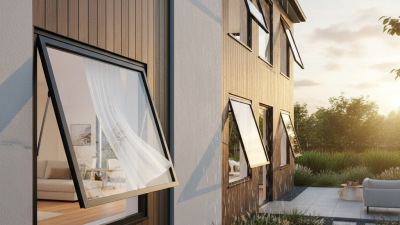
Awning windows are a popular choice for home design, known for their practicality and aesthetic appeal. These windows hinge at the top, opening outward, which allows for ventilation even during rain. This unique design prevents water from entering your home. When it rains, these windows can stay open, letting fresh air in while keeping your indoor space dry.
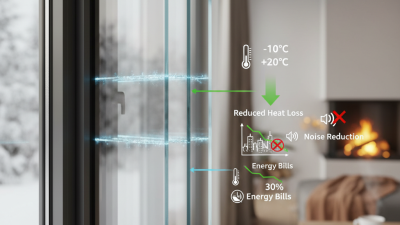
One notable feature of awning windows is their energy efficiency. The tight seals minimize air leaks, making them ideal for various climates. They can help reduce energy bills by maintaining indoor temperatures. Additionally, their placement allows homeowners to enjoy scenic views and natural light without compromising on privacy. If you're considering these windows, think about the placement and size. They work well in areas that benefit from airflow, like kitchens and bathrooms.
While awning windows offer many benefits, it's essential to consider their maintenance needs. Regular cleaning of the exterior is necessary to avoid buildup. Some homeowners may find the outward opening cumbersome, especially in tight spaces. Reflecting on these factors can help ensure you make the right choice for your home.
Types of Awning Window Systems Available on the Market
Awning windows are increasingly popular for enhancing home designs. They provide excellent ventilation while protecting against rain. These windows are hinged at the top and open outward, allowing fresh air in without compromising privacy. A recent industry report highlights a growth rate of 6% annually in the window market, primarily driven by energy-efficient designs.
There are several types of awning window systems available today. Casement-style awning windows are a top choice, as they offer a sleek appearance and optimal airflow. Additionally, architects often recommend multi-panel designs for larger openings. According to a study by the American Architectural Manufacturers Association, homes with awning windows can reduce energy costs by up to 15%. However, if poorly installed, these windows may lead to air leakage and decreased efficiency.
Another option includes bug-proof screens that enhance usability without sacrificing aesthetics. Lightweight materials make it easier to operate, but they may not withstand severe weather conditions. Homeowners should consider the durability of materials when selecting awning windows. It’s essential to weigh both style and functionality to make the right choice for your home.
Key Design Considerations for Awning Windows in Homes
Awning windows are a popular choice for modern homes, offering both style and functionality. When selecting these windows, consider the placement in your home. They are often installed higher on the wall. This design allows for natural ventilation without compromising privacy. Choosing the right size is essential. Large awning windows can create a stunning focal point, while smaller ones might suit compact spaces better.
Materials used in awning windows also deserve attention. Durable materials, such as vinyl or fiberglass, resist the elements and require less maintenance. However, wooden frames can add warmth and charm. Think about energy efficiency too. Low-emissivity glass can minimize heat loss while maximizing light intake. Each choice impacts overall comfort in your home and the environment.
Lighting should also be factored in when designing with awning windows. Proper placement ensures that rooms feel spacious and bright. However, too much sunlight can lead to glare and fading of furniture. Regular cleaning is vital to maintain the appearance of these windows, especially in hard-to-reach areas. Design decisions for awning windows can greatly influence home aesthetics and energy consumption. Consider all factors carefully.
Best Awning Window Systems to Enhance Your Home Design
| Window Material |
Energy Efficiency (U-Value) |
Water Resistance Rating |
Maintenance Level |
Design Flexibility |
| Vinyl |
0.27 |
Excellent |
Low |
High |
| Aluminum |
0.36 |
Good |
Medium |
Moderate |
| Wood |
0.30 |
Fair |
High |
Excellent |
| Fiberglass |
0.25 |
Excellent |
Low |
High |
| Composite |
0.28 |
Good |
Medium |
Moderate |
Installation Process: How to Properly Fit Awning Windows
Installing awning windows can significantly enhance your home’s design. These windows provide improved ventilation and allow natural light to enter. However, proper installation is crucial for their efficiency. According to a 2022 study by the Window & Door Manufacturers Association, nearly 30% of window installation failures stem from improper fitting. This can lead to air and water leaks, diminishing energy efficiency.
Begin by assessing the window opening. Make sure it is level and square. Use measuring tools to ensure correct dimensions. If the frame is not square, it can cause difficulties during installation. Apply a waterproof flashing around the opening to prevent leaks. This step is critical, yet many neglect it. A report by the American Architectural Manufacturers Association (AAMA) highlighted that inadequate flashing can reduce the window's lifespan by up to 15 years.
During installation, use shims to get a snug fit. Ensure the window opens smoothly without obstruction. It's vital to check the operation after the installation. Some homeowners find it challenging to detect air leaks until after installation. A blower door test can reveal hidden issues. Remember, even small gaps can affect energy performance. Take the time to reflect on installation quality to avoid future complications.
Maintenance Tips for Long-Lasting Awning Window Performance
Awning windows can be a beautiful addition to your home. However, to keep them looking and performing their best, regular maintenance is essential. Begin by cleaning the glass and frames frequently. Use a soft cloth or sponge with mild soap to remove dirt and dust. Don't forget to rinse thoroughly to avoid soap residue.
Check the hinges and opening mechanisms for smooth operation. If you notice any stiffness or resistance, apply a silicone-based lubricant. This small step can prevent wear and extend the lifespan of your windows. Occasionally, inspect the weather stripping around the frame. A worn strip may not seal properly, leading to drafts or water leaks.
Consider the external environment as well. If your home is in a region with heavy storms, you may want to install protective screens. This can minimize damage during harsh weather. Remember to assess the windows after bad weather events. Look for any signs of wear or damage that may need immediate attention. Regular attention to these details will enhance the longevity of your awning windows and maintain their aesthetic appeal.