Top Window Technology Solutions for Global Buyers?
In today's dynamic market, understanding window technology solutions is crucial for global buyers. The right choice of window technology can greatly enhance a building's energy efficiency, aesthetics, and functionality. With advancements in materials and design, companies must navigate numerous options. However, the abundance of choices often leads to confusion.
Buyers face challenges when selecting the best solutions. Insufficient knowledge can result in poor investments. It is essential to consider factors such as durability, cost-effectiveness, and environmental impact. Each decision carries weight, influencing not just aesthetics but overall operational efficiency.
Exploring different window technology solutions requires a blend of expertise and insight. Reliable sources play a vital role in guiding buyers through this complex landscape. The importance of making informed choices cannot be overstated. Continuous learning and reflection are necessary for achieving optimal results in any project.
Innovations in Window Technology: Meeting Global Demand Trends
The window technology landscape is rapidly evolving. Innovations are responding to a growing global demand for energy-efficient and sustainable solutions. The trend is clear: buyers worldwide are looking for products that not only enhance aesthetics but also improve energy performance.
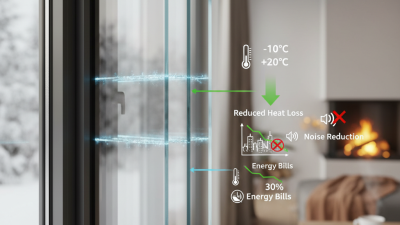
Recent advancements include smart glass and insulated window designs. Smart glass can adjust transparency based on light exposure. This feature not only promotes comfort but also reduces energy costs. Insulated windows are designed to minimize heat transfer, providing significant savings in heating and cooling. A focus on sustainable materials is also evident. Eco-friendly windows are becoming popular, reflecting buyers’ desires for greener buildings.
However, challenges remain. Many new technologies can be complex and costly to implement. Not all consumers understand how to assess these technologies. Education is crucial. As the market grows, manufacturers must make these innovations accessible. Reliable information on energy performance and installation processes should be more readily available. It is essential to bridge the knowledge gap for informed decision-making.
Key Players in the Window Solutions Market and Their Market Shares
In the ever-evolving window solutions market, several key players stand out due to their innovative technologies and market influence. These companies have developed advanced energy-efficient products that appeal to environmentally conscious consumers. Each player has carved a niche, focusing on unique designs or sustainability features. Their ability to adapt to market demands plays a crucial role in their success.
Market shares among these companies often fluctuate. This fluctuation can stem from various factors, including emerging technologies and consumer preferences. Some players excel in residential solutions while others dominate commercial markets. For instance, a focus on smart window technologies has truly reshaped competitive dynamics. Even leading companies must continuously reassess their strategies to maintain relevance.
Amid these dynamics, challenges remain. Some brands struggle to keep up with innovation. Supply chain disruptions have also impacted product availability, forcing companies to rethink logistics. Competition is stiff, and new entrants are emerging rapidly. A willingness to learn from setbacks may be essential for long-term success in this sector. The potential for growth remains strong, particularly for those open to evolving their approaches.
Top Window Technology Solutions for Global Buyers
Sustainability in Window Technology: Energy Efficiency and Eco-Friendly Materials
In today's evolving market, sustainability is a critical factor in window technology. Energy efficiency has become a top priority for builders and homeowners alike. Eco-friendly materials are now more accessible and offer viable alternatives to traditional options. Many products are designed to reduce energy consumption while maintaining aesthetics and durability.
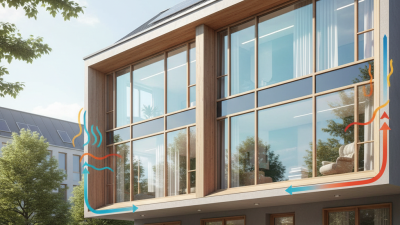
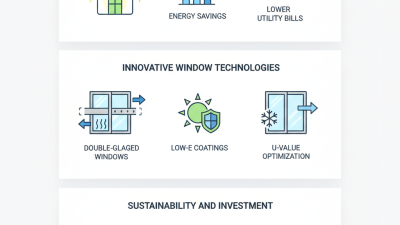
When selecting window solutions, consider the insulation properties. Look for materials with high thermal resistance. Double- or triple-glazed windows significantly improve energy efficiency. These designs help maintain indoor temperatures, reducing the need for heating or cooling.
Tips for eco-friendly windows:
- Check for responsible sourcing.
- Assess life cycle impacts.
- Seek certifications that verify efficiency standards.
It's also important to reflect on your choices. Not all energy-efficient windows are created equal. Research and compare different options. Sometimes, the cheapest solution might not provide long-term savings. Balancing cost with sustainability requires careful consideration. Sustainable choices may require a bigger upfront investment, but they empower a greener future.
Advancements in Smart Window Technologies and Their Consumer Adoption
The field of smart window technology is evolving rapidly. Recent data from industry reports suggests that the global smart window market is expected to reach $10 billion by 2025, growing at a compound annual growth rate (CAGR) of 20%. This growth reflects increasing consumer interest in energy-efficient solutions. Advanced technologies like electrochromic and photochromic windows are gaining traction among homeowners.
Adoption rates are also on the rise. A 2023 survey found that 45% of consumers are considering smart windows for new constructions or renovations. Many see the benefits of reduced energy costs and improved comfort. However, challenges remain. Installation costs can be high, deterring some potential users. The complexity of technology also leads to uncertainties about long-term maintenance and reliability.
Another consideration is the awareness gap. While many consumers recognize energy efficiency as vital, only 35% have a clear understanding of smart window benefits. This lack of knowledge can slow down adoption rates. The industry must prioritize education and outreach to help consumers navigate their options. Critical market insights suggest that further investment in research and development could refine technologies, making them more accessible and user-friendly.
Top Window Technology Solutions for Global Buyers
| Technology Type |
Energy Efficiency (kWh/m²/year) |
Smart Features |
Adoption Rate (%) |
Market Growth Rate (2021-2026, %) |
| Electrochromic Windows |
30 |
Tinting on demand, Remote control |
15 |
20 |
| Photovoltaic Windows |
25 |
Energy generation, Integration with smart grids |
10 |
15 |
| Smart Window Films |
20 |
Adaptive light control, Smartphone compatibility |
30 |
18 |
| Self-tinting Windows |
22 |
Automatic tint adjustment, UV filtering |
12 |
19 |
| Insulated Smart Glass |
28 |
Temperature regulation, Anti-fogging |
25 |
22 |
Emerging Markets and Their Impact on Global Window Technology Solutions
Emerging markets are reshaping the landscape of window technology solutions. As urbanization accelerates, countries like India and Brazil are witnessing significant growth in construction. According to a recent report by the Global Window Market Research, the demand for energy-efficient windows in these markets surged by 25% in 2022.
Energy efficiency is becoming a top priority. Windows designed with low-emissivity (Low-E) coatings enhance insulation and reduce energy costs. Studies show that energy-efficient windows can lower electricity consumption by 15-30%. This trend is often driven by government regulations pushing for sustainable building practices in developing regions.
Tips: Consider local climate factors when selecting window technology. Tailoring solutions to regional demands can enhance performance and provide cost savings. Engage with local suppliers who understand the market intricacies, ensuring trust and reliability.
Furthermore, innovative materials are becoming essential. For instance, fiberglass frames offer durability and thermal performance. However, the higher initial cost may deter some contractors, leading to a slow adoption rate. To successfully penetrate these markets, industry players must address potential hesitations and provide clear data to demonstrate long-term value.
Tips: Educate stakeholders about the benefits of new materials. Providing informative workshops or seminars can help disseminate knowledge and build trust within local communities.