1800 84 90 84 sale@doornosh.com

10 Tips for Buying Triple Glazed Windows

Buying triple glazed windows is not simply a matter of choosing the thickest glass. The right decision depends on your home, climate, budget, and installation quality. A beautifully specified window can still perform poorly when fitted into a cold, leaking opening.

Dr. Wolfgang Feist, founder of the Passive House Institute, has described a window as “a hole in the building envelope.” That simple observation explains why careful research matters. Triple glazed windows can reduce heat loss, soften outside noise, and make rooms feel warmer near the glass. However, their performance depends on more than the number of panes. You should examine the whole-window U-value, solar gain, air leakage, spacer design, frame material, and certification. Ask whether the quoted figure applies to the complete window, not only the centre of the glass.

Look closely at the installation plan. A small gap around the frame can undermine an impressive laboratory rating. Check how the installer will seal the reveal, manage moisture, and connect the window to insulation. Request written warranty terms, test reports, and references from similar homes. A south-facing window may need different solar-control glass from a shaded north-facing one.

There is no perfect specification.

This guide, “10 Tips for Buying Triple Glazed Windows,” focuses on practical decisions rather than impressive sales language. It also acknowledges an uncomfortable point: the most expensive option is not always the best value. Your existing walls, heating system, ventilation, and local weather may change the answer.
10 Tips for Buying Triple Glazed Windows

Understanding Triple Glazing and Its Main Benefits

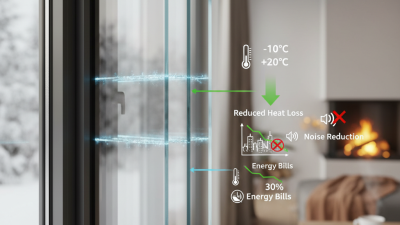
Triple glazing uses three glass panes separated by two sealed cavities. These cavities usually contain insulating gas and warm-edge spacers. The extra layer reduces heat transfer more effectively than standard double glazing, especially during cold nights. Touch the inner pane in winter; it should feel less chilly. That simple test matters.

When comparing windows, check the whole-unit U-value, not only the centre-glass figure. A lower U-value generally indicates better insulation, but frame quality and installation also affect performance. Look for verified test data, suitable gaskets, and correctly sealed joints. Poor fitting can leave narrow gaps around the frame, allowing draughts and moisture to enter. Triple glazing can also reduce outside noise, although glass thickness and frame design influence the result.

Consider sunlight before choosing heavily insulated glass. A north-facing room may benefit from maximum heat retention, while a sunny south-facing room could overheat in summer. Check solar-gain and light-transmission figures with a qualified installer. Triple-glazed units are heavier, so existing frames and hinges need inspection. They may require stronger supports. In one renovation, the glass performed well, but an undersized frame caused adjustment problems. That was a useful reminder: advanced glass cannot correct a weak installation. Condensation should also be assessed carefully, because ventilation remains essential in an airtight home.

Assessing Your Home’s Needs and Window Performance Requirements

Buying triple glazed windows should begin with your home's actual weaknesses, not a sales brochure. Walk through each room on a cold morning. Note draughts, street noise, damp corners, and fading near sunny glass. Tip 1: Map window orientation and room use. South-facing rooms may overheat, while north-facing rooms need stronger heat retention. Tip 2: Check wall construction and existing insulation. Excellent glass cannot fix a poorly insulated window reveal. Tip 3: Ask a qualified surveyor to inspect ventilation and condensation risks. Tighter windows may expose hidden moisture problems.

Tip 4: Compare the whole-window U-value, not only the centre-glass figure. Tip 5: Check solar-control performance for large, sunny windows. Tip 6: Consider acoustic ratings if buses, trains, or traffic pass nearby. Tip 7: Review frame depth, opening style, and cleaning access. A heavy unit may be awkward on an upper floor. Small details matter.

Tip 8: Request installation details, including airtightness and sealing methods. Poor fitting can waste much of the window’s theoretical performance. Tip 9: Allow space for blinds, curtains, and internal finishes. Tip 10: Compare estimated energy savings with the complete installed cost. My first instinct was to choose the highest specification, but that was not always sensible. Sometimes, better ventilation or wall insulation delivers greater comfort for less money. Ask for measured evidence, not impressive promises. Consider the details carefully.

Comparing Glass Configurations, Frame Materials, and Energy Ratings

Buying triple glazed windows starts with the glass configuration, not the pane count. Three panes can reduce heat transfer, but performance depends on cavity depth, low-emissivity coatings, and gas filling. The U.S. Department of Energy reports that windows can cause 25–30% of residential heating and cooling energy use. A well-designed triple unit may reduce that loss, but installation quality still matters.

Check the NFRC label for U-factor, solar heat gain coefficient, visible transmittance, and air leakage. Lower U-factor usually means better insulation. However, a very low SHGC may block useful winter sunlight. Climate and window direction should guide the choice. Frame material also changes results. Insulated fiberglass and quality vinyl generally limit thermal bridging. Wood performs well when protected from moisture. Aluminum needs a strong thermal break, or the frame can feel cold beside the glass. I still check the sill.

Do not compare ratings from different standards without care. NFRC ratings help create a consistent comparison, while ENERGY STAR criteria vary by climate zone and are updated over time. The International Energy Agency also identifies efficient windows as an important part of reducing building energy demand. Ask for whole-window figures, not center-of-glass claims. Spacer design, edge seals, and installation gaps can weaken excellent glass. A 2023 field study might look impressive, but one house cannot represent every climate. That judgment is imperfect. Check condensation risk, local weather, and installer experience before choosing the highest-rated unit.

10 Tips for Buying Triple Glazed Windows

Comparing glass configurations, frame materials, and energy ratings

How to read the chart: Lower U-factor values indicate better insulation and reduced heat transfer. These representative values reflect common whole-window performance ranges; actual results vary with frame material, spacer design, window size, and certification.

Checking Installation Quality, Ventilation, and Building Compatibility

10 Tips for Buying Triple Glazed Windows

Triple glazing can improve comfort, but installation quality determines much of its performance. Ask how the installer checks each frame for level, plumb, and square alignment. Small gaps matter. Fixings should suit the wall structure, not just the window frame. Expanding tapes, internal seals, and external weather seals must connect continuously around the opening. Drainage channels should remain clear after fitting. Request photographs before the internal trims hide the joints.

A well-sealed window changes indoor airflow. Check whether the design includes background ventilation, such as controllable trickle vents, where required. Kitchen and bathroom extraction must still work effectively. Without balanced ventilation, moisture may collect on colder walls or behind furniture. A simple humidity monitor can reveal problems that are invisible during a showroom visit. I once focused too heavily on glass insulation and overlooked airflow. That was an expensive lesson.

Building compatibility needs careful assessment before ordering. Confirm the wall thickness, opening size, sill position, lintel condition, and exterior finishing details. Heavy triple glazed units may require stronger hardware and suitable structural support. Older buildings can behave differently from new, airtight homes. Ask for written installation specifications and evidence of relevant training or certification. Measure twice. Also check how the warranty handles movement, condensation, failed seals, and remedial work. A polished frame is not proof of a sound installation.

10 Tips for Buying Triple Glazed Windows — Checking Installation Quality, Ventilation, and Building Compatibility
No. Evaluation Area What to Check Useful Reference or Requirement Recommended Action
1 Whole-Window U-Value Review the U-value for the complete window, including glazing, frame, spacers, and edge components—not only the center-glass value. A lower U-value indicates lower heat transfer. The appropriate target depends on local energy codes, climate, orientation, and the rest of the building envelope. Request a product datasheet showing the tested or calculated whole-window U-value in consistent units.
2 Solar Heat Gain Compare the solar heat gain coefficient or g-value with the room orientation, shading, and cooling requirements. Lower solar gain can reduce summer overheating, while higher solar gain may be useful for some south-facing windows in cold climates. Use different specifications where necessary for sun-exposed, shaded, and north-facing elevations.
3 Glass Configuration Confirm the glass thicknesses, pane spacing, low-emissivity coatings, gas fill, spacer type, and safety-glass requirements. Triple glazing normally has three panes and two sealed cavities. Argon-filled cavities are common; krypton may be used in narrower gaps but should be independently specified. Check that the proposed configuration matches the declared thermal, acoustic, safety, and solar-performance values.
4 Frame and Structural Fit Assess frame material, sash weight, hardware capacity, opening size, sill condition, and the wall’s ability to support the heavier unit. Triple-glazed units are generally heavier than double-glazed units. The opening and support details must be suitable for the calculated dead load and wind load. Require a site survey and written confirmation of maximum sizes, fixing points, and structural support requirements.
5 Installation Quality Look for a level, plumb, and square installation; continuous perimeter sealing; correct packers; secure fixings; and properly supported sills. The installation should control water, air, and vapor movement while allowing suitable movement between the window and the surrounding wall. Use a documented installation method and inspect the frame before internal and external finishes conceal the joints.
6 Air Tightness and Weather Sealing Verify the continuity of interior air seals, exterior weather seals, sill drainage, flashing, and any cavity-tray connections. A high-performance window cannot compensate for gaps around the frame. Unsealed interfaces can cause drafts, water penetration, heat loss, and condensation risk. Specify compatible tapes, membranes, sealants, and expanding products, and avoid blocking designed drainage paths.
7 Ventilation Strategy Determine how the rooms will receive background ventilation after replacing less airtight windows. Possible solutions include mechanical ventilation, passive air inlets, or approved trickle vents. Ventilation must comply with local building requirements and should not rely on uncontrolled drafts. Coordinate window selection with the building’s ventilation design, especially in kitchens, bathrooms, bedrooms, and highly airtight homes.
8 Condensation and Moisture Evaluate interior surface temperatures, indoor humidity, thermal bridges, reveals, lintels, sills, and junctions with the wall. Better glazing can move the coldest surface to the frame, wall edge, or another thermal bridge. Condensation depends on surface temperature, indoor humidity, and air movement. Ask for a junction assessment where the building is exposed, highly insulated, or prone to damp and mold.
9 Building Compatibility Check compatibility with masonry, timber, metal-frame, cavity-wall, solid-wall, and older buildings, including moisture behavior and facade details. Replacement windows should preserve or improve the wall’s weather resistance, drainage, fire performance, acoustic needs, and thermal continuity. Use details designed for the specific wall construction rather than applying a generic replacement method.
10 Testing, Certification, and Handover Review evidence for thermal performance, air leakage, water tightness, wind resistance, safety glazing, acoustic performance, and installation workmanship. Test methods and required ratings vary by jurisdiction. Product performance does not automatically prove installation performance. Include inspection records, operating instructions, maintenance guidance, adjustment details, drainage checks, and warranty terms in the handover package.

Evaluating Quotes, Warranties, Maintenance, and Long-Term Value

10 Tips for Buying Triple Glazed Windows

A strong quote should show glass specification, spacer type, frame material, installation costs, and disposal fees. Ask for the whole price in writing. The U.S. Department of Energy states that windows can cause 25–30% of household heating and cooling energy use. Therefore, compare U-factor and solar heat gain coefficient, not only the number of panes. NFRC guidance confirms that lower U-factor values indicate better insulation. A cheaper quote may hide weaker seals or poor installation.

Check the warranty carefully. It should cover glass failure, frame defects, hardware, labour, and transfer to a future owner. Ask who handles repairs. That detail matters. Energy Saving Trust guidance links efficient glazing with lower heat loss, but savings depend on the home, climate, and heating system. Be cautious with dramatic payback promises. They often ignore installation quality. Maintenance should include cleaning drainage channels, checking seals, and lubricating moving parts. Request written instructions and expected replacement costs for hinges or handles. Long-term value also includes comfort, condensation control, noise reduction, and resale appeal. Triple glazing is not automatically the best choice. In some homes, extra weight, limited sunlight, or poor ventilation can reduce its value. I would compare three detailed quotes, then revisit each assumption before signing.