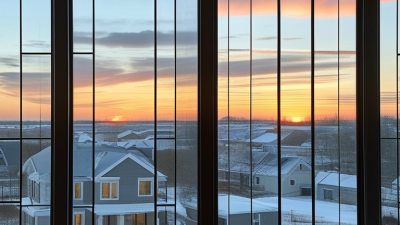
What Are the Top Types of Fixed Window Systems?
Fixed windows do not open, but they can bring generous daylight, clear views, and a clean architectural profile to a room. The best choice depends on more than appearance. Wall size, frame material, glazing, climate, and nearby ventilation all matter. That simplicity matters. Because the sash stays fixed, these units can often accommodate broad glass areas, though performance still depends on the complete window assembly and its installation.
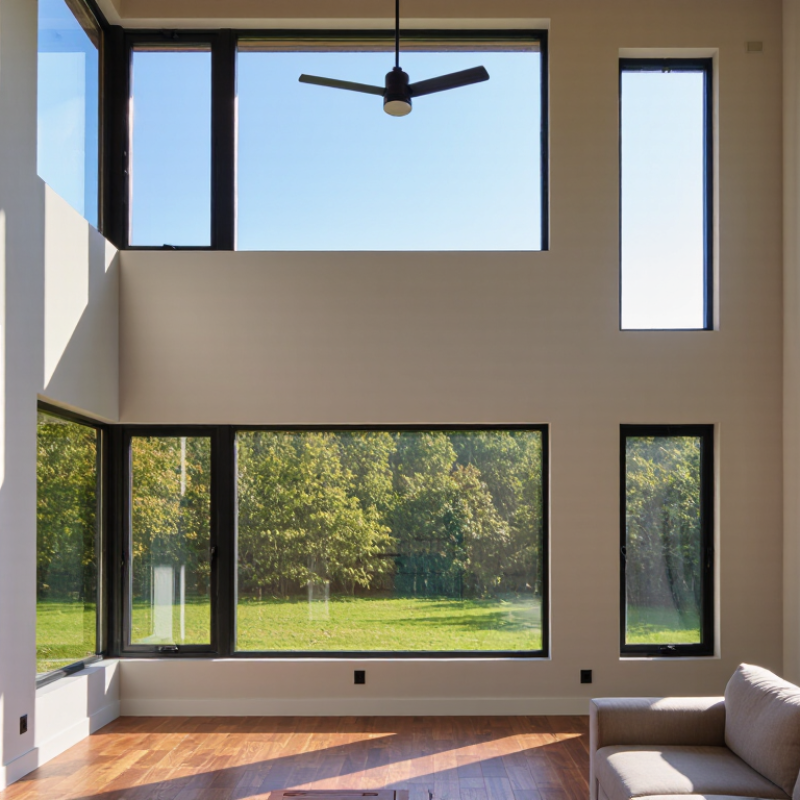
Common fixed window systems include picture windows, transom windows, clerestory windows, corner windows, and custom-shaped designs. Picture windows suit living rooms and other spaces where an unobstructed view is the priority. Transom and clerestory windows sit higher on a wall, directing daylight deeper into a room while preserving privacy. Corner units can connect views across two walls, but require careful structural planning. Arched, circular, and triangular windows add character; they may also call for specialized frames or glazing. Small details matter.
This guide compares these types by their typical placement, visual effect, and practical considerations. It also considers frame choices, glass performance, and how fixed units work alongside operable windows for fresh air. Check product specifications rather than assuming every large window performs alike. Installation quality matters, too. A well-chosen design can brighten a home and complement its architecture, but no single type fits every room. Some trade-offs are easy to overlook until the light changes through the day.
Core Design and Operation of Fixed Window Systems
A fixed window is a glazed opening designed to stay closed. It brings daylight and views indoors, but it does not provide ventilation. Its basic parts are the frame, glass unit, glazing seals, and connection to the surrounding wall. The frame supports the glass and transfers its weight to the building structure. Seals help limit air and water entry around the edges. Simple in appearance, perhaps. Yet small installation gaps can affect comfort and performance.
The glass may be single-pane or insulated, depending on climate, noise, and energy needs. Insulated units use two or more panes separated by a sealed space. Low-emissivity coatings can reduce heat transfer while still allowing daylight through. Frame materials also influence insulation, upkeep, and how much glass the opening can support.
During installation, fit matters: installers check the opening, secure the frame, and seal the perimeter without blocking intended drainage paths. A neat bead of sealant is not proof of a sound installation. Details vary by wall type and product design, so project specifications should guide the work.
One detail is easy to overlook: large panes can make a room feel brighter, but they may also increase glare or solar heat. That trade-off deserves attention.
Common Shapes and Configurations of Fixed Windows
Fixed windows are stationary glazed units, but their shapes can change a room’s character. A broad picture window frames a garden or skyline, while a narrow clerestory brings daylight above eye level. Arched, circular, triangular, and trapezoidal units suit stairwells, gables, and other awkward spaces. A quiet choice.
Configurations matter as much as outlines. One large pane creates a clean view; paired or grouped units add rhythm across a wide wall. Transoms can sit above doors or other windows, lifting light deeper into a room. The U.S. Department of Energy’s Energy Saver guidance estimates that window heat gain and loss account for 25%–30% of residential heating and cooling energy use. That makes glass area, orientation, and frame details practical design decisions, not just styling choices.
For performance comparisons, the National Fenestration Rating Council’s ratings report whole-product U-factor and solar heat gain coefficient, useful figures when reviewing proposed units. South- or west-facing expanses may admit substantial sun, while shaded north-facing glazing behaves differently. Fixed units usually avoid the moving joints found in operable windows, but installation still matters: an uneven opening or poorly sealed perimeter can undermine the detail. Real walls are rarely perfect. A site check helps confirm that custom shapes fit both the framing and the intended view.
What Are the Top Types of Fixed Window Systems?
Common shapes and configurations, compared by the number of glazed panels in a representative layout.
Fixed windows do not open. A picture window, transom, clerestory, or shaped unit can be made as a single glazed panel; a window-wall configuration may combine several fixed panels. Actual panel counts vary by design.
Frame Material Types for Fixed Window Systems
Fixed-window frames are commonly made from vinyl, aluminum, fiberglass, wood, or combinations of materials. Each affects insulation, upkeep, appearance, and cost. Vinyl resists moisture and needs little maintenance, but color choices and stiffness can vary. Aluminum allows slim sightlines and a clean, modern look. Yet metal conducts heat, so thermal breaks matter in very hot or cold climates. Fiberglass stays dimensionally stable through temperature swings, though it may cost more and offer fewer finish options. Wood brings natural warmth and can be painted, but exposed finishes need regular attention.
The right frame depends on the room and wall, not just a product label. In a sunny living room, consider how the frame and glass affect heat gain. For a large picture window, ask about reinforcement and tested size limits. Wood-clad or composite frames may reduce exterior maintenance while preserving a wood interior, but construction details differ. Check corners, drainage paths, and installation requirements. Small details matter. A strong frame can still perform poorly if the opening is measured or sealed incorrectly.
Tips: Compare whole-window performance ratings, not frame material alone. Ask how often finishes need care and whether replacement parts are available. If unsure, share photos of the opening and local weather conditions with a qualified window professional. No material is perfect; trade-offs may become clearer after years of cleaning, sun exposure, and seasonal temperature changes.
Glazing Types and Their Performance Characteristics
Fixed windows do not open, so glazing plays a major role in comfort, daylight, and energy use. Single-pane glass is inexpensive and clear, but offers little insulation. It may suit mild climates or interior partitions, though it often feels cold near the glass in winter.
Double glazing uses two panes separated by a sealed air or gas-filled space. This gap reduces heat transfer and can soften outdoor noise. Low-emissivity coatings reflect some heat while allowing visible light through; the right coating depends on climate, orientation, and desired daylight. A sunny south-facing room may benefit from different solar heat control than a shaded north-facing one. Numbers matter: compare whole-window U-factor and solar heat gain coefficient, not just glass claims. Details matter.
Triple glazing adds another pane and can improve insulation, especially in cold regions. It also adds weight and cost, and may reduce incoming light slightly. Laminated glass, made with a bonded interlayer, helps hold fragments together after breakage and can reduce sound transmission. Tempered glass is heat-treated for greater impact resistance, but it breaks differently and is not interchangeable with every safety-glazing application. Check local project requirements with a qualified professional.
No glazing choice fixes a poorly sealed frame. Even excellent glass can underperform if installation leaves gaps, or if condensation forms at cold edges. I would compare samples in the actual room, at different times of day. It is easy to underestimate glare. The best specification balances insulation, solar control, safety, appearance, and budget rather than chasing one impressive rating.
How to Choose a Fixed Window System for a Building
Choosing a fixed window system begins with the building’s climate, orientation, and purpose for each opening. A south-facing room may benefit from winter sun, while west-facing glass can bring uncomfortable afternoon heat. Fixed units do not open for ventilation, so pair them with operable windows or a separate ventilation plan where fresh air is needed. A beautiful view is not enough.
Compare whole-window U-factor, solar heat gain coefficient, visible transmittance, and frame performance—not glass specifications alone. The U.S. Department of Energy’s Energy Saver guidance estimates that windows overall account for 25–30% of residential heating and cooling energy use. That figure is not specific to fixed units, but it shows why glazing and installation deserve attention. Double or triple glazing, low-emissivity coatings, and insulated frames can help, depending on local conditions. Lower heat transfer is not automatically the best choice; too little solar gain can leave a sunny room dim or cold.
Check the wall opening, sill drainage, and perimeter insulation before ordering. A narrow frame can maximize glass area, yet a poorly sealed joint may undermine that advantage. Ask the design team to review condensation risk and cleaning access, especially for high or exterior-facing panes. Details matter. And specifications can look precise on paper while the finished room still feels wrong, so review sample locations and expected daylight with the people who will use the space.