1800 84 90 84 sale@doornosh.com

Top 10 Awning Window Systems for Global Buyers

Choosing among awning window systems involves more than comparing frame styles or opening mechanisms. Global buyers must consider ventilation, weather exposure, installation conditions, and the availability of compatible hardware. A window that performs well in a sheltered apartment may need different specifications in a coastal home or a building exposed to heavy rain. Small details matter: gasket design, hinge quality, screen fit, and the way the sash opens above a sink or countertop.

This guide introduces ten systems for buyers comparing options across different projects and markets. It considers practical features such as frame materials, glazing choices, operation, maintenance, and suitability for common building needs. Product names and specifications can vary by supplier, so confirm dimensions, performance data, and warranty terms before ordering. Ask for clear drawings and written specifications. They help prevent costly surprises during installation. No single system suits every project, and product descriptions do not replace qualified technical advice. That limitation is worth keeping in view. The comparisons here are a starting point, not a final verdict. A careful buyer should weigh the building’s climate, local installation practices, budget, and long-term service requirements. Even a well-made window can disappoint if it is poorly sized or installed. The right choice is usually the one that fits the opening, the conditions, and the people who will use it every day.
Top 10 Awning Window Systems for Global Buyers

Awning Window Systems: Definition, Structure, and Core Operating Principles

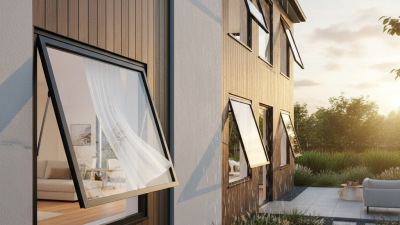
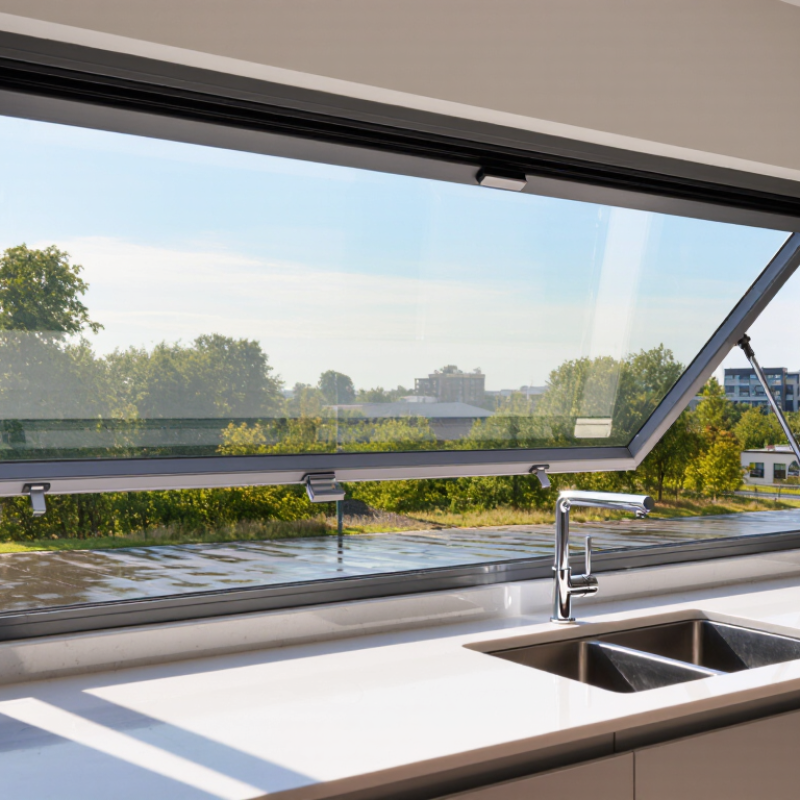
An awning window is hinged along its top edge. A crank or concealed operator pushes the lower sash outward, creating a sheltered opening for ventilation. Its main parts are the frame, glazed sash, hinges, locking points, seals, and drainage paths. When closed, compression seals help limit air leakage; when opened, the sash directs airflow through the gap. Screens are commonly fitted inside because the sash swings outward.

The U.S. Department of Energy’s Energy Saver guidance estimates that heat gain and loss through windows account for 25–30% of residential heating and cooling energy use. That figure covers windows generally, not awning units alone.

For buyers, compare whole-window U-factor and solar heat gain coefficient, rather than glass claims in isolation. Check tested ratings, frame material, hardware load, and installation details.

Small details matter. A weak sill connection can undermine a well-rated unit, while wind-driven rain may still enter an open window. Drawings rarely show that clearly. It is worth asking suppliers how the assembly drains, seals, and performs at the project’s actual size.

Key Performance Criteria for Comparing Global Awning Window Systems

When comparing the top 10 awning window systems, start with measured performance, not appearance. Check air leakage, water resistance, wind-load capacity, and thermal insulation. These figures should come from recognized laboratory testing, not only supplier brochures. A reliable system should maintain compression around the sash after repeated opening cycles. Test the handle and hinges, too. Small hardware failures create large maintenance problems.

Glass selection changes the result significantly. Low-emissivity glazing can reduce heat transfer, while solar-control glass may limit overheating in bright climates. Compare U-values and solar heat gain coefficients for the complete window, not the glass alone. A low U-value can still mislead. Frame material, spacer design, and installation quality matter. In coastal areas, corrosion-resistant hardware deserves close attention. In dusty regions, drainage paths must remain accessible. I would also examine replacement seals, local service capacity, and spare-part availability before ordering.

Global buyers should match performance data with local weather and building requirements. A window tested for moderate rain may perform differently during driving storms. Ask for full test reports, product tolerances, and installation instructions. Independent verification adds confidence. Warranty language needs careful reading, especially when projects cross borders. Some systems look excellent on paper but prove difficult to install. That is worth admitting. A practical comparison should include delivery packaging, installer training, cleaning access, and the cost of correcting imperfect installation.

Top 10 Awning Window Systems by Design, Materials, and Application

Awning window systems differ most in design, material, and intended use. The top ten options usually include top-hinged aluminum frames, thermally broken aluminum, uPVC units, timber frames, hybrid wood-aluminum designs, fiberglass frames, narrow-profile systems, insulated-glass models, chain-operated windows, and solar-control configurations. Each choice solves a different problem. None is perfect.

For hot climates, thermally broken aluminum reduces heat transfer while preserving slim sightlines. uPVC performs well in residential rooms and needs limited maintenance. Timber offers warmth and strong insulation, but exposed edges require careful sealing.

Fiberglass resists swelling and suits humid locations. Coastal projects need corrosion-resistant hardware, sealed fasteners, and dependable drainage paths. A small blocked weep hole can create a serious service issue.

Application should guide the final selection. Kitchens and bathrooms benefit from outward ventilation and moisture-resistant frames. High-level awning windows can improve airflow without sacrificing privacy. In windy regions, laminated glass, multi-point locking, and tested weather seals deserve close attention.

Chain actuators support hard-to-reach openings, while manual handles remain practical for regular access. In offices, low-emissivity glazing can reduce glare, though it may weaken daylight if specified carelessly.

Field measurements matter more than attractive catalog drawings. A reliable system also needs trained installation, correct flashing, and periodic gasket inspection. Even a premium window can underperform when the surrounding wall is poorly prepared.

Regional Standards, Climate Suitability, and Installation Considerations

Top 10 Awning Window Systems for Global Buyers

Regional Standards, Climate Suitability, and Installation Considerations

For global buyers, the top ten awning window systems should be compared by performance, not appearance alone. Each system must match local codes, wind ratings, drainage rules, and energy requirements. In practice, regional standards differ sharply. A design accepted in one market may need stronger hinges, safer glazing, or different ventilation controls elsewhere.

Warm-climate projects benefit from wide openings, insect screens, and corrosion-resistant hardware. Coastal buildings need sealed joints and stainless fasteners. Cold regions require low-conductivity frames, insulated glass, and dependable weather seals. Air leakage matters. High rainfall demands a sloped sill and clear drainage paths. I have seen attractive windows fail because water collected behind the frame.

Installation quality can change the rated performance. Measure the rough opening carefully, including wall movement and insulation space. Confirm the sill is level before fixing the frame. Use compatible flashing, membranes, and sealants for the local climate. Small errors become expensive.

No ranking stays universal. A high-wind system may be excessive for a sheltered inland home, while a light residential model may struggle on an exposed tower. I once underestimated thermal movement around a large opening, and the seal later required adjustment. That experience still influences my inspections. Buyers should request test reports, maintenance instructions, replacement-part availability, and installer qualifications before approval. Not every system fits.

Top 10 Awning Window Systems for Global Buyers

Indicative climate versatility index (1–5) for common awning window configurations

Scores are comparative planning estimates, not test results or certifications. Actual suitability depends on local wind and water-penetration requirements, glazing, hardware, frame specifications, and installation quality. Confirm applicable regional codes and product ratings before specifying a system.

Pricing, Maintenance, Warranty, and Supplier Evaluation for International Buyers

For global buyers, awning window pricing should be compared beyond the unit cost.

Request a detailed quotation covering frame material, glass, hardware, screens, packaging, and delivery.

A low price may exclude corrosion-resistant fittings or export-safe protection. Ask for sample calculations based on one standard window size. This exposes hidden differences.

Maintenance needs practical testing.

Check whether hinges, handles, seals, and friction stays are replaceable locally. A window installed near the coast may need stronger corrosion protection and more frequent cleaning.

Request cleaning instructions, spare-part codes, and recommended inspection intervals. Keep the language clear. Vague manuals create expensive mistakes.

Warranty terms deserve careful reading.

Confirm coverage periods, exclusions, labor responsibility, and the process for reporting defects with photographs.

A reliable supplier should provide test reports, production records, and references from comparable climates. Evaluate factory capacity, quality controls, lead times, and communication speed.

Video inspections can help, but they cannot replace independent checks. I have found that supplier promises sometimes sound stronger than the written warranty. That gap matters.

Use a purchase specification, approve a pre-shipment sample, and record every agreed detail before payment.