Choosing among window replacement solutions is not simply a matter of selecting attractive glass. The right decision affects indoor comfort, energy use, noise control, moisture protection, and long-term maintenance. A poorly fitted window can leave cold drafts around the frame, even when the product itself performs well. That detail matters.
Building scientist Joseph Lstiburek offers a useful reminder: “A window is a hole in the wall.” His observation explains why installation quality deserves equal attention. Experienced contractors inspect the rough opening, flashing, sill condition, drainage path, and surrounding insulation before recommending replacement products. They also consider climate, wall construction, window orientation, and the building’s existing ventilation.
Strong window replacement solutions should match the property, not merely follow a sales trend. Vinyl, fiberglass, wood, and composite frames each offer different advantages. Low-emissivity coatings, insulated glass, warm-edge spacers, and proper air sealing can improve performance. However, labels alone do not guarantee results. Product ratings, installer credentials, warranty terms, and independent reviews deserve careful checking.
Real homes reveal complications that brochures often miss. A historic house may need careful trim preservation. A coastal property may require stronger corrosion resistance. An older home may also contain hidden water damage. These conditions can change the budget and timeline.
There is no universal winner. The most reliable choice combines verified performance, skilled installation, and realistic expectations. Some recommendations may still prove imperfect after one winter. That is worth acknowledging. Careful measurement, documented inspections, and advice from qualified professionals create a more dependable path toward comfortable, durable windows.
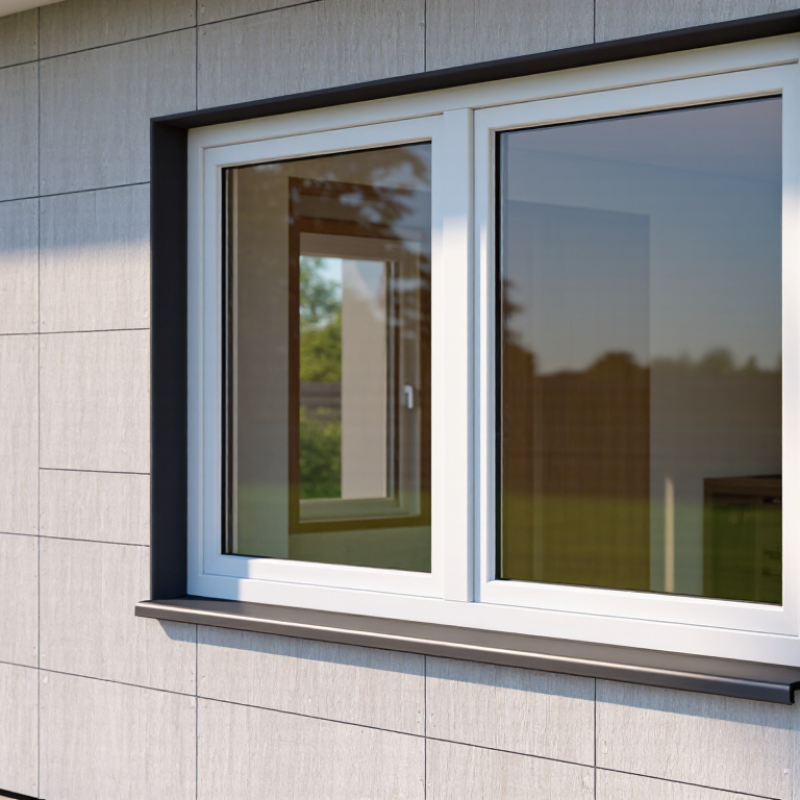
A good window replacement solution starts with the problem, not the product. Check for air leaks, condensation between glass panes, soft wood, difficult operation, and rising energy bills. A draft near the frame may indicate poor installation, while foggy glass usually signals failed seals. Replacement is not always the smartest answer. Sometimes, weatherstripping or hardware repair solves the real issue.
The U.S. Department of Energy estimates that windows can account for 25% to 30% of a home’s heating and cooling energy use. That figure makes performance important, but climate changes the decision. In cold regions, prioritize a low U-factor. In sunny regions, compare the Solar Heat Gain Coefficient, or SHGC. The National Fenestration Rating Council recommends using certified labels to compare these values. Inspect the wall condition too. A beautiful new window cannot correct hidden moisture damage.
Tips: Start with a room-by-room inspection. Photograph damaged frames and note morning condensation. Ask for whole-window performance data, not glass-only claims. The 2024 Cost vs Value Report indicates that vinyl window replacement typically recovers roughly two-thirds of its cost at resale. Still, resale value should not lead every decision. Comfort, noise, ventilation, and installation quality may matter more. A rushed estimate can miss the smallest gap—and the largest expense.
| Replacement Need | Common Signs | Recommended Window Solution | Important Performance Data | Advantages | Limitations or Trade-Offs |
|---|---|---|---|---|---|
| Cold drafts and high winter heating bills | Air movement near the frame, cold interior glass, condensation around the edges, or noticeably uneven room temperatures. | Double- or triple-glazed low-emissivity windows with insulated frames and professionally sealed installation. | Prioritize a low U-factor. A typical high-performance target is approximately 0.20–0.30 Btu/h·ft²·°F, depending on climate and product design. Select a low air-leakage rating when available. | Improves interior comfort and reduces heat transfer through the glass and frame. | Triple glazing can increase weight, cost, and frame depth; it may not provide the best value in every climate. |
| Overheating and excessive summer cooling demand | Hot rooms near sunny windows, fading furnishings, glare, or air-conditioning running frequently during sunny periods. | Low-emissivity glazing selected for the local climate, orientation, and shading conditions; add exterior shading where practical. | Choose a lower solar heat gain coefficient, or SHGC, for strong summer sun. SHGC is expressed from 0 to 1; lower values admit less solar heat. | Can reduce unwanted solar heat gain and improve comfort in sun-exposed rooms. | Very low SHGC can reduce beneficial winter solar heat and visible daylight, especially on shaded or north-facing elevations. |
| Insufficient daylight or dark interiors | Rooms require electric lighting during the day, or replacement glazing appears noticeably darker than the original glass. | Clear or neutral low-emissivity glazing with a high visible transmittance, while still meeting thermal and solar-control requirements. | Visible transmittance, or VT, ranges from 0 to 1. Higher VT generally provides more daylight; compare products with similar U-factor and SHGC values. | Maintains a brighter interior and may reduce daytime lighting needs. | Higher daylight transmission may allow more glare or solar heat unless shading is also addressed. |
| Outside noise and reduced acoustic comfort | Traffic, aircraft, construction, or neighborhood sounds are clearly audible indoors, particularly through older single-pane units. | Laminated glass, dissimilar glass thicknesses, insulated glazing, and tightly sealed frames; address wall and air gaps as well as the window itself. | Compare laboratory acoustic ratings such as STC and OITC when provided. Higher ratings indicate better tested sound reduction, but installation quality remains important. | Can reduce outdoor sound transmission and improve perceived privacy. | No window eliminates all noise. Acoustic glass may add weight and cost, and low-frequency sounds can remain difficult to block. |
| Condensation, moisture, or fogged glass | Persistent fog between panes, water on interior surfaces, damaged sealant, or visible deterioration around the opening. | Replace failed insulated glass units when the frame is sound; replace the complete window when the frame, sill, or surrounding opening is deteriorated. | Look for insulated glazing with durable edge seals and an appropriate U-factor. Interior condensation can also result from high indoor humidity or poor ventilation. | Restores visibility and can reduce moisture-related damage when the underlying cause is corrected. | Replacement glass alone will not solve bulk-water intrusion, roof runoff, plumbing leaks, or excessive indoor humidity. |
| Difficult operation or safety concerns | Sashes stick, balances fail, locks do not engage, hinges are damaged, or emergency egress is restricted. | Select an operating style that matches the room: casement or awning units provide ventilation control, while sliding or single-hung units can suit limited spaces. | Verify clear opening dimensions for emergency escape and rescue where required by local code. Confirm hardware reach, opening force, and insect-screen compatibility. | Improves ventilation, usability, maintenance access, and occupant safety. | Some operating styles require exterior clearance, and larger operable units may need stronger hardware and more maintenance. |
| Low maintenance and long-term durability | Rotting wood, peeling paint, corrosion, brittle seals, or repeated repair requirements. | Choose a frame material based on exposure, appearance, maintenance expectations, and budget: vinyl, fiberglass, composite, aluminum, or wood-clad systems each have different characteristics. | Evaluate frame drainage, weather seals, corrosion resistance, glass retention, finish quality, and published service and maintenance requirements. | Can reduce painting and repair frequency when the frame and installation are suited to local weather conditions. | Lower-maintenance materials may have different appearance, expansion behavior, repairability, or initial cost than traditional wood. |
| Historic appearance or architectural matching | Existing divided-light proportions, distinctive trim, unusual shapes, or preservation requirements. | Use a custom-sized unit or carefully planned sash-only replacement when the existing frame is sound; preserve exterior trim where feasible. | Balance appearance with U-factor, SHGC, VT, glazing thickness, muntin profile, and local preservation rules. | Maintains the building’s visual character while allowing targeted performance improvements. | Custom fabrication, specialty glass, and conservation-focused installation can increase lead time and project cost. |
| Evaluation Dimension | What to Check | Why It Matters |
|---|---|---|
| Climate and orientation | Local heating and cooling conditions, window direction, shade, wind exposure, and rainfall. | The best U-factor and SHGC combination depends on both climate and solar exposure. |
| Installation method | Confirm opening dimensions, sill condition, flashing, drainage, air sealing, and compatibility with existing trim. | A high-performing window can perform poorly if the opening is measured incorrectly or inadequately sealed. |
| Glass and frame performance | Compare U-factor, SHGC, VT, air leakage, glazing layers, spacer design, and frame material. | These values describe heat flow, solar gain, daylight, and resistance to unwanted air movement. |
| Building code and safety | Check local requirements for tempered glass, emergency escape, ventilation, wind resistance, and permits. | Code compliance protects occupants and helps prevent approval or inspection problems. |
| Total project value | Include product cost, labor, disposal, trim repair, interior finishing, exterior waterproofing, and future maintenance. | The lowest purchase price may not provide the lowest total cost or the best long-term performance. |
Note: Performance values and code requirements vary by climate, opening size, building design, and local regulations. Confirm final specifications using the product’s tested documentation and a qualified installation assessment.
What Is the Best Window Replacement Solution?
How to Assess Existing Windows and Building Conditions
A reliable replacement plan starts with the building, not the window catalog. Inspect each opening from inside and outside. Look for cracked glass, soft wood, staining, air leaks, and uneven gaps. Run your hand around the frame on a windy day. Cold spots often reveal hidden leakage. Small clues matter.
Check how the wall carries the window. Older masonry, wood framing, and modern cladding require different installation methods. Measure width, height, and depth at several points. Openings are rarely perfectly square. I have seen a few millimeters of variation create serious sealing problems. Moisture deserves special attention. Use a moisture meter near sills, corners, and interior trim. A high reading may indicate damaged flashing or poor drainage, not a failed window alone.
Review the building’s ventilation and heating conditions before choosing improved insulation. A tighter window can reduce drafts, but it may also expose existing humidity problems. Watch for condensation on cold mornings. Inspectors should also check local safety, energy, and emergency-exit requirements. Do not rely on appearance alone. It can mislead. A thorough assessment may reveal that limited repairs are practical, while other openings need full replacement. This judgment should be documented with photographs, measurements, and clear explanations. Mistakes happen when installers assume every opening is identical.
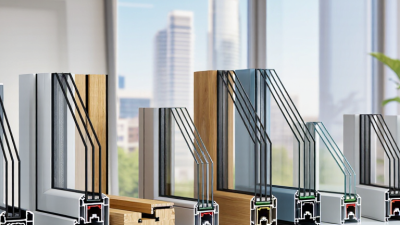
Choosing replacement windows starts with comparing materials, not admiring showroom displays. In occupied homes, I have seen material choices affect comfort, maintenance, and noise within a single season. Vinyl usually offers low maintenance and moderate cost, while wood provides warmth but needs careful finishing. Fiberglass resists movement well, and aluminum suits slim designs, though it can conduct heat unless thermally improved. The best frame depends on climate, wall exposure, and how much upkeep you will actually accept.
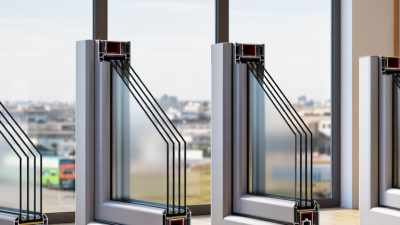
Glass deserves equal attention. Double-pane units work for many homes, but triple-pane glass can improve insulation in severe climates. Look for independent ratings, especially U-factor and solar heat gain coefficient. Lower U-factor generally means better insulation, while a lower solar gain value may reduce summer heat. Low-emissivity coatings and inert-gas fills can help, yet poor installation can erase those benefits. Ask how the glass performs beside your orientation, shading, and heating system.
Design comparisons should include operation, ventilation, cleaning access, and emergency egress. A large picture window looks bright, but it cannot provide natural ventilation. Casement windows ventilate effectively, while sliding units often need less clearance. Measure furniture, trim, and exterior drainage before approving a layout. I once underestimated afternoon glare in a south-facing room; the sample looked perfect indoors. That mistake changed how I evaluate color and glass samples. Request written installation details, product ratings, and warranty limits.
Choosing replacement windows starts with the installation method, not the frame material. An insert replacement fits inside the existing frame and usually costs less. It also creates less disruption. A full-frame replacement removes the old frame and exposes the surrounding wall. This method costs more, but it can correct hidden rot, poor insulation, or water damage. I have seen attractive windows fail because installers ignored the sill beneath them.
Request itemized quotes from at least three qualified contractors. Each quote should separate labor, materials, disposal, permits, interior repairs, and exterior finishing. Ask how the opening will be measured and sealed. A low estimate may exclude essential flashing or insulation. My first budget was wrong because I overlooked trim repairs. That mistake was expensive.
Energy performance requires more than a low price. Compare U-factor, solar heat gain coefficient, visible transmittance, and air leakage ratings. Lower U-factor usually means better insulation. However, a highly efficient window may perform poorly if installed out of square. Check the product’s independent certification and request installation references from similar homes. Consider room direction, local weather, shading, and ventilation needs. A south-facing window may need different solar control than a shaded north-facing opening. Energy savings are difficult to guarantee, so treat projected payback as an estimate, not a promise.
What Is the Best Window Replacement Solution?
How to Select and Verify the Best Replacement Solution
Selecting replacement windows should begin with the room, not a sales brochure. A south-facing bedroom may need strong solar control, while a shaded bathroom may need more daylight. Check frame condition, wall moisture, glass damage, and air movement around each opening. A professional inspection can reveal hidden rot beneath the trim.
Ask for measurable performance data, including U-factor, solar heat gain coefficient, visible transmittance, and air leakage. Lower U-factor usually means better insulation. However, the best number depends on your climate and home design. Request written specifications, installation details, and material samples. Hold a sample near the wall. Color can look different indoors.
Measure twice. Then verify.
A reliable installer should explain how the opening will be prepared, sealed, insulated, and flashed. Ask for recent local references, proof of insurance, and clear warranty terms. Visit one completed project if possible. Look closely at corner joints, interior trim, and water staining after rain. I once trusted a neat showroom sample too quickly; the installed frame looked heavier than expected. That mistake taught me to inspect full-size examples.
Do not compare prices alone. Compare the complete scope, including removal, disposal, repairs, permits, and finishing work. Get each item in writing. Independent energy guidance or a qualified building professional can help verify technical claims. If an answer sounds rushed or vague, pause before signing. A replacement solution should fit the building, the budget, and the installer’s documented process.
Compare ENERGY STAR residential window performance criteria by U.S. climate region. A lower U-factor generally indicates better insulation, while SHGC should be selected according to local solar-heat needs.
Use these values as a verification starting point when reviewing replacement-window specifications. Confirm the product’s certified NFRC ratings and ensure the selected SHGC matches the heating and cooling conditions of the project location.