Choosing the right soundproof windows is not simply a matter of buying the thickest glass. Noise travels through glass, frames, seals, walls, vents, and installation gaps. A beautiful window may still perform poorly when a small opening remains around its frame.
Building scientist Joseph Lstiburek, founder of Building Science Corporation, often reminds professionals, “Windows are holes in walls.” That simple observation matters. A window must interrupt the wall’s acoustic protection, so every component deserves attention. Look for laminated acoustic glass, unequal glass thicknesses, strong compression seals, and carefully tested sound transmission ratings. Double glazing can help, but airspace size and frame quality also influence performance.
Measure the actual noise before choosing.
Record traffic peaks, motorcycles, barking dogs, or construction sounds. Then ask manufacturers for laboratory data, preferably Sound Transmission Class and Outdoor-Indoor Transmission Class ratings. These figures are useful, but they do not perfectly predict every home. Installation quality can change the result. Even the best soundproof windows may disappoint when installers leave foam gaps, poorly aligned sashes, or unsealed trim.
Consider ventilation too. A sealed room may become uncomfortable without controlled fresh air. Your budget, climate, wall construction, and opening size should shape the decision. There is no universal winner. That part is easy to overlook.
A careful choice combines tested performance, honest site assessment, and skilled installation. Some recommendations may still need revision after real-world testing. Noise behaves unpredictably, especially in older buildings. The most reliable solution is therefore practical, measured, and slightly cautious.
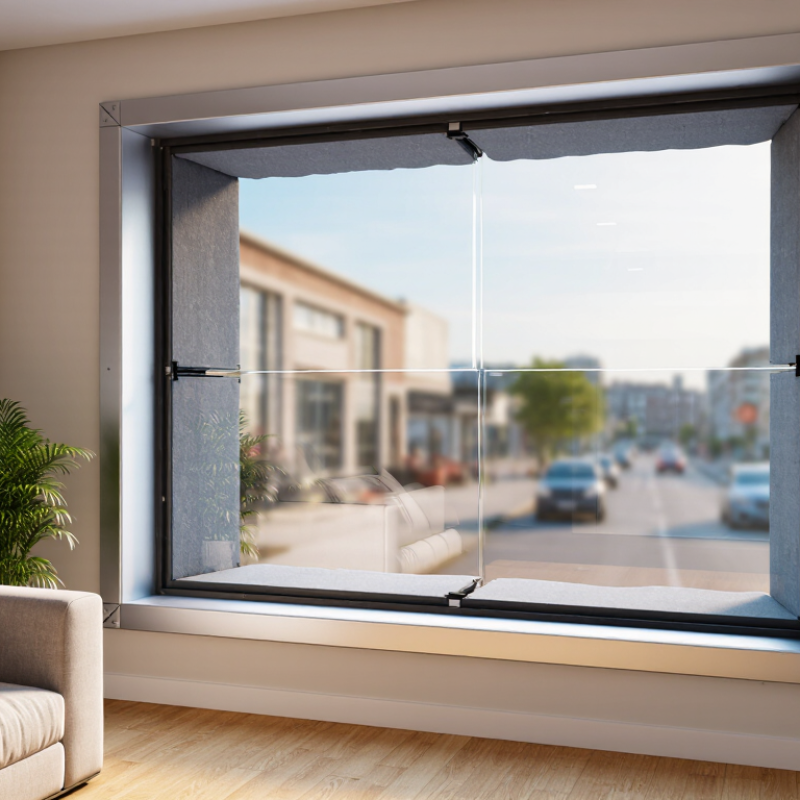
A soundproof window does not block every sound. It reduces transmission through glass, frames, seals, and installation. The key evidence is its laboratory rating. STC measures airborne sound across common indoor frequencies. OITC better reflects traffic, aircraft, and other outdoor noise. ASTM E413 and ASTM E1332 define these rating methods. A high rating helps, but it never promises silence.
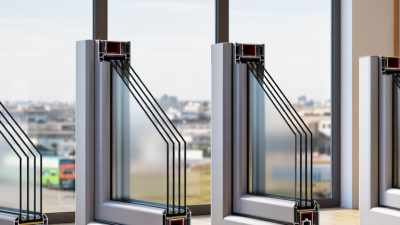
Glass thickness alone is not enough. Different pane thicknesses can reduce resonance. Laminated glass adds a sound-damping interlayer. Wider air spaces usually improve insulation. However, the frame and perimeter seal can remain weak points. During an inspection, check sash alignment, compression seals, and gaps around the opening. Tiny gaps matter. Many “soundproof” claims become less convincing here.
Noise targets also need context. The World Health Organization’s 2018 guidelines recommend road-traffic noise below 45 dB Lnight to protect sleep. The U.S. Environmental Protection Agency’s 1974 noise guideline identified 55 dBA outdoors as generally protective for residential activity. These figures describe exposure, not window performance. Measure the room, not only the street. A meter near the bed may reveal low-frequency buses that the glass rating misses. A practical mistake is trusting impressive glass while ignoring frame leakage.
How to Choose the Best Soundproof Windows
Identifying the Main Noise Sources Around Your Home
A quiet room begins with accurate noise identification. Stand outside at different times, then record what you hear indoors. Note traffic peaks, delivery trucks, aircraft, rail movement, barking dogs, construction, and nearby mechanical equipment. Low-frequency noise may feel like vibration, while sirens and voices sound sharper. A simple sound level meter can reveal patterns that casual listening misses. My first assessment was often too broad. “Street noise” is not one problem.
The European Environment Agency’s Environmental Noise in Europe 2020 report estimated that 113 million Europeans faced long-term road traffic noise above 55 dB Lden. It also reported about 22 million people experiencing severe annoyance. These figures show why traffic direction, timing, and frequency matter. For road noise, compare window ratings that address outdoor-to-indoor transmission, not only general sound reduction. STC values help with speech and mid-frequency sounds. OITC ratings are more useful for traffic and aircraft noise. Ask for tested laboratory performance.
Look closely at the whole opening. A high-performing window cannot compensate for loose frames, poor seals, vents, or thin surrounding walls. Check whether noise enters through the glass, the frame, or an adjacent wall. Measure during rush hour and late evening. This matters. The World Health Organization links excessive environmental noise with sleep disturbance and other health risks. However, laboratory ratings may not match your home perfectly. Installation quality, building structure, and wind conditions can change the result. Choose based on the dominant source, not the most impressive number.
How to Choose the Best Soundproof Windows
Glass thickness matters, but glass type often matters more. Laminated glass uses a clear acoustic layer between sheets, reducing traffic noise and sharp voices. Double glazing adds an air space, while triple glazing can improve insulation and comfort. However, thicker glass does not guarantee silence. Ask for tested sound-reduction ratings, and compare results under similar conditions.
Frames also influence performance. Rigid uPVC, timber, and aluminum frames can work well when properly designed. Aluminum may need thermal breaks in colder climates. Timber feels warm and looks natural, but it requires regular maintenance. I once focused too heavily on the glass and overlooked the frame joints. That was a costly lesson. Measure the wall opening carefully, including uneven corners and existing damage.
Tips: Check the sealing system before choosing the finish. Continuous compression seals should close evenly around the sash. Multi-point locking can improve contact, but only when adjusted correctly. Ask the installer to inspect the sill, corners, and meeting rails. Small gaps can sound surprisingly loud at night. A smoke pencil or simple paper test may reveal weak compression, though professional air-leakage testing is more reliable. Do not trust a brochure alone. Request laboratory data, installation details, and realistic expectations for your room.
Choosing soundproof windows starts with identifying the noise source. Low traffic rumble needs different protection from sharp voices or barking dogs. Note the loudest periods outside your room. Record whether the sound feels deep, sudden, or continuous. Quiet is personal.
For heavy road noise, consider laminated glass with different pane thicknesses. Its flexible inner layer can reduce vibration through the glass. Wider air spaces may also improve insulation between panes. For voices, music, and high-pitched sounds, acoustic ratings deserve close attention. Compare the window’s laboratory ratings with your actual environment. Ratings help, but they are not perfect predictions.
The frame and installation matter as much as the glass. A small gap around the frame can carry sound into a bedroom. Look for tightly sealed joints, durable weatherstripping, and professional fitting. I have seen expensive glass perform poorly because the surrounding wall was never checked. That detail is easy to miss. Ask an installer to inspect vents, cracks, and nearby doors before choosing the window. Measure twice. A quieter room may require both better glazing and improved wall sealing. Noise can also enter through ceilings, floors, or thin shared walls, so expectations should remain realistic.
Choosing soundproof windows starts with installation, not glass alone. I have seen expensive units perform poorly when installers left narrow gaps around the frame. Ask how the crew measures each opening, seals joints, and checks the wall condition. A reliable installer should explain glass thickness, air gaps, frame materials, and expected noise reduction clearly. Request written test data, but treat laboratory ratings as guidance. Real traffic noise differs from controlled testing.
Compare complete project costs, not window prices alone. Include removal, disposal, sill repairs, interior trim, sealants, and possible permits. A low quote may omit flashing or perimeter insulation. That omission can create drafts, moisture, and sound leaks. Get at least two detailed estimates. Ensure warranty terms identify who handles installation defects.
Try this practical check: stand inside during a busy hour and listen near every corner. Small leaks matter.
Long-term performance depends on maintenance and building movement. Ask whether seals, hardware, and laminated acoustic panes can be serviced separately. Inspect the finished frame for uneven reveals, cracked caulk, or a sash that rubs. Keep invoices, test documents, and installation photographs. They support future claims.
I would not trust a promise of “total silence.” Even excellent windows cannot remove roof, wall, or ventilation noise. My mistake was focusing on the highest rating and ignoring local installation experience. The quieter result came from careful sealing, not the most expensive specification.