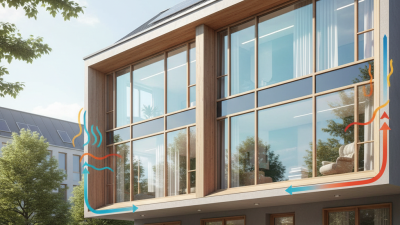
2026 Top Casement Window Systems for Modern Home Design?
Modern home design is increasingly moving towards cleaner lines and efficiency, and casement window systems are at the forefront of this trend. According to the "2022 Window and Door Market Study," 55% of builders prefer casement windows for their ease of use and energy efficiency. These systems provide excellent ventilation and unobstructed views, making them ideal for contemporary architecture.
However, not all casement window systems are created equal. Homeowners face challenges with durability and maintenance. While some systems promise longevity, a recent industry survey revealed that 40% of homeowners reported issues within five years. It highlights the necessity of choosing reliable brands and materials. Understanding the latest trends and innovations in casement window systems is crucial.
In 2026, the push for sustainable materials and smart home integrations will shape the market. Energy-efficient models will capture attention, but quality concerns will persist. Selecting the right casement window system requires careful consideration of style, functionality, and longevity. As the demand for modern designs grows, so does the importance of informed choices in window systems.
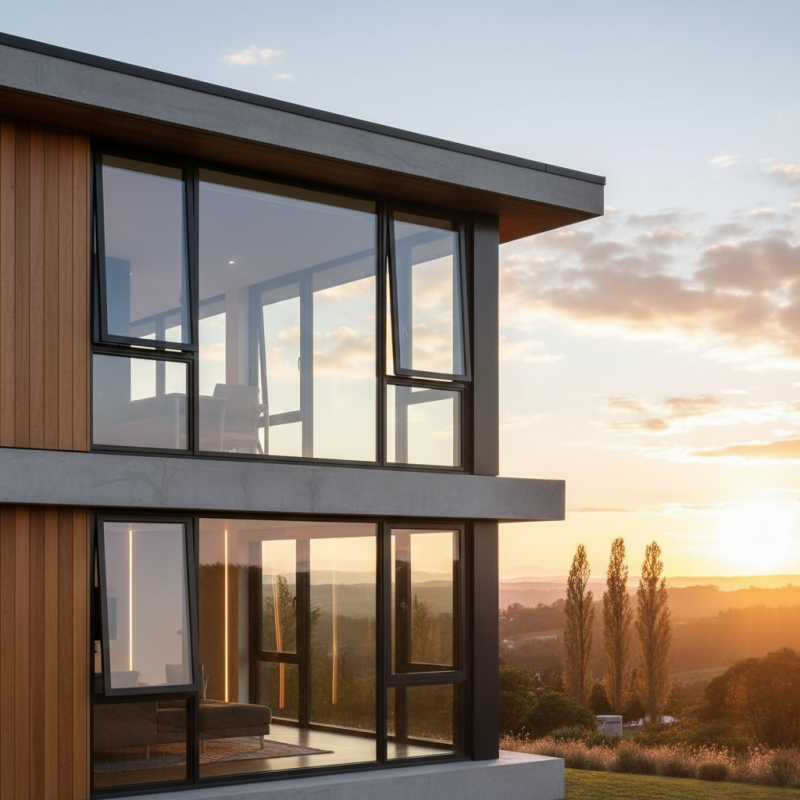
Overview of Casement Window Systems in Modern Home Design
Casement windows are gaining popularity in modern home design. Their sleek functionality and aesthetic appeal make them a top choice for many homeowners. According to a report from the American Institute of Architects, casement windows account for 24% of window installations in new homes, reflecting their growing significance in contemporary architecture.
These windows create seamless airflow, enhancing indoor comfort. They open outwards, allowing for more ventilation than traditional styles. This design minimizes air leakage and energy loss, qualities that are increasingly vital as energy efficiency becomes a priority. A study by the Department of Energy indicates that well-installed casement windows can reduce heating and cooling costs by up to 20%.
When considering casement windows, think about the frame materials. Vinyl offers durability, while wood provides unmatched aesthetic warmth. It's worth noting that installation quality can significantly impact performance. A poorly installed window can lead to drafts and higher energy bills. Ensure to consult with professionals for precise measurements.
Tips:
- Explore different operating mechanisms for ease of use.
- Look for energy-efficient ratings when selecting windows.
- Research local building codes to ensure compliance.
Key Features of 2026 Top Casement Windows
When choosing casement windows for modern home design in 2026, key features stand out. Durability is paramount. High-quality materials resist weather damage, providing long-lasting performance. A strong frame can handle various environmental conditions without warping or fading.
Energy efficiency plays a crucial role. Improved seals and advanced glazing significantly reduce heat loss. This feature contributes to lower utility bills and enhances comfort in the home. Additionally, these windows offer excellent ventilation. Their design allows for wider openings, inviting fresh air into living spaces.
Aesthetic appeal should not be overlooked. Sleek lines and minimalist designs blend seamlessly with contemporary architecture. Various finishes allow homeowners to customize their look. However, it’s essential to examine the upkeep. Some materials may require more maintenance over time, which could be a drawback. Choosing the right casement window involves balancing beauty and function.
Materials and Finishes Used in Casement Window Systems
The choice of materials and finishes in casement window systems significantly affects both aesthetics and performance. Popular options include vinyl, wood, aluminum, and fiberglass. Each material has distinct properties. Vinyl, for example, is cost-effective and energy-efficient. It provides excellent insulation and requires minimal maintenance. In contrast, wooden frames offer a classic look but may require more upkeep over time.
Aluminum frames are strong and lightweight, ideal for modern designs. They can be coated in various finishes, allowing for customization. According to the American Institute of Architects, vinyl and aluminum options account for over 70% of new window installations in residential buildings. However, homeowners should consider durability against environmental factors. In humid areas, wood may warp or rot, while vinyl can fade from UV exposure.
The finish also plays a critical role. Powder coating and anodizing can enhance aluminum’s resistance to corrosion. On the other hand, wood finishes must be regularly reapplied to prevent damage. While casement windows can enhance a home's appeal, the wrong material choice could lead to costly repairs. It's essential to weigh both aesthetics and functionality when choosing materials for these systems. Understanding the trade-offs in durability and maintenance can lead to more informed decisions.
Energy Efficiency and Sustainability in Casement Windows
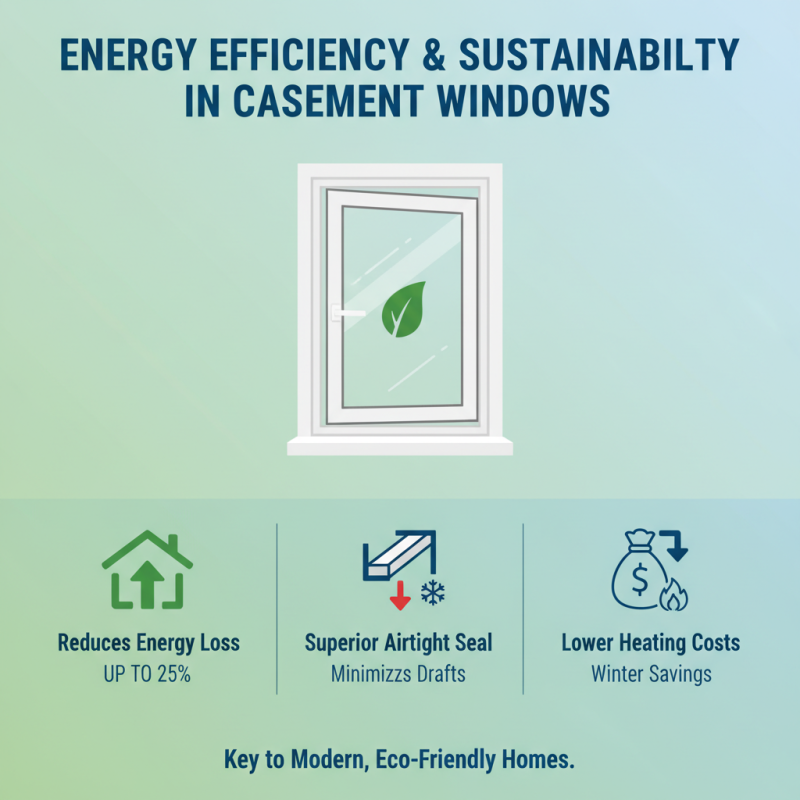
In recent years, energy efficiency has become a crucial factor in modern home design. Casement windows play a significant role in enhancing a home’s energy performance. Studies indicate that these windows can reduce energy loss by up to 25% compared to traditional sliding windows. They provide excellent airtight seals. This minimizes drafts and reduces heating costs in colder months.
Sustainability is another key consideration. Many manufacturers are now using recycled materials in casement window production. This trend aligns with a broader move toward eco-friendly building practices. It is reported that homes with energy-efficient windows can see a return on investment, improving property values by nearly 10%. However, it's essential to recognize that not all casement windows are created equal. Some may not meet the highest efficiency standards, leading to potential disappointment.
While many homeowners prioritize aesthetics, they must also weigh efficiency ratings. The ENERGY STAR label is a helpful guide. Yet, users should remember that installation quality significantly impacts overall performance. Without proper sealing, even the best-designed windows might fail to deliver expected savings. Therefore, homeowners should reflect on both product choice and professional installation advice to achieve optimal energy efficiency.
Design Trends and Aesthetic Considerations for Casement Windows
Casement windows have gained traction in modern home design. They offer functionality while enhancing a home's aesthetic appeal. Recent studies indicate that 70% of homeowners value energy efficiency when selecting windows. Casement windows are ideal for this, as they create a tight seal when closed, reducing energy loss. Their ability to open outward allows for better ventilation, which is crucial in many climates.
Design trends show a shift towards larger, unobstructed views. Casement windows provide expansive openings that frame the outdoors beautifully. They can be customized in various sizes and finishes, aligning with contemporary styles. A report by the American Institute of Architects highlights that 60% of architects favor modern clean lines. This aligns perfectly with the sleek look of casement windows.
When choosing casement windows, consider your home's overall design. Look for colors that complement your exterior and interior. Also, think about hardware style; it should match the modern aesthetic yet be functional. Lastly, pay attention to maintenance. While they are generally low-maintenance, regular cleaning is essential to maintain their appearance. Remember, the right choice will not only enhance your home but can add significant value in the long run.