1800 84 90 84 sale@doornosh.com

What Is uPVC Windows and Doors and Why Choose Them?

uPVC windows and doors have become a practical choice for homeowners, renovators, and property developers. The term uPVC means unplasticised polyvinyl chloride, a rigid material designed for long-term use. Unlike traditional timber, it does not require regular painting or sealing. Unlike many metal frames, it offers low thermal conductivity and resists corrosion. These qualities make it suitable for bedrooms, kitchens, offices, and entrance areas.

In real installations, performance depends on more than the frame itself. Accurate measurements, suitable glass, effective drainage, and careful sealing all matter. A well-fitted uPVC window should close smoothly, reduce drafts, and help maintain a more stable indoor temperature. Modern systems may include double glazing, multi-point locks, reinforced profiles, and weather-resistant gaskets. Reputable manufacturers also provide technical specifications, warranty terms, and tested performance information. These details help buyers compare products with greater confidence.

The choice is not perfect for every building. Some homeowners dislike the limited repair options or the appearance of basic white frames. Poor installation can also cause condensation, leaks, or difficult operation. That deserves attention. Before purchasing, check ventilation needs, local building requirements, frame quality, and the installer’s experience. Ask for product samples and written quotations. A trusted professional should explain both benefits and limitations clearly. This guide examines what uPVC windows and doors are, how they work, and why they remain popular. It also considers the practical compromises that buyers should understand before making a long-term investment.
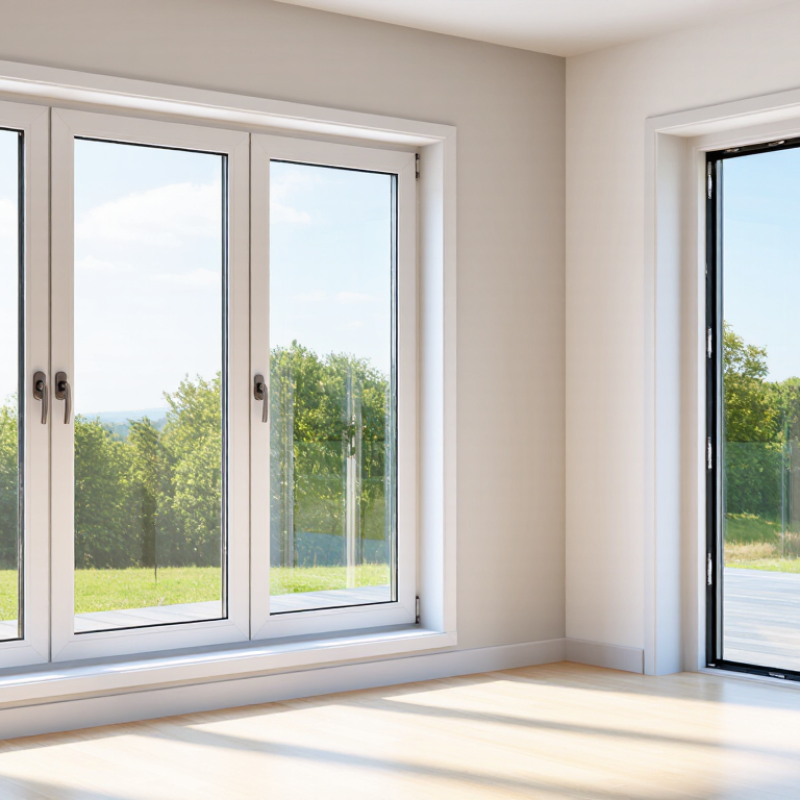
What Is uPVC Windows and Doors and Why Choose Them?

What Are uPVC Windows and Doors?

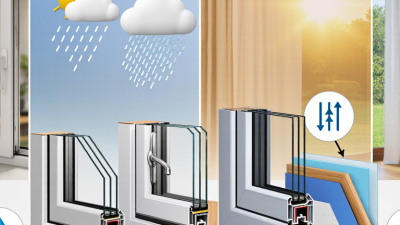
uPVC windows and doors are building openings made from unplasticized polyvinyl chloride. The material contains no added plasticizers, so it remains firm and dimensionally stable. Manufacturers shape uPVC into hollow profiles with internal chambers. These chambers improve insulation and help reduce the transfer of heat and outside noise. Glass panels, seals, hinges, handles, and locking systems complete the unit.

In practical use, uPVC frames need little routine maintenance. A damp cloth can remove dust from the smooth surface. Properly fitted seals can also reduce drafts during cold or windy weather. Many homeowners choose them for energy efficiency, moisture resistance, and consistent performance. However, the frame is not the whole product. Poor installation may cause gaps, difficult closing, or water penetration. Even a quality window can perform badly when the opening is measured incorrectly. That detail is easy to overlook.

Tips: Check the frame thickness, glazing type, drainage holes, and seal quality before buying. Ask for installation details, not only appearance photographs. In humid areas, inspect corners and joints regularly. I would also compare ventilation needs carefully, because a tightly sealed room can feel uncomfortable without planned airflow.

How Are uPVC Windows and Doors Made?

uPVC windows and doors are made from unplasticized polyvinyl chloride, a rigid material designed for long-term building use. Manufacturers blend PVC resin with stabilizers, pigments, and impact modifiers. This mixture helps the profiles resist sunlight, moisture, and seasonal temperature changes. The material is heated and pushed through a shaped extrusion die. It then passes through cooling tanks and calibration equipment. This creates the hollow chambers visible inside many frames.

After extrusion, the profiles are cut to measured lengths. Reinforcing steel may be inserted into larger sections for added strength. Corners are usually heat-welded, creating a continuous frame rather than a simple joined edge. Workers then install seals, hinges, locks, drainage channels, and glazing units. Quality checks often examine weld lines, frame dimensions, surface finish, and opening pressure. Small production errors can still occur, so careful inspection matters more than attractive showroom samples.

Tips: Ask how the frame is reinforced and tested. Check whether drainage holes are clear and evenly positioned. Look closely at welded corners; they should appear smooth and consistent. Confirm the glass specification, seal quality, and hardware adjustment options. I would also measure the opening twice before ordering. It sounds basic, but rushed measurements can create expensive fitting problems.

What Are uPVC Windows and Doors and Why Choose Them?

uPVC, or unplasticized polyvinyl chloride, is a rigid, low-maintenance material commonly used for window and door frames. Its relatively low thermal conductivity helps reduce heat transfer compared with highly conductive metals.

The chart compares representative thermal conductivity values for common frame materials. Lower values generally indicate better resistance to heat transfer through the material itself. Actual window performance also depends on frame design, glazing, seals, installation quality, and ventilation.

Measurement: watts per metre-kelvin (W/m·K). Representative reference values: uPVC 0.17, softwood 0.13, aluminium 205, and steel 50.

What Features and Benefits Do They Offer?

uPVC windows and doors use unplasticised polyvinyl chloride frames designed for everyday building performance. Their multi-chamber structure helps reduce heat transfer through the frame. When paired with double or triple glazing, they can improve indoor comfort and reduce heating demand. Good seals also limit draughts, rain penetration, and outside noise. In practice, a quieter room and fewer cold spots are noticeable benefits.

These frames resist rot, rust, and peeling, so they need little maintenance. A damp cloth and occasional hardware checks are usually enough. Many designs include reinforced profiles, secure locking points, and laminated or toughened glass options. These features can improve security, but no window is completely risk-free. Performance depends heavily on accurate measuring, professional installation, and suitable glass. Poor fitting can create gaps, condensation, or difficult operation. uPVC is practical, although its appearance and colour choices may feel less distinctive than other materials.

Tips: Check the frame’s thermal ratings, glazing specification, drainage design, and warranty terms. Ask how installers manage the sill, corners, and wall connection. Inspect samples in daylight, because colours can appear different indoors. Also consider ventilation. Airtight windows may reduce natural airflow, so trickle vents or a planned ventilation system can be important.

Where Can uPVC Windows and Doors Be Used?

uPVC windows and doors suit many everyday building projects. They are common in houses, apartments, schools, offices, and small retail spaces. Their sealed frames help reduce draughts around bedrooms, kitchens, and living rooms. In busy streets, suitable glazing can also soften traffic noise. That matters during early mornings.

They work well in new construction and renovation projects. Homeowners often choose them for replacement windows, balcony doors, patio openings, and utility rooms. uPVC resists moisture, so it can perform reliably in bathrooms and other humid areas. However, installation quality remains important. Poor alignment can cause sticking, leaks, or uneven seals. Coastal properties may need carefully selected hardware because salty air can affect metal components. uPVC is useful, but it is not a universal answer.

Tips: Check the wall opening, ventilation needs, glazing type, drainage paths, and local building requirements before ordering. Ask an experienced installer to inspect the frame position and measure twice. Dark finishes can absorb more heat in strong sunlight. I once underestimated afternoon exposure in a room, and the space became warmer than expected. Consider orientation, daily use, and maintenance access rather than appearance alone. Ventilated designs may be better for kitchens and bathrooms. Safety glass can also be appropriate near floors, doors, and other impact-prone areas.

How Should uPVC Windows and Doors Be Selected and Maintained?

Choosing uPVC windows and doors should begin with the opening, not the colour. Measure width, height, wall depth, exposure, and drainage conditions. The U.S. Department of Energy reports that heat gain and loss through windows account for 25–30% of household heating and cooling energy use. That figure deserves attention. Request tested U-factor, solar heat gain coefficient, air leakage, water resistance, and wind-load results. NFRC guidance makes these ratings easier to compare. A lower U-factor usually means better insulation. A lower SHGC may suit a sunny room, but can reduce winter warmth. Climate and orientation matter more than sales language.

For doors, check threshold height, sill drainage, multipoint locking, hinge adjustment, and gasket compression. Ask how the frame connects to the wall. A high-performing unit can still leak through careless installation. On site, small gaps around expanding foam and sealant often become cold, dusty edges. I would photograph each opening before fitting. It seems excessive, yet it helps resolve disputes. Choose glazing for the room. Laminated glass can improve safety, while acoustic glass may help beside traffic. These upgrades add weight and cost, so verify hardware capacity.

Maintenance is simple, but it is not optional. Clean frames with mild soap and water twice yearly. Keep drainage slots open with a soft brush. Inspect gaskets for cracks, shrinkage, or flattening. Lubricate hinges and locking points with an approved product. Do not force a stiff handle. Condensation needs investigation, not just wiping. Improve ventilation and check indoor humidity before blaming the window. The IEA Buildings report places buildings near 30% of global final energy demand. Small failures matter. No window performs well forever without adjustment; that uncomfortable detail is easy to forget.

What Is uPVC Windows and Doors and Why Choose Them? - How Should uPVC Windows and Doors Be Selected and Maintained?

Data Dimension Typical uPVC Window or Door Information Selection or Maintenance Guidance
Material Definition uPVC means unplasticized polyvinyl chloride. It is a rigid profile material commonly used for window frames, door frames, and sash components. Check that the frame is designed for exterior use and includes suitable reinforcement where required by the system design.
Common Frame Construction Multi-chamber hollow profiles reduce heat transfer and improve rigidity. Larger or heavily glazed units may use internal metal reinforcement. Review profile depth, chamber design, reinforcement, drainage paths, and compatibility with the selected glass.
Thermal Performance Overall window U-values vary by frame, glazing, spacer, size, and installation. Modern double-glazed units commonly achieve approximately 1.2–1.6 W/m²·K, while higher-performance triple-glazed units can be below 1.0 W/m²·K. Compare the complete window U-value, not only the center-pane glass value. Lower U-values generally indicate better insulation.
Glazing Options Options include clear double glazing, low-emissivity coated glass, laminated glass, toughened glass, acoustic glass, solar-control glass, and triple glazing. Select glass according to climate, orientation, safety requirements, noise exposure, privacy needs, and solar heat gain.
Air Tightness Performance depends on seals, gaskets, hardware adjustment, frame joints, and installation quality. Multi-point locking systems can help compress the seals evenly. Look for documented air-permeability test results and inspect gasket continuity at corners and opening sections.
Water Resistance uPVC itself is moisture-resistant, but the complete assembly must manage rain through seals, drainage channels, sill design, and correct installation. Choose products with tested water-tightness and keep drainage holes clear of dirt, paint, sealant, and debris.
Acoustic Performance Sound reduction varies with glass thickness, laminated layers, air gaps, frame sealing, and installation. A wider air gap and asymmetric glazing can improve performance for some noise conditions. Request a tested weighted sound-reduction rating for the complete window, especially near roads, railways, or commercial areas.
Security Features Security may include multi-point locks, reinforced keeps, robust hinges, laminated glazing, internal glazing beads, and restrictors where appropriate. Select hardware and glazing that meet applicable local security standards. Security depends on the entire installed unit, not the frame alone.
Durability and Corrosion Resistance uPVC does not rust and generally resists moisture, rot, and many common household chemicals. Service life depends on formulation, exposure, hardware, installation, and maintenance. Avoid abrasive cleaners, strong solvents, uncontrolled drilling, and prolonged contact with incompatible building chemicals.
Appearance and Color Stability White profiles are widely used. Foiled, coated, or colored surfaces are also available, but dark colors can absorb more solar heat and may require suitable profile design. Choose a finish suitable for the local solar exposure and follow the cleaning instructions for that surface.
Maintenance Requirement Frames generally require only periodic cleaning. Moving hardware, seals, and drainage channels need more specific attention. Clean frames and glass every 3–6 months, or more often in coastal, industrial, or dusty environments.
Routine Cleaning Method Use clean water, a soft cloth or sponge, and a mild non-abrasive detergent. Rinse and dry the surfaces afterward. Do not use scouring pads, abrasive powders, paint thinners, acetone, or aggressive solvent-based cleaners.
Gasket and Seal Inspection Gaskets should remain continuous, flexible, and properly seated. Cracked, loose, hardened, or shrunken seals can cause drafts and water leakage. Inspect at least twice a year and replace damaged seals with compatible profiles rather than applying unsuitable sealants.
Hardware Lubrication Hinges, rollers, locking points, and handles are moving components that can become stiff or misaligned over time. Lubricate moving parts approximately once a year with a suitable light lubricant. Avoid excess oil and keep lubricant away from glass and seals.
Drainage Maintenance Drainage slots allow water collected inside the frame to escape to the exterior. Check drainage openings during routine cleaning and clear them gently without enlarging or blocking the holes.
Installation Quality Correct surveying, frame positioning, structural fixing, insulation, perimeter sealing, sill detailing, and adjustment are essential to performance. Use a competent installer and confirm that the frame is level, plumb, square, securely fixed, and compatible with the wall construction.
Climate and Location Factors Wind exposure, rainfall, temperature range, sunlight, coastal salt, pollution, and indoor humidity can affect product selection and maintenance frequency. Select tested performance levels and finishes appropriate for the site rather than relying only on appearance or frame material.
Sustainability Considerations uPVC products can have a long service life and may be recyclable where suitable collection and processing facilities are available. Ask about recycled content, recyclability, product durability, take-back options, and responsible disposal at the end of service life.
Best Reasons to Choose uPVC Good thermal potential, moisture resistance, low routine maintenance, broad configuration choices, and generally competitive whole-life cost. Choose uPVC when its tested performance, appearance, dimensions, and installation method meet the project’s technical and design requirements.

Note: Performance values are typical indicative ranges. Actual results depend on the complete window or door assembly, dimensions, glazing, hardware, installation, climate, and applicable local standards.