When homeowners compare China’s best residential window solutions, appearance is only the starting point. A bright showroom can hide weak seals, unclear glass specifications, or careless installation. The better question is practical: will the windows remain quiet, secure, and energy efficient after years of rain, sunlight, and daily use?
This guide examines suppliers through an experienced buyer’s lens. We consider frame materials, glazing, hardware, drainage, thermal breaks, and installation details. We also look for test reports, product warranties, factory quality controls, and traceable project references. A reliable manufacturer should explain U-values, air leakage, water resistance, and wind performance in plain English. Numbers matter. So does the method behind them. A sample corner cut can reveal reinforcement, gasket placement, and fabrication accuracy more clearly than polished photographs.
Climate changes the decision. Coastal homes may need stronger corrosion protection, while colder regions require better insulation and warm-edge spacers. Urban apartments may value acoustic glass and restricted opening hardware. Budget remains important, but the cheapest quotation can become expensive after adjustment, leakage, or replacement. That warning comes from common project experience, not fear.
No supplier is perfect. Even a strong system may fail when measurements are rushed or installers ignore instructions. This guide encourages careful comparison, independent verification, and honest questions before payment. The goal is not merely to find attractive windows from China. It is to choose a dependable solution that fits the building, climate, maintenance expectations, and people living inside it.
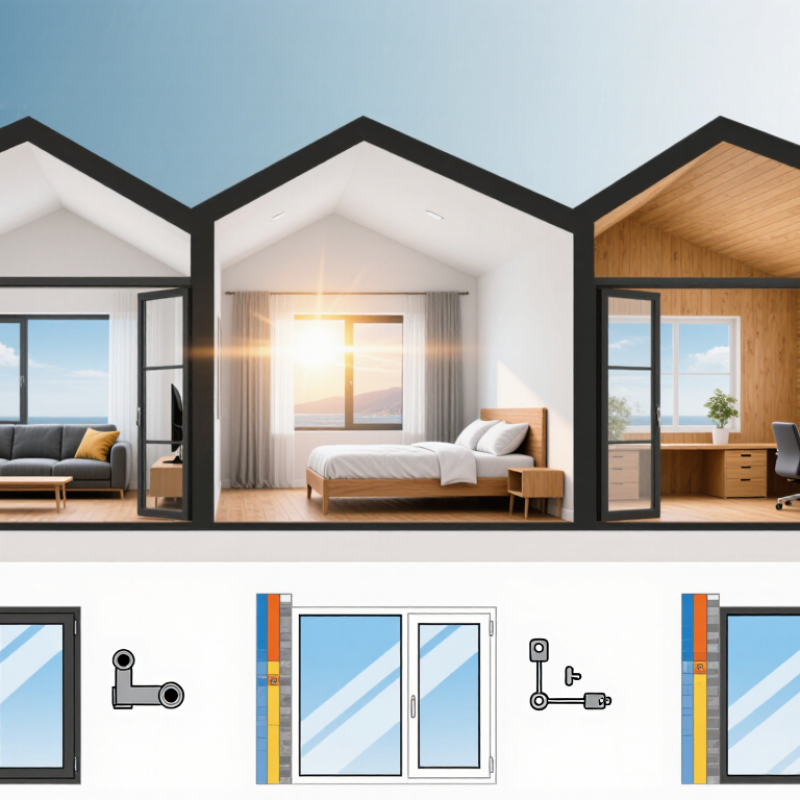
China’s residential window needs are shaped by climate, density, orientation, and daily habits. The National Bureau of Statistics reported a 66.16% urbanization rate in 2023. More urban families now live beside busy roads, construction sites, and high-rise neighbors. Noise control matters as much as thermal insulation. A south-facing room may need solar shading, while a north-facing room needs stronger heat retention. Homes in humid coastal areas also require careful drainage and corrosion resistance. One specification rarely fits every province.
The 2022 China Building Energy Consumption Annual Report estimated that building operations represented about 21.7% of China’s total energy consumption. Window selection should therefore consider U-value, solar heat gain, airtightness, and glass configuration together. China’s thermal design standard, GB 50176, provides climate-based guidance for envelope performance. However, lower U-value alone does not guarantee comfort. Poor installation can leave gaps around the frame. Residents may still feel cold air near the sill.
Practical assessment starts with a room-by-room survey. Measure orientation, shading, indoor humidity, street noise, and existing wall conditions. Specify visible evidence, including test reports and installation details. On site, installers often discover uneven openings or weak masonry. That changes the solution. A perfect window does not exist. Even experienced teams can underestimate ventilation needs, especially in tightly sealed apartments. The best choice balances energy use, daylight, maintenance, safety, and local weather rather than chasing one impressive number.
Choosing the best residential window solution in China starts with the material, not the appearance. In humid coastal areas, aluminium offers strength, slim frames, and low maintenance. Thermal-break aluminium performs better where summer heat and winter cold affect indoor comfort. uPVC can provide strong insulation and useful sound reduction, but frame quality and reinforcement matter. Timber feels warm and natural, although it needs regular protection against moisture and insects.
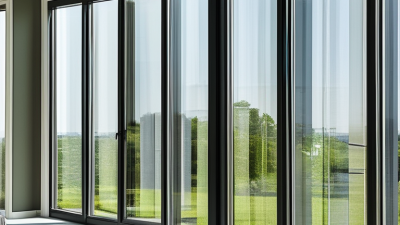
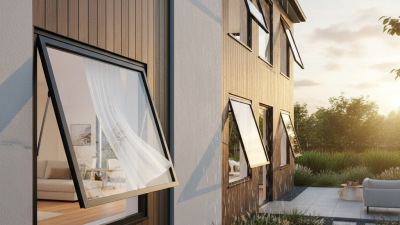
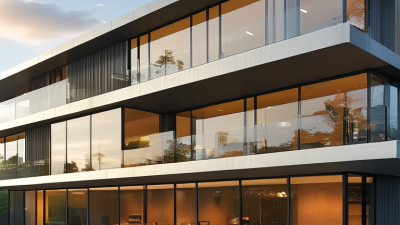
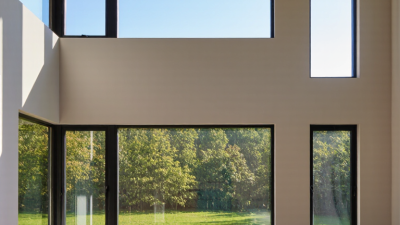
Style should follow the building and the room. Large picture windows bring daylight into living areas, while sliding windows save space near balconies or furniture. Casement windows usually seal tightly and catch cross-breezes. Awning windows can ventilate during light rain. Tilt-and-turn designs offer flexible cleaning and airflow, but their hardware needs careful adjustment. A beautiful style can still feel wrong when the opening direction blocks a cabinet or walkway.
Opening type deserves practical testing. Measure the handle position, sash movement, ventilation area, and cleaning access before ordering. For bedrooms, secure ventilation and controlled opening are more important than impressive glass size. Double glazing can improve comfort, but its performance depends on correct spacer design, seals, and installation. I have seen low-cost windows look excellent at delivery, then reveal air leaks after one season. That mistake is expensive. Ask for tested thermal, acoustic, water-tightness, and wind-resistance data, and check the installation method with an experienced local contractor. Window decisions are rarely perfect. The climate, budget, and daily habits must be considered together.
How to Choose China Best Residential Window Solutions?
Choosing China’s best residential window solution requires more than comparing frame prices. In project reviews, I examine energy data, safety details, and acoustic test reports together. A low U-value helps retain indoor warmth or cool air, but it cannot rescue poor installation. Ask for tested U-values, solar heat-gain data, and air-leakage results. Numbers matter. Site conditions matter more.
For energy efficiency, match glazing to the local climate and building orientation. Low-emissivity glass, insulated spacers, and thermally broken frames can reduce heat transfer. South-facing rooms may need stronger solar control. North-facing rooms often benefit from higher daylight transmission. I also check drainage paths and gasket compression, because small gaps can create cold drafts. A careful installer should verify frame alignment, sealant joints, and opening force after installation. This step is often rushed.
Safety begins with laminated or tempered glass where impact risk is high, especially near floors and children’s areas. Multi-point locks, restrictors, and secure hardware should resist common misuse without making emergency exit difficult. For acoustic performance, request laboratory ratings and compare them with the actual noise source. Traffic noise, voices, and low-frequency equipment behave differently. Laminated acoustic glass can soften voices, yet a thin frame gap may still leak sound. I once saw a well-rated window underperform because the surrounding wall was poorly sealed. That mistake is easy to miss. Before ordering, inspect a sample corner, ask how tests were conducted, and require installation records.
Evaluating Energy Efficiency, Safety, and Acoustic Performance
This comparison uses representative residential window benchmarks. A lower U-value indicates better thermal insulation, while higher Rw and RC values indicate stronger acoustic performance and security resistance. Actual results depend on the complete window system, glass configuration, frame, installation, and certification.
Choosing residential windows from China requires more than comparing prices. Measure each opening carefully, including wall depth, sill slope, and drainage space. Ask whether the supplier can adjust frame colors, glass thickness, opening styles, hardware, and insect screens. A reliable supplier should provide technical drawings before production. These drawings reveal mistakes early. I once saw a project delayed because the window design ignored exterior insulation thickness.
Installation quality matters as much as window performance. Confirm who will supervise installation and what training the local team has completed. Request clear instructions for anchoring, sealing, flashing, and frame alignment. Check how installers handle uneven masonry and heavy glass units. Poor sealing can cause drafts, water stains, or movement during strong wind. An independent site inspection is useful, although it may increase the budget slightly.
Tips: Check factory samples, test reports, and recent project photos. Ask for performance data on air tightness, water resistance, thermal insulation, and sound reduction. Confirm packaging details, replacement procedures, and response times before signing. Visit the production facility if possible. Look at welding points, powder coating, drainage holes, and quality checks. Do not trust attractive samples alone. Some specifications may change during mass production, so written approval and random inspections remain necessary. Mistakes still happen. The goal is to limit surprises.
How to Choose China Best Residential Window Solutions?
Balancing Prices, Warranty Terms, and Long-Term Value
A low quotation can look attractive, but it rarely shows the complete cost. Compare frame materials, glass specifications, hardware, packaging, shipping, installation, and possible replacement charges. A window with stronger thermal insulation may cost more initially. However, it can reduce indoor temperature swings and heating or cooling demand over many years. Ask for itemized quotations. Vague pricing creates expensive surprises.
Warranty language deserves careful reading. Check coverage for glass seal failure, hardware, frame finish, and installation workmanship. Confirm the warranty period, response process, labor responsibility, and replacement conditions. Some warranties exclude coastal corrosion, incorrect cleaning, or poor installation. These details matter. Request written terms, not only sales promises. Independent test reports can also verify air tightness, water resistance, wind performance, and thermal values.
I once focused too heavily on unit price. The cheaper option later required better installation planning and extra adjustment. That was a useful mistake. Now, I review sample corners, drainage paths, locking points, and surface finishes before approving a large order. I also ask how replacement parts will be identified after several years. Long-term value depends on dependable support, not only attractive glass and frames. A practical supplier should explain limitations clearly and provide drawings, maintenance guidance, and realistic delivery commitments. Perfect solutions are uncommon. Careful questions reduce avoidable risk.
| Window Solution | Typical Configuration | Indicative Supply Price (RMB/m²) |
Typical Thermal Performance (U-Value, W/m²·K) |
Common Warranty Practice | Expected Service Life | Long-Term Value Assessment | Best Suited For |
|---|---|---|---|---|---|---|---|
| Standard Aluminum, Single Glazing | Aluminum frame with 5–6 mm single glass | 350–700 | 5.5–6.5 | Usually 1–2 years for hardware and installation; glass coverage varies | 15–25 years with regular maintenance | Low initial cost, but weak insulation and higher heating or cooling demand | Budget renovations, storage areas, mild climates, and secondary spaces |
| uPVC Double Glazing | Multi-chamber uPVC frame with 5+12A+5 mm insulated glass | 500–900 | 2.2–2.8 | Typically 2–5 years for the complete window system; installation terms should be confirmed | 25–35 years when protected from prolonged UV and impact | Strong value for money, good insulation, and relatively low maintenance | Apartments, residential replacements, and moderate climates |
| Thermal-Break Aluminum Double Glazing | Aluminum frame with thermal barrier and 5+12A+5 mm insulated glass | 800–1,500 | 1.8–2.5 | Commonly 2–5 years for the system; hardware and sealant may have separate terms | 30–40 years with appropriate drainage and hardware servicing | Balanced durability, appearance, weather resistance, and energy performance | Most urban homes, coastal areas, large openings, and high-use windows |
| Thermal-Break Aluminum Triple Glazing | Thermal-break frame with three panes and two insulated cavities | 1,300–2,500 | 0.9–1.6 | Often 3–5 years for the system, subject to project contract and installation scope | 30–40 years; glass units require proper edge-seal protection | High energy and acoustic performance, but payback depends on climate and energy prices | Cold climates, high-rise residences, premium renovations, and noise-sensitive rooms |
| Wood-Aluminum Composite Double Glazing | Interior timber finish, exterior aluminum protection, insulated glass unit | 1,800–3,500 | 1.2–2.0 | Commonly 3–5 years for the system; surface finishes may have separate maintenance terms | 30–50 years with controlled indoor humidity and periodic finish maintenance | Premium comfort and appearance with good insulation, but higher purchase and upkeep costs | Luxury homes, villas, heritage-style projects, and design-led interiors |
| Comparison basis: Prices are indicative supply ranges in China for standard residential sizes and should be treated as budget-planning figures. Final quotations depend on profile thickness, glass specification, hardware, opening size, screens, color, delivery distance, installation complexity, taxes, and project volume. U-values are typical system-level ranges; ask for tested performance data for the exact configuration. Warranty coverage should clearly separate frames, insulated glass, hardware, sealants, and installation. | |||||||