Best Window Insulation Systems for Energy Efficiency Today?
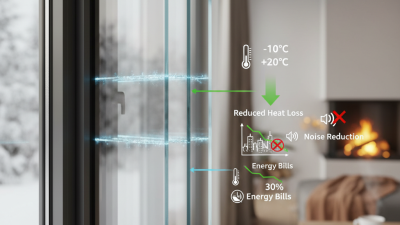
As energy costs continue to rise, homeowners are seeking effective solutions to enhance home efficiency. One of the most crucial aspects of energy savings is the implementation of quality window insulation systems. According to the U.S. Department of Energy, about 30% of a home's heating energy can be lost through windows. This staggering statistic highlights the importance of investing in reliable insulation methods.
Many homeowners remain unaware of the potential energy savings that effective window insulation can provide. For instance, studies show that properly insulated windows can reduce heating bills by up to 25%. Furthermore, innovations in window insulation technologies, such as low-emissivity (Low-E) coatings and triple-pane designs, have emerged. These systems not only improve energy efficiency but also enhance comfort levels within the home.
However, choosing the right insulation system requires careful consideration. Many products claim high performance, but the effectiveness varies widely. Homeowners must navigate this complex landscape to find solutions that truly deliver results. Consequently, while advancements have been made, consumers must be discerning to ensure they do not fall prey to misleading marketing claims. Understanding the various options available in the market can greatly influence both energy efficiency and overall home comfort.
Understanding the Importance of Window Insulation for Energy Efficiency
Window insulation plays a crucial role in enhancing energy efficiency. The U.S. Department of Energy reports that windows can account for 25-30% of a home's heating and cooling costs. Proper insulation can significantly reduce these expenses. High-quality window insulation can also prevent drafts and maintain consistent indoor temperatures, which is essential for comfort.
Incorporating insulated window treatments, like cellular shades or thermal curtains, can add another layer of energy conservation. Adding caulk around window frames can seal gaps, while weatherstripping can stop air leaks. It's fascinating to note that poorly insulated windows can lead to energy losses of up to 15%.
Consider these actions: assess your current window insulation and evaluate if it meets recommended standards. Don’t overlook older windows; upgrading can yield a significant return on investment. For those ready for change, investing in double or triple-glazing can further enhance performance. Remember, every small step counts in your journey toward greater energy efficiency.
Types of Window Insulation Systems Available on the Market
When exploring window insulation systems, consumers have various options tailored for energy efficiency. Common types include window films, cellular shades, and insulated window inserts. Each type serves a different purpose and offers unique benefits.
Window films provide a cost-effective solution. They reduce heat loss and glare while allowing natural light in. Data from the U.S. Department of Energy shows that using window films can decrease energy use by up to 30%. This makes them particularly appealing for budget-conscious households. However, their effectiveness depends on correct installation and material quality.
Cellular shades, or honeycomb shades, are designed with air pockets that trap heat. This creates an insulating barrier. Research indicates that cellular shades can improve thermal resistance by 30 to 50%. However, they may need regular cleaning and can be less durable than other options.
Insulated window inserts offer a more permanent solution. They fit snugly within existing frames, significantly enhancing insulation. However, they can be expensive and require professional installation. Each option has trade-offs, demanding thoughtful consideration of personal needs and budgets.
Factors to Consider When Choosing a Window Insulation System
When selecting a window insulation system, it's essential to consider several key factors. First, assess the climate in your area. Regions with harsh winters or hot summers require different insulation strategies. For instance, double or triple-pane windows are beneficial in extreme cold, while reflective films may work better in sunny climates.
Next, evaluate your existing windows. Their age and condition can impact insulation effectiveness. Older windows often have gaps and reduced sealing. Newer, more energy-efficient designs might offer better thermal performance. Think about installation costs as well. Some systems are easy to install, while others might require professional assistance, increasing overall expenses.
Pay attention to the energy efficiency rating of the insulation system. Look for information on U-values and R-values to gauge heat transfer. This data helps determine how well the insulation can perform.
Finally, do not overlook aesthetics. The chosen insulation should complement your home's exterior design. Finding a balance between performance and visual appeal can be challenging, but it’s crucial for overall satisfaction.
Installation Methods for Different Window Insulation Solutions
When considering window insulation systems for energy efficiency, various installation methods play a crucial role. For instance, window film insulation provides a straightforward installation option. Homeowners can apply this clear film directly to the glass surface. According to the U.S. Department of Energy, this method can reduce heat loss by up to 40%. However, it may require periodic replacement, which can be a downside.
Another effective solution is the use of insulating window inserts. These inserts create an additional barrier against the elements. They are typically mounted within the window frame and are removable for seasonal changes. Research from the National Renewable Energy Laboratory shows that insulating inserts can improve window performance by 50%. Their installation can be DIY-friendly, although precise measurements are essential for effectiveness.
Cellular shades are another popular method. They trap air in their honeycomb structure, adding layers of insulation. Installation is generally simple, as these shades can fit existing window frames. Nevertheless, improper measurement can lead to gaps, reducing their effectiveness. Proper education on installation techniques enhances reliability in achieving greater energy efficiency.
Best Window Insulation Systems for Energy Efficiency Today
| Insulation Method |
Materials Used |
Energy Efficiency Rating |
Installation Difficulty |
Average Cost (per window) |
| Cellular Shades |
Honeycomb fabric |
R-Value: 3.5-4.5 |
Easy |
$150 - $300 |
| Thermal Window Film |
Polyester |
R-Value: 1.0-2.0 |
Moderate |
$50 - $100 |
| Storm Windows |
Glass, Aluminum |
R-Value: 3.5-5.0 |
Difficult |
$200 - $500 |
| Foam Inserts |
Rigid foam |
R-Value: 4.0-6.0 |
Easy |
$20 - $50 |
| Reflective Insulation |
Reflective foil |
R-Value: 1.0-3.0 |
Moderate |
$100 - $200 |
Benefits of Using Efficient Window Insulation for Energy Savings
Efficient window insulation plays a crucial role in energy savings for homes and buildings. According to the U.S. Department of Energy, up to 30% of heating and cooling energy can be lost through windows. This underscores the importance of investing in effective insulation systems. Properly insulated windows can significantly reduce energy consumption, leading to lower utility bills.
Research reveals that double or triple-glazed window systems can enhance thermal performance by incorporating gas fills between glass panes. This can reduce heat transfer, keeping homes warmer in the winter and cooler in the summer. A study by the Lawrence Berkeley National Laboratory found that high-performance windows can save homeowners about $465 annually in energy costs on average.
Still, challenges remain. Many homeowners overlook window insulation, leading to inefficient energy use. Some systems may also require a substantial upfront investment, deterring individuals from upgrading. Evaluating the return on investment is essential when considering window insulation options. Striking a balance between immediate costs and long-term savings requires careful thought and planning.