10 Tips for Buying Energy Efficient Doors?
Choosing energy efficient doors is not merely a matter of selecting the lowest U-factor. A door sits inside a larger wall system, where weather, air leakage, installation quality, and daily use all affect performance. Joseph Lstiburek, a respected building-science expert, has emphasized, “A building enclosure is a system.” That principle deserves attention before comparing product labels.
This guide introduces ten practical tips for buying energy efficient doors. It examines insulated cores, glazing, weatherstripping, frame materials, threshold design, and certified performance ratings. You will also see why correct installation matters. A well-rated door can still leak cold air around a poorly sealed frame. Small gaps become noticeable beside a kitchen table on a windy winter morning.
Look beyond attractive finishes.
Consider your local climate, too. A door suited to a humid coastal home may not perform identically in a dry, freezing region. Check U-factor and air-leakage ratings when available. For glazed doors, review solar heat gain and visible-light performance. These details can feel technical, but they influence comfort, heating costs, and condensation risk.
There is no perfect door for every property. Budget limits, security needs, maintenance, and architectural style can complicate the decision. Even experts must reassess assumptions when the opening is unusual or the existing frame is damaged. The most reliable choice combines verified performance, professional measurement, and careful installation—not a persuasive sales claim.
Define Your Energy Efficiency Goals and Door Requirements
Before comparing door styles, define what energy efficiency must accomplish in your home. A cold-climate entry may need a low U-factor, strong weatherstripping, and minimal air leakage. In a sunny room, solar heat gain matters more, especially on south- or west-facing glass. Record the room’s temperature, drafts, and direct sunlight at different times of day. Small notes can expose the real problem. Your goal might be lower heating bills, steadier indoor temperatures, or less street noise. State the priority clearly, because no door solves every concern equally well.
Measure the opening before shopping, including wall thickness, threshold height, swing direction, and clearance. Check whether the frame is warped or the sill is damp. A high-performing slab can still waste energy when installation leaves gaps around the frame. Ask for verified performance data, such as U-factor, air-leakage results, and weather-resistance information. Compare ratings suited to your climate rather than trusting vague claims like “green” or “premium.” Glass area deserves careful attention; larger panes may improve daylight but increase heat transfer. I once underestimated afternoon glare when planning a glazed entrance. That mistake changed the final specification. Include daily use, too. A door that is heavy, difficult to latch, or frequently propped open may perform poorly in practice. Discuss installation details with a qualified professional, but keep the requirements written in your project notes. This makes promises easier to check.
Choose Suitable Materials, Glazing, and Insulation Features
Buying an energy-efficient door starts with the frame, not the color.
Choose fiberglass, composite, or insulated steel with a low-conductivity core. Wood can perform well, but it needs careful sealing and regular maintenance. Look for a low U-factor, which indicates better resistance to heat transfer. The U.S. Department of Energy reports that windows can cause 25–30% of residential heating and cooling energy use, making glazing a serious design decision.
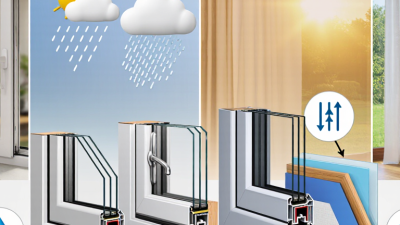
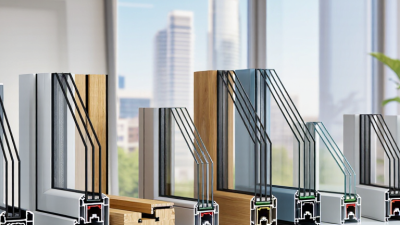
Use double or triple glazing with a low-emissivity coating and inert-gas filling. Select the solar heat gain coefficient according to your climate and window orientation. Lower SHGC helps in hot, sunny regions, while moderate SHGC can provide useful winter warmth.
Warm-edge spacers reduce heat loss around the glass. They also help limit condensation.
Small detail. Big effect.
An insulated door slab is not enough.
Check continuous weatherstripping, a sealed threshold, and tight corner joints. Poor installation can undermine excellent materials. The National Fenestration Rating Council explains that U-factor and SHGC should be judged together, not separately. Ask for tested performance data, installation instructions, and an independent certification label. A thermal camera can reveal cold edges after installation. I would not trust a door based only on marketing language. Even premium glazing can fail when the frame bows, the sill leaks, or the installer leaves a narrow, invisible gap.
Check Door Size, Installation Quality, and Weatherproofing
10 Tips for Buying Energy Efficient Doors
Check Door Size, Installation Quality, and Weatherproofing
Energy efficient doors begin with accurate sizing, not attractive glass or thick insulation alone. Measure the door slab, rough opening, frame depth, and threshold height. Measure twice. A tight door can still waste energy if the frame is too small, warped, or poorly aligned. Leave the recommended clearance for shims and adjustment. Do not guess.
Installation quality often decides whether a high-performing door works as promised. The frame should sit plumb, level, and square before fasteners are tightened. Use durable shims at hinge and lock points, then seal gaps around the frame. Expanding foam can help, but excessive foam may bow the frame. That detail is easy to miss. After installation, open and close the door several times. Check that the latch engages without force.
Weatherproofing needs more than a rubber seal around the moving panel. Inspect the sweep, corner seals, threshold, and exterior flashing. Air leaks quietly. On a windy day, hold thin tissue near the jambs and threshold. Movement indicates leakage, although this simple test cannot replace professional testing. Choose a documented low U-factor and low air-leakage rating for your climate. Review installation instructions, because blocked drainage paths can cause trouble. I sometimes focus too much on the door itself; the surrounding wall deserves equal attention.
Review Costs, Certifications, Maintenance, and Long-Term Savings
Buying an energy-efficient door involves more than comparing prices. I once focused on the lowest quote and overlooked installation quality. That mistake caused drafts around the frame. Check the total cost, including delivery, removal, fitting, locks, and future repairs. A slightly higher price may offer stronger insulation and fewer replacements.
Tip: Request documented performance ratings and recognized energy-efficiency certifications. Look for clear information about U-value, air leakage, and glass performance. Ask who performed the testing. Reliable documents should identify test methods and product specifications. Certification does not guarantee perfect results, though. Poor fitting can reduce efficiency quickly.
Maintenance affects long-term savings. Inspect weatherstripping every year, especially near the threshold. Replace cracked seals before cold air enters. Keep hinges clean and tighten loose screws. For glazed doors, check for moisture between panes. That may indicate failed sealing. A professional installer can also inspect uneven gaps, which are easy to miss.
Estimate savings realistically. Energy prices, local weather, door direction, and household habits all matter. A simple payback calculation can help: divide the extra purchase cost by expected annual savings. Do not trust dramatic promises without supporting evidence. Sometimes comfort matters more than a fast financial return. The hallway may feel warmer, even when the savings are modest.