What is WPC Decking Board and How to Choose the Best?
Wpc Decking Board is a popular choice for outdoor spaces. Made from wood fibers and plastic, it offers durability and aesthetic appeal. Choosing the best WPC decking board can be challenging. There are various aspects to consider, including material quality and design.
Many homeowners seek low-maintenance options that still look great. A high-quality WPC decking board resists splintering and fading. This means it can withstand harsh weather conditions, making it suitable for various climates. However, not all products are equal. Some may warp or fade faster than expected.
When selecting a WPC decking board, pay attention to the warranty and brand reputation. Researching user reviews can provide insights into performance. Even reputable brands may not deliver the same longevity. Understanding your specific needs is essential. Consider factors like your budget and the intended use of the space. This ensures you make an informed decision.
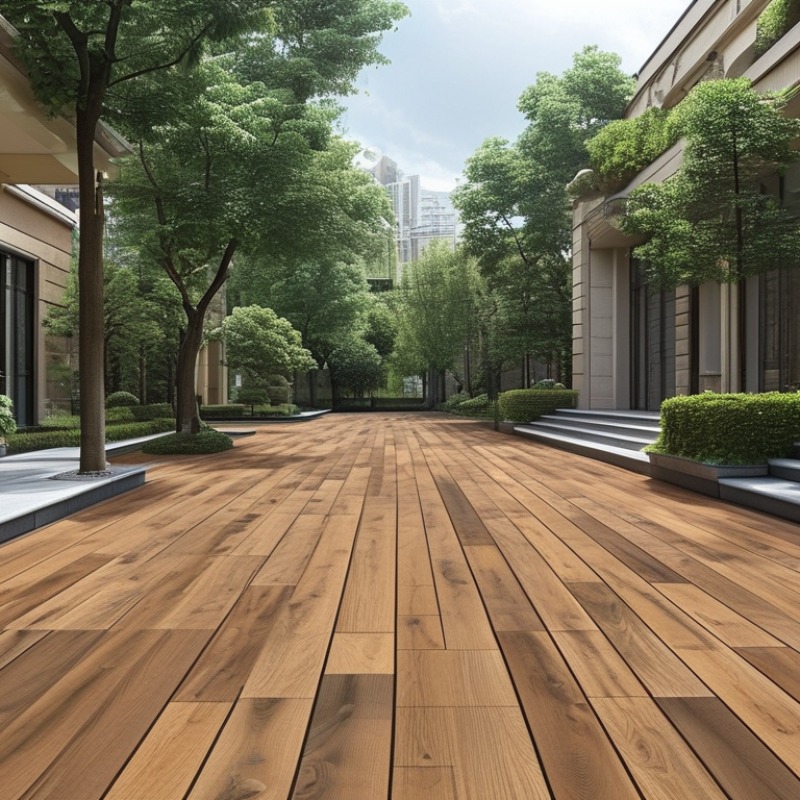
What is WPC Decking Board: Definition and Composition
WPC decking board, short for wood-plastic composite, combines natural wood fibers with recycled plastic. This fusion creates a durable material ideal for outdoor decking. The result is a product that resists rot, fading, and insects. Homeowners appreciate its ability to mimic the look of traditional wood, while requiring less maintenance.
When choosing WPC decking, consider its composition. High-quality products often contain a higher percentage of wood fibers, enhancing strength and aesthetic appeal. Additionally, the type of plastic used impacts durability and weather resistance. Some boards offer a textured surface for better traction, which is essential for wet areas. It is crucial to examine manufacturing processes and certifications to ensure reliability.
Venturing into the world of decking can be complex. Not all WPC products are created equal. Some may fade quickly, or warp under pressure. Failure to research options can lead to unsatisfactory results. It's essential to weigh factors like longevity and environmental impact. Balancing aesthetics with practicality may also require deeper reflection.
Advantages of Using WPC Decking Boards for Outdoor Spaces
WPC decking boards have gained popularity for outdoor spaces due to their numerous advantages. Made from a blend of wood and plastic, they offer durability and a natural appearance. These boards resist moisture, preventing warping or rotting. Unlike traditional wood, WPC does not require regular sealing or staining, lowering maintenance efforts.
When considering WPC decking, think about the climate in your area. In wet regions, moisture resistance is crucial. If you live in a sunny area, UV resistance can also be a key factor. It's essential to explore various textures and colors, ensuring that your deck complements your outdoor theme.
Tip: Always check warranties and reviews before making a purchase. A product with a solid warranty reflects confidence in its durability. Additionally, consider the ease of installation. Some boards snap together, while others may require hardware. A more complex installation could lead to frustration. Practical and aesthetic factors should align for the best results.
What is WPC Decking Board and How to Choose the Best? - Advantages of Using WPC Decking Boards for Outdoor Spaces
| Feature | WPC Decking Board | Traditional Wood |
| Durability | Highly durable, resistant to rot, shrinking, and splitting | Prone to rotting and warping over time |
| Maintenance | Low maintenance, requires only occasional cleaning | Requires regular staining and sealing |
| Color Options | Available in various colors and finishes | Limited colors, usually needs painting or staining |
| Environmental Impact | Made from recycled materials, eco-friendly | Can contribute to deforestation if not sustainably sourced |
| Cost | Generally more cost-effective over time due to durability | Initially cheaper, but higher long-term maintenance costs |
Key Factors to Consider When Choosing WPC Decking Boards
Choosing the right WPC decking board requires careful consideration. A few key factors can help guide your decision.
Durability is crucial. WPC decking boards offer resistance to moisture and insects. This makes them ideal for outdoor use. However, not all products are created equal. Check the warranty and customer reviews. Some boards may not hold up as expected.
Another factor to weigh is aesthetic appeal. The color and texture of the boards can impact your space significantly. Consider your existing outdoor decor. Mixing patterns or colors can enhance the look. But, be cautious. Too many variations may look chaotic.
Tip: Measure your deck space before purchasing. This helps avoid overbuying or underestimating the amount needed.
Finally, look at maintenance requirements. Some WPC boards require less upkeep than traditional wood. However, they might need occasional cleaning. Don’t overlook the environmental impact, either. While WPC is often eco-friendly, ensure it meets your sustainability standards.
Tip: Compare different options and seek expert advice. This can save time and money in the long run.
Comparative Analysis: WPC Decking vs. Traditional Wood Decking
WPC decking, or wood-plastic composite decking, offers a modern alternative to traditional wood. It combines plastic and wood fibers, delivering durability and low maintenance. People appreciate WPC for its resistance to rot and decay. It does not require regular staining or sealing, which can save time and effort.
In contrast, traditional wood decking has its charm. It provides a natural look and feel that many homeowners love. However, wood is susceptible to weather damage and insect infestation. Regular maintenance is essential to preserve its beauty and longevity. Homeowners often find themselves re-staining or replacing boards over time, which can be a hassle.
While WPC decking has advantages, some worry about its appearance. It may not replicate the unique grain patterns found in natural wood. This discrepancy raises questions for those seeking a perfect aesthetic. Traditional wood, therefore, remains a favorite for those who prioritize authentic beauty, even with the upkeep required. Both options come with trade-offs, and the choice ultimately depends on personal preferences and lifestyle.
WPC Decking vs. Traditional Wood Decking: A Comparative Analysis
Maintenance Tips for Ensuring Longevity of WPC Decking Boards
WPC decking boards are popular for their durability and aesthetics. However, maintaining them is crucial for longevity. Regular cleaning is a fundamental step. A simple mix of mild soap and water effectively removes dirt. For deeper stains, consider using a soft-bristle brush. Avoid harsh chemicals as they can damage the surface.
Keep an eye on moisture accumulation. While WPC boards resist rot, prolonged exposure to water can lead to mold. Good drainage is essential. If your deck collects water, addressing this issue will prolong its life. It's wise to check for wear and tear regularly. A report by the American Society of Civil Engineers highlights that proper maintenance can extend material longevity by 30%.
Consider applying a protective sealant every couple of years. This can enhance the color and provide extra protection against UV rays and moisture. Also, avoid placing heavy objects in one spot for extended periods. Uneven pressure may cause warping. Follow these simple tips for the best results. Consistent maintenance can keep your WPC boards looking new.
