Why Are Window Insulation Systems Essential for Energy Efficiency?
In the quest for energy efficiency, window insulation systems play a crucial role. According to Dr. Emily Turner, a leading expert in building science, "Efficient window insulation can reduce energy costs significantly." Her words highlight the importance of these systems in modern architecture.
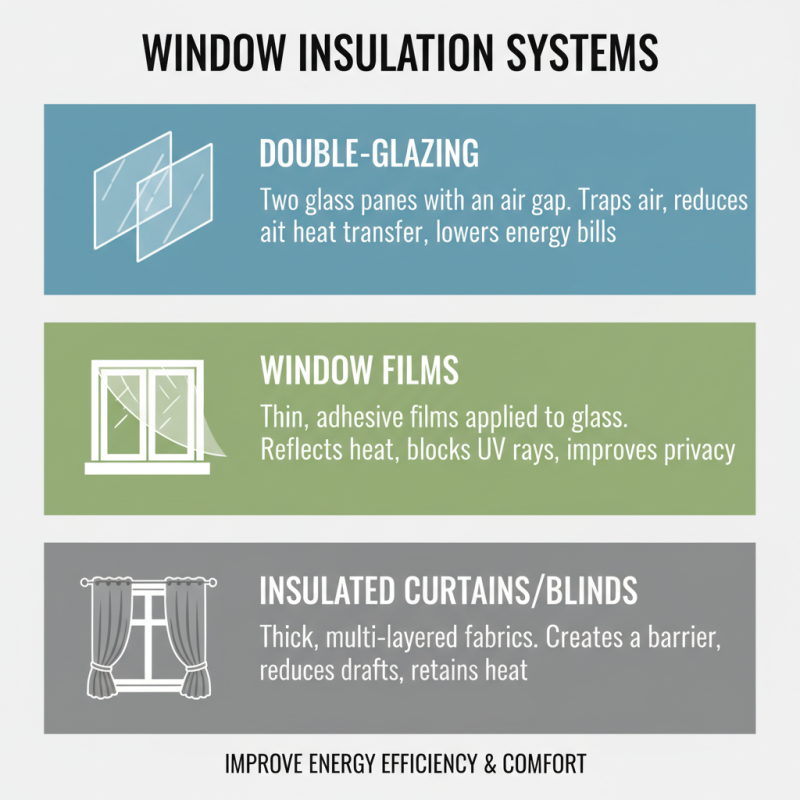
Window insulation systems not only curb energy loss but also enhance indoor comfort. They come in various forms, such as double or triple glazing, low-emissivity coatings, and insulating frames. Each type has distinct advantages, yet challenges remain. For instance, installation can be complex, and the upfront costs may deter homeowners.
Quality materials are essential for effective window insulation systems. However, not every product on the market meets high standards. The choice of insulation can greatly influence energy consumption. Therefore, it's vital to research reliable options. As cities strive for sustainability, window insulation systems will remain a focal point in energy efficiency discussions. The ongoing evolution in technology offers both promise and uncertainty.
Understanding Energy Efficiency and Its Importance
Energy efficiency is a crucial component of modern home and building design. It reduces energy consumption while maintaining comfort. When homes are energy-efficient, they lower utility bills and reduce carbon footprints. This creates a more sustainable environment, benefiting everyone.
Understanding energy efficiency starts with realizing how much warmth escapes through windows. Poor insulation can lead to significant heat loss in winter and heat gain in summer. Proper window insulation systems help to regulate indoor temperatures. This not only enhances comfort but also decreases reliance on heating and cooling systems.
However, many homeowners overlook the importance of investing in these systems. Some think it’s too expensive upfront. Others may underestimate the long-term savings. Reflecting on these concerns, it’s essential to weigh the costs against potential benefits. Reliable energy-efficient solutions can ultimately lead to substantial savings and a more enjoyable living space.
The Role of Windows in Home Energy Consumption
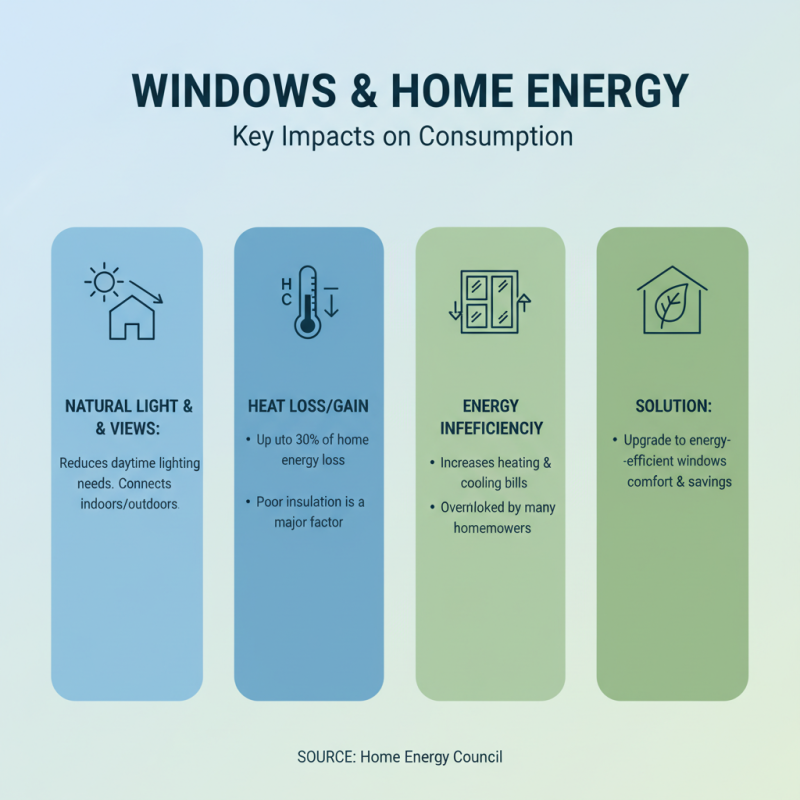
Windows play a critical role in home energy consumption. They allow natural light to enter and provide views of the outdoors. However, they can also be a significant source of energy loss. Poorly insulated windows lead to increased heating and cooling demands. Most homeowners overlook this aspect when calculating energy efficiency.
In many homes, windows account for a substantial portion of annual energy costs. Air leaks around window frames can waste significant energy. Even with energy-efficient designs, improper installation can diminish their benefits. Homeowners often focus on insulation in walls or roofs while neglecting windows.
Improving window insulation can drastically enhance energy efficiency. Techniques like weatherstripping and caulking can minimize drafts. Investing in quality window treatments can further control temperature fluctuations. Yet, many don’t consider these upgrades until it’s too late. Reflecting on the condition of your windows is essential for a sustainable, energy-efficient home.
How Window Insulation Improves Energy Efficiency
Window insulation systems play a crucial role in enhancing energy efficiency. By minimizing heat loss during winter and heat gain in summer, these systems create a more pleasant indoor climate. Improved insulation can dramatically reduce heating and cooling costs. Properly insulated windows help maintain consistent temperatures throughout the home, which contributes to energy savings.
The right window insulation technique can significantly impact energy efficiency. Double-glazed windows are excellent for thermal insulation, trapping air between panes. Low-emissivity (Low-E) coatings can reflect heat back indoors during colder months. These measures not only enhance comfort but also increase property value. It's essential to assess your window insulation needs regularly.
Tips for homeowners: Check for drafts around windows regularly. If you feel air seeping in, it's time to upgrade. Consider using window film or weather stripping as a temporary solution. Performing regular maintenance will help identify areas for improvement. Energy efficiency is an ongoing process that requires attention and adaptation.
Benefits of Enhanced Energy Efficiency Through Insulation Systems
Window insulation systems play a critical role in enhancing energy efficiency. When properly installed, these systems create a barrier against outside temperatures. This helps maintain a comfortable indoor climate, reducing the need for excessive heating or cooling. The result is lower energy consumption and reduced utility bills, which benefit both the homeowner and the environment.
Enhanced energy efficiency also contributes to noise reduction. Insulated windows block external sounds, creating a more peaceful home atmosphere. This has become increasingly important in urban areas, where noise pollution is prevalent. However, improper installation can lead to gaps and air leaks, hindering effectiveness. It’s essential to ensure that the insulation is applied correctly to maximize benefits.
Additionally, insulated windows can improve a home's overall aesthetic appeal. They often come in various designs and styles. Homeowners should carefully consider their options, balancing function and visual impact. However, it's crucial to avoid focusing solely on appearance. Sometimes, the most attractive solutions may not provide the energy savings needed. Reflecting on both the practical and visual elements can lead to better choices.
Impact of Window Insulation on Energy Efficiency
This chart illustrates the annual energy savings in kilowatt-hours (kWh) associated with various window insulation types. As shown, moving from single-pane to triple-pane windows significantly reduces energy consumption, highlighting the importance of proper insulation systems for energy efficiency.