Why Choose Eco Bikes for Sustainable Transportation?
Sustainable transportation is becoming increasingly crucial in combating climate change. Eco Bikes emerge as a practical solution, offering an efficient, low-emission alternative to traditional vehicles. According to a 2022 report from the International Energy Agency, e-bikes can reduce carbon emissions by nearly 50% compared to cars over comparable distances. Studies show that cities integrating Eco Bikes into their transportation grids see significant decreases in traffic congestion and air pollution.
John Green, a transportation expert at the Urban Mobility Institute, emphasizes the potential of Eco Bikes: “Adopting e-bikes can transform urban travel, making it cleaner and more efficient.” The shift towards Eco Bikes is not without challenges. Infrastructure needs improvement for safety and accessibility. In many areas, public acceptance remains mixed, with some hesitant to transition from cars.
With a growing focus on environmental sustainability, the Eco Bikes industry must address these concerns. Continuous education about their benefits is essential. As cities adapt and evolve, embracing Eco Bikes could lead to a more sustainable future.
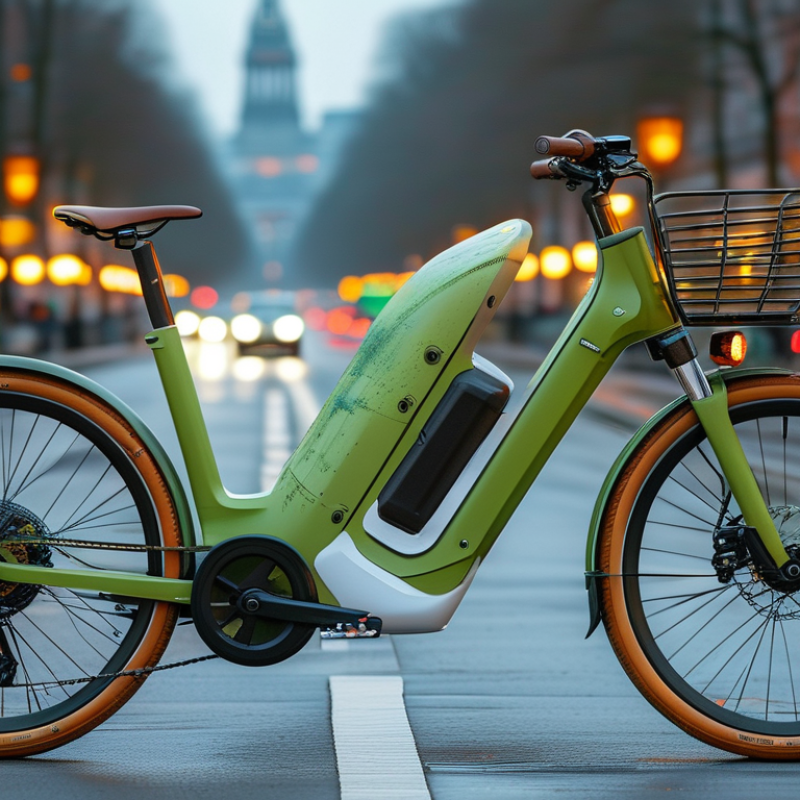
Benefits of Eco Bikes for Urban Transportation
Eco bikes represent a transformative shift in urban transportation. According to a report by the International Cycling Union, cycling can reduce traffic congestion by up to 15%. This translates to fewer emissions and cleaner air. Eco bikes are not just about physical mobility; they also support mental well-being. A study published in the Journal of Transportation Health noted cyclists experience lower stress levels.
Tips: Always wear a helmet. Ensure your bike is equipped with proper lights for nighttime visibility.
The benefits extend beyond individual users. Cities that promote cycling report increased local business revenue. For instance, a survey by the Bicycle Federation found that bike-friendly areas can see a 30% boost in sales for nearby shops. However, urban planners often face challenges in creating bike lanes. Limited space and funding can hinder progress.
Tips: Plan your route in advance. Use bike-sharing programs if available in your area.
Environmental Impact of Eco Bikes Compared to Traditional Vehicles
Eco bikes offer a compelling alternative to traditional vehicles, particularly regarding their environmental impact. Unlike gas-powered cars, eco bikes run on electric power or human energy. This significantly reduces carbon emissions. Research shows that the production and use of traditional vehicles contribute substantially to air pollution. Eco bikes, however, produce minimal waste and emissions throughout their lifecycle.
Energy consumption is another area where eco bikes excel. A conventional car uses a large amount of fossil fuels, which contributes to resource depletion. In contrast, riding an eco bike requires far less energy. Charging electric bikes leads to lower electricity use as well. Both options can still have environmental costs. For instance, the production of batteries for electric bikes can be resource-intensive.
Urban planning also plays a role in the effectiveness of eco bikes. Cities not designed for cycling may discourage their use. Riders face dangers on poorly maintained roads or inadequate bike lanes. While eco bikes provide a sustainable transportation option, urban environments must evolve to support them. This systemic issue highlights the complexities involved in promoting a greener future.
Cost-Effectiveness of Using Eco Bikes for Daily Commuting
Eco bikes have emerged as a popular choice for daily commuting due to their cost-effectiveness. Research indicates that the average person can save around $800 annually by switching to eco bikes instead of relying on cars. Maintenance costs for eco bikes are significantly lower. A study published in the Journal of Transportation Research found that bike maintenance can cost about 5% of what car maintenance costs.
Tips: Consider tracking your mileage to gauge savings. This data can motivate you and reinforce the benefits of eco bikes.
Sustainability also plays a role in the economical appeal of eco bikes. The Environmental Protection Agency reports that biking can reduce carbon emissions by up to 70%. Not only does this contribute to a greener planet, but it also minimizes fuel expenses. However, some may initially struggle with the transition and find biking more exhausting than anticipated.
Tips: Try combining cycling with public transport to ease into the routine. This balance can help improve your stamina over time.
Health Benefits Associated with Riding Eco Bikes Regularly
Riding eco bikes regularly offers numerous health benefits. Regular cycling improves cardiovascular fitness. It strengthens muscles and enhances joint mobility. You'll likely experience better balance and flexibility too. These aspects are crucial for overall physical health.
Mental health also sees a boost. Cycling releases endorphins, which can improve mood. It reduces stress and anxiety levels. Spending time outdoors while riding can enhance your well-being. Nature has a soothing effect. However, not everyone may feel comfortable on a bike. Some might encounter initial fatigue or discomfort. It's important to start slowly and listen to your body.
Sustainability in transportation shouldn’t overshadow personal health. If you’re not physically active, biking may feel challenging at first. It requires patience and practice. Set realistic goals to gradually improve your stamina. With time, cycling can become an enjoyable habit, contributing to both your health and a greener planet.
Innovations in Eco Bike Technology for Sustainable Living
Innovations in eco bike technology are transforming sustainable transportation. Recent studies highlight that electric bikes can reduce greenhouse gas emissions by 50% when compared to cars. This shift contributes significantly to urban air quality improvements. Moreover, lightweight materials and smart technologies enhance bike efficiency and rider experience. Some bikes now feature integrated solar panels, allowing them to charge while parked. This innovation showcases how technology can blend seamlessly with eco-friendly practices.
Tips for selecting an eco bike: Look for models with good battery life and efficient energy consumption. Some brands report up to 80 miles on a single charge. Consider features like regenerative braking, which can extend battery life while promoting sustainability. However, not all eco bikes have the same durability. Some users report wear and tear faster than expected. This inconsistency emphasizes the importance of research before making a purchase.
Another interesting development is the availability of bike-sharing programs powered by electric bikes. A report by the International Transport Forum notes that cities with bike-sharing schemes see a 20% decrease in short trips made by cars. Yet, maintaining these programs requires investment and support. While bike-sharing can be environmentally beneficial, community barriers and funding issues can hinder their effectiveness. These are crucial aspects to think about for future advancements in eco-friendly transportation.
