What is Wall Bend Pipes and Why Are They Important?
Wall Bend Pipes are critical components in various industrial applications. Their design allows for efficient fluid transport in systems where directional changes are needed. According to a report by the Global Pipe Industry Association, the market for bending pipes has seen a steady growth rate of 5.8% annually. This trend highlights the increasing demand for reliable infrastructure in sectors like construction and oil refining.
Expert insights enhance our understanding of Wall Bend Pipes. Dr. Emily Carter, a leading analyst in piping solutions, states, "The right choice of bending pipes can significantly improve system performance." However, choosing the best material and design remains a challenge. Factors such as environmental stress and fluid type can complicate the selection process.
Additionally, many companies overlook the importance of proper installation. Misalignment in Wall Bend Pipes can lead to inefficiencies and increase maintenance costs. As industries evolve, the demand for innovative solutions in bending pipes will continue to grow. Balancing cost-effectiveness and quality is crucial for future advancements in this field.
Understanding Wall Bend Pipes: Definition and Overview
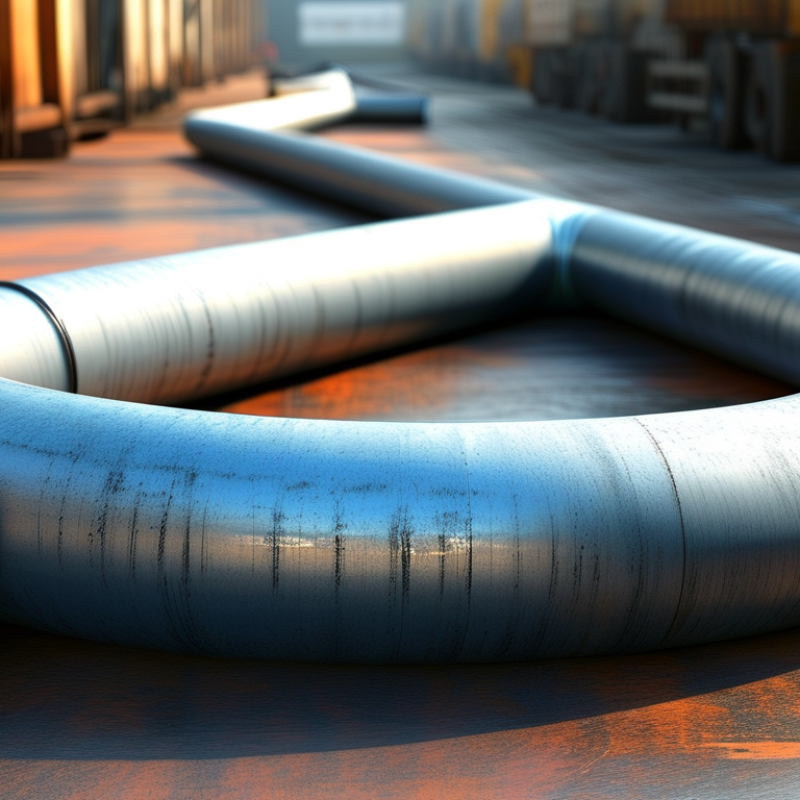
Wall bend pipes are essential components in modern plumbing and construction. These pipes allow for efficient routing of fluids, minimizing potential leaks. They play a critical role in maintaining pressure and flow in plumbing systems. According to industry reports, the improper installation of wall bend pipes can lead to a 15% decrease in overall system efficiency.
These pipes are designed to fit within walls, reducing visible infrastructure. This design is crucial in urban settings where space is limited. A report from the International Association of Plumbing and Mechanical Officials notes that approximately 30% of plumbing issues could be avoided with proper wall bend pipe installation.
However, installing wall bend pipes is not without its challenges. One common mistake is underestimating the bend radius, which can result in higher friction losses. Professionals must also be aware of potential stress points, which can lead to pipe failure. Reflections on these issues can drive improvements in installation practices.
The Functionality of Wall Bend Pipes in Construction Projects
Wall bend pipes play a vital role in construction projects. They help in guiding pipes along walls, allowing for efficient routing in tight spaces. A recent industry report indicated that around 30% of installation issues stem from improper pipe placement. Correct use of wall bend pipes can alleviate this problem significantly.
These pipes provide not only functionality but also safety. By ensuring proper alignment and reducing stress on joints, they minimize the risk of leaks. Data shows that approximately 25% of plumbing failures are linked to poor pipe configuration. Wall bend pipes help enhance the durability of the entire system, ensuring longevity and reducing maintenance needs.
However, not all installations are flawless. In some cases, improper angles can lead to complications. A study highlighted that 15% of projects face delays due to miscalculations involving wall bend pipes. Workers need thorough training to understand the nuances of these components. Achieving a perfect installation requires attention to detail and a commitment to continuous improvement.
Installation Techniques for Wall Bend Pipes: Best Practices
Wall bend pipes are essential in plumbing systems. They manage the flow of water through walls, ensuring efficient drainage and minimizing leaks. Proper installation techniques are crucial to maintain their effectiveness. Adhering to best practices can prevent costly repairs later.
One key technique is ensuring the correct angle during installation. A gradual bend of 45 degrees is often recommended. This helps reduce turbulence and prevents blockages. According to industry reports, improper angles can lead to pressure drops. This can compromise the system's functionality.
Another important consideration is the choice of materials. PVC and ABS are common, but their installation differs. Using the right solvent or adhesive is crucial for durability. Industry studies show that improperly glued joints can fail within months. Regular inspections can also identify potential issues early. Many systems experience wear over time, requiring reflective maintenance practices.
What is Wall Bend Pipes and Why Are They Important? - Installation Techniques for Wall Bend Pipes: Best Practices
| Aspect | Description | Best Practices |
| Material | Commonly made from PVC, steel, or copper. | Choose a material that suits the application and environment. |
| Function | Used to direct piping along walls or through walls. | Ensure proper alignment for optimal flow. |
| Installation Angle | Typically installed at 45 or 90-degree angles. | Use proper tools to maintain angles and secure fittings. |
| Sealing | Ensure all joints are sealed to prevent leaks. | Utilize high-quality sealants during installation. |
| Maintenance | Regular inspections for signs of wear or leaks. | Schedule routine checks and repairs as needed. |
Common Applications and Use Cases for Wall Bend Pipes in Industry
Wall bend pipes serve crucial roles across various industries. These pipes are essential for managing the flow of fluids and gases in confined spaces. They allow for directional changes in piping systems without compromising the integrity of the system.
In construction and manufacturing, wall bend pipes are used frequently. They facilitate smooth transitions around walls and obstacles. In HVAC systems, these pipes help maintain optimal airflow and temperature control. However, their installation can be tricky. Ensuring proper alignment and fitting is essential. A small error can lead to leaks or pressure loss, which can be costly and dangerous.
The food and beverage industry also benefits from wall bend pipes. They help in transporting liquids without contamination. These pipes must meet strict sanitation standards. A lack of attention during handling can lead to serious health risks. Thus, accurate measurements and careful installation are vital. Even minor imperfections can result in significant issues.
Wall Bend Pipes Applications in Various Industries
