2026 Top Traffic Control Safety Vest Features to Look For?
In the realm of traffic management, the importance of a high-quality Traffic Control Safety Vest cannot be overstated. According to the National Institute for Occupational Safety and Health (NIOSH), approximately 200 construction workers are struck by vehicles each year. These incidents highlight the critical need for effective safety gear.
Expert John Mancini, a leading figure in traffic safety, states, “A well-designed Traffic Control Safety Vest is an essential tool for safeguarding lives on the job.” His insights reflect a growing consensus among industry professionals about the value of features like fluorescent colors, reflective strips, and comfortable fit for visibility and mobility.
In 2026, the market for Traffic Control Safety Vests is expected to evolve significantly. Innovations are aimed at enhancing visibility while ensuring wearer comfort. However, not all products meet safety standards. It’s crucial for buyers to critically assess options based on expert recommendations and field tests. This vigilance is key to ensuring the highest level of safety for traffic control personnel.
Essential Materials for High-Visibility Traffic Control Safety Vests
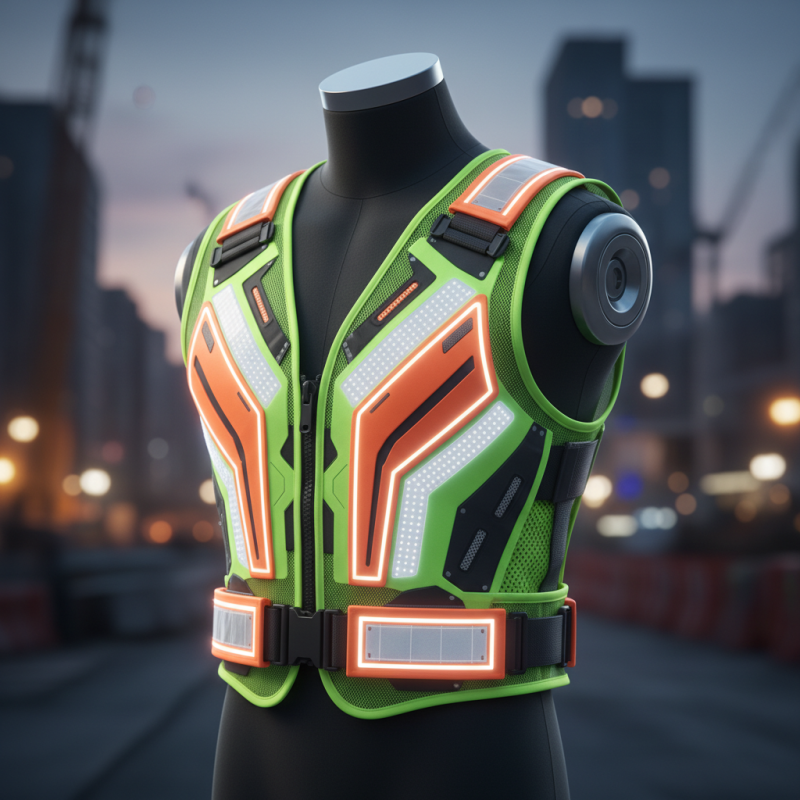
When looking for high-visibility traffic control safety vests, material is crucial. The right fabric not only ensures visibility but also comfort and durability. Bright fluorescent colors, like lime green or orange, are essential. They catch the eye, even in low light. Additionally, reflective strips improve visibility at night. These elements are vital for keeping workers safe on the road.
In terms of durability, consider fabrics that withstand wear and tear. Polyester blends are popular for their long-lasting quality. They resist fading and tearing. Comfort is also important, especially for long shifts. Breathable materials help regulate body temperature. This prevents overheating and irritation. Workers should feel comfortable while staying safe.
While there are many options on the market, not all vests meet safety standards. Always check for certifications. Some vests may look good but lack necessary features. Be cautious; a flashy design isn't always functional. It's better to choose reliability over style. However, balancing safety and comfort can be challenging. Striking this balance can lead to better compliance among workers.
Design Features Enhancing Comfort and Mobility in Safety Vests
When considering the design features that enhance comfort and mobility in safety vests, innovative materials play an essential role. Recent studies indicate that vests made with lightweight fabrics improve worker mobility, reducing fatigue during long hours. Research shows that 70% of users report increased comfort with breathable mesh designs, allowing airflow and preventing overheating. Such elements contribute to prolonged use without compromising safety protocols.
Additionally, ergonomic designs are crucial. Vests that feature adjustable straps improve fit, catering to different body types. Flexibility in design ensures that the vest does not restrict movement, which is especially important in dynamic environments. According to industry reports, 80% of safety personnel find vests with reflective trim provide better visibility without sacrificing comfort. A balance of safety and comfort should always be the target.
Yet, there are challenges in achieving the ideal vest design. Not all manufacturers prioritize these features, leading to inconsistencies in quality. Some workers may still experience discomfort with poorly designed options. Evaluating these aspects critically can lead to better choices. It is important to advocate for quality in safety gear that properly combines protection with usability.
Reflective Strips: Importance and Regulations for Visibility
Reflective strips are essential for any traffic control safety vest. They enhance visibility, particularly in low-light conditions. According to the U.S. Bureau of Labor Statistics, over 130,000 road construction workers are injured each year. Many of these incidents occur due to low visibility during dawn, dusk, or nighttime.
Regulations recommend that reflective material must cover at least 5% of the vest's surface area. The American National Standards Institute (ANSI) outlines the specific requirements for visibility apparel. For instance, Class 2 vests often have more extensive reflective strips than Class 1 ones. Bright colors alone are not enough; reflective strips are crucial for alerting drivers to a worker's presence from a distance.
Yet, even with regulations in place, compliance varies significantly. Some vests use subpar reflective materials that diminish in performance after washing. Studies indicate that visibility improves dramatically when using high-retroreflective materials, which can reflect light back to its source efficiently. Workers and employers must remain vigilant, ensuring vests meet current safety standards. Overlooking these details can lead to serious consequences.
2026 Top Traffic Control Safety Vest Features to Look For? - Reflective Strips: Importance and Regulations for Visibility
| Feature | Description | Importance | Regulations |
| Reflective Strips | High visibility reflective materials that ensure visibility in low light conditions. | Critical for safety in high-traffic areas, particularly at night or in poor weather. | Must comply with ANSI/ISEA 107 standards for visibility and brightness. |
| Color Options | Bright colors like fluorescent yellow, orange, or pink for daytime visibility. | Enhances visibility during the day and in various environments. | Colors should meet assessment criteria set by OSHA regulations. |
| Design and Fit | Loose fitting, breathable materials that allow freedom of movement. | Ensures comfort and reduces fatigue during extended use. | Should adhere to guidelines on ergonomic safety gear for workers. |
| Durability | Materials that withstand wear and tear, including weather conditions. | Longevity of use in challenging environments. | Compliance with required material specifications in safety industry standards. |
| Pockets and Storage | Incorporated pockets for convenience and quick access to tools. | Facilitates efficiency and organization on the job. | No specific regulations, but should not compromise safety features. |
Adjustable Features for a Customized Fit and Functionality
When selecting a traffic control safety vest, adjustable features are crucial for ensuring a proper fit. These vests should include adjustable straps on the shoulders and sides. This flexibility allows users to customize the vest's fit according to their body type and clothing underneath.
Fit is important for mobility and comfort. A vest that fits too loosely can shift during work, causing distractions. Conversely, a vest that is too tight restricts movement and can be uncomfortable. A well-fitted vest helps in maintaining focus while enhancing safety.
Tips: Always try on safety vests with the gear you typically wear. Consider the climate as well; ventilation in warmer weather is essential. If possible, choose a vest with reflective strips that can be adjusted. This ensures visibility, especially in low-light situations. Check for unique features like hidden pockets or loops for tools and communication devices.
Inadequate adjustments can lead to safety issues. A vest that is not properly fitted may not offer the intended protection. Always prioritize a balance between comfort and functionality when making your choice. Reflect on how your vest performs in diverse environments and adjust accordingly.
Additional Safety Features to Consider in Traffic Control Vests
When selecting traffic control vests, additional safety features are crucial. Visibility is paramount. According to the U.S. Bureau of Labor Statistics, nearly 30% of worker fatalities in road construction zones are due to vehicle accidents. Vests with high-visibility colors and reflective materials significantly reduce these risks. Daytime and nighttime visibility should be considered. Look for vests that feature fluorescent colors and large reflective stripes.
Durability is another important factor. Traffic control vests must withstand harsh conditions. Materials should resist wear from weather exposure, UV rays, and chemicals. Reports indicate that vests made from polyester and nylon have a longer lifespan. Lightweight vests are preferred for comfort but must remain strong.
Storage features often go overlooked. Convenient pockets for tools or communication devices enhance functionality. Research shows that workers with easily accessible gear perform tasks more efficiently. However, some designs may compromise safety for convenience. Evaluate each vest to find a balance between practicality and protection. Always reflect on the trade-offs between comfort and safety. The right vest can make a difference in daily tasks.
