Top 10 Rigid Vacuum Insulation Panels for Global Buyers?
In the realm of thermal insulation, Rigid Vacuum Insulation Panels (RVIPs) have emerged as a game-changer. They offer unmatched thermal performance, making them a preferred choice for various applications. From appliances to building materials, these panels provide superior insulation while being lightweight and space-efficient.
Understanding the market can be challenging. Many buyers seek reliable RVIPs without fully grasping the nuances of different options available. The quality and effectiveness of rigid vacuum insulation panels can vary significantly among manufacturers. This presents both opportunities and pitfalls for global buyers striving for optimal performance.
As we explore the top 10 rigid vacuum insulation panels, we must consider many factors. Not all panels are created equal. Some may not meet necessary standards, leading to inefficient insulation. Thus, informed decisions are vital. Buyers should look for suppliers with verified expertise and reliable product reviews. This guide aims to shed light on the best options available. It will help you navigate the complex landscape of RVIPs, ensuring you make choices rooted in quality and performance.
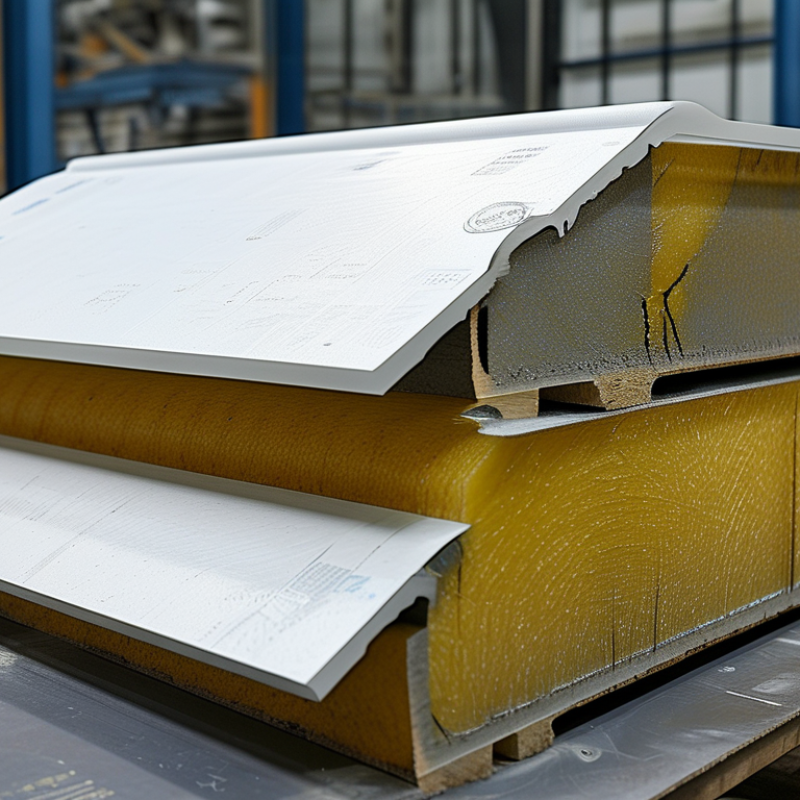
Top 10 Rigid Vacuum Insulation Panels: Overview of Market Trends
The market for rigid vacuum insulation panels is evolving rapidly. Increased demand for energy-efficient solutions is a driving force behind this growth. Industries like construction and refrigeration are adopting these panels to improve energy conservation. Rigid vacuum insulation panels provide better thermal resistance than traditional insulation materials. This efficiency leads to lower energy costs and reduced carbon footprints.
As global buyers explore options, they are faced with various challenges. Some manufacturers struggle with consistent quality. Others may have performance variances in different climates. Buyers must navigate variations in pricing and availability. Understanding these market trends is crucial for making informed decisions.
Emerging technologies in material science are transforming the production of vacuum insulation panels. Innovations can enhance durability and performance. However, not all advancements yield results that meet industry standards. Careful evaluation and testing are essential. This landscape encourages a thoughtful approach among global buyers. As the market grows, the importance of reliable suppliers becomes clear.
Key Properties of Rigid Vacuum Insulation Panels and Their Applications
Rigid vacuum insulation panels (VIPs) are known for their exceptional thermal insulation properties. They serve critical applications in various industries, from construction to refrigeration. The core strength of VIPs lies in their ability to maintain low thermal conductivity while being surprisingly lightweight. This makes them ideal for energy-efficient buildings and appliances.
When selecting a rigid VIP, consider its specific application. Insulation performance can vary significantly depending on the material composition. Look for panels that offer a balance between thermal resistance and durability. In challenging environments, durability becomes crucial; panels should withstand pressure without compromising insulation. It’s worth noting that despite their efficacy, some panels may not be suitable for every application.
Understanding how to install rigid VIPs is essential. Improper installation can lead to thermal bridging, reducing their efficiency. Always ensure proper sealing and optimal placement during installation. Regular maintenance should also be planned, as long-term exposure to moisture can affect performance.
Efficient insulation can lead to substantial energy savings. Investing in quality rigid VIPs can lower heating and cooling costs. With careful selection and proper application, they can make a significant difference in energy efficiency.
Comparative Analysis of Leading Brands in Rigid Vacuum Insulation Industry
The rigid vacuum insulation panel (VIP) industry has experienced significant growth due to increasing energy efficiency demands. According to a market report by Grand View Research, the global VIP market size was valued at approximately $1.2 billion in 2021 and is expected to expand at a compound annual growth rate (CAGR) of 10.6% from 2022 to 2030. This projection highlights the critical role that VIPs play in various applications, including building insulation and refrigeration.
Key attributes of leading brands encompass thermal performance, durability, and environmental impact. A comparative analysis indicates that high thermal resistance is a primary feature that buyers seek. Panels with a thermal conductivity as low as 0.007 W/m·K are becoming standard. Moreover, the lifecycle assessment of VIPs reveals that while most products offer excellent insulation, they can sometimes lack recyclability options, raising sustainability concerns. These factors necessitate a careful evaluation when selecting a brand.
Innovative developments in the rigid VIP sector include the integration of sustainable materials. However, not all market players adhere to these practices, demonstrating a gap in environmental responsibility. Buyers should keep an eye on brands' commitments to eco-friendly technologies as they navigate options. This approach not only reflects their responsibility but also addresses an evolving consumer preference for sustainable products in a technology-driven marketplace.
Top 10 Rigid Vacuum Insulation Panels - Market Analysis
Cost-Benefit Analysis of Investing in Vacuum Insulation Technologies
Investing in vacuum insulation technologies offers notable cost advantages over time. These rigid vacuum insulation panels excel at minimizing thermal conductivity, which translates to lower energy expenses. While the initial investment may seem high, the long-term savings on heating and cooling costs justify the expense. Many industries, including construction and refrigeration, benefit from these panels due to enhanced energy efficiency.
Consider the size and shape of your project when selecting vacuum insulation materials. Not all panels are created equal, and the performance can vary significantly based on the application. Take time to research different options. Seek out expert advice if needed. It’s essential to evaluate the insulation's lifespan as well, as some options might require replacement sooner than others.
In exploring rigid vacuum insulation panels, examine your specific needs. The array of choices can be overwhelming, but a clear understanding of your requirements will guide you. Reflect on balancing upfront costs against future savings. This reflection is vital for smart investments that pay off in the long run.
Future Outlook: Innovations and Sustainability in Vacuum Insulation Panels
Vacuum insulation panels (VIPs) are crucial in advancing energy efficiency. The market for these materials is projected to grow significantly, driven by a surge in demand for thermal insulation. According to a report by MarketsandMarkets, the VIP market is expected to reach USD 10.4 billion by 2025, growing at a CAGR of 12.5%. This growth reflects international efforts in sustainability.
Innovations in VIP technology focus on enhancing the core material and reducing costs. New formulations are being explored that combine traditional materials with bio-based options. These advancements might improve insulation performance while minimizing environmental impact. Recent studies highlight that bio-based materials can lower carbon emissions by 20% compared to conventional insulation.
Challenges persist in achieving widespread adoption of VIPs. The high production costs remain a barrier. Furthermore, quality control in the manufacturing process is critical. Poorly produced panels can lead to reduced effectiveness and dissatisfaction among buyers. The industry must address these challenges to realize the full potential of vacuum insulation in design and application.
Top 10 Rigid Vacuum Insulation Panels
| Rank | Material Type | R-Value | Thickness (mm) | Applications | Sustainability Features |
| 1 | Polyurethane | R-10 | 40 | Building Insulation | Recyclable materials |
| 2 | Polystyrene | R-12 | 25 | Cold Storage | Low emission |
| 3 | Aerogel | R-15 | 30 | Industrial Applications | Non-toxic, durable |
| 4 | Vacuum Glass | R-9 | 20 | Windows & Facades | Energy-efficient design |
| 5 | XPS Foam | R-8 | 50 | Roofing & Walls | Recyclable processing |
| 6 | Cork | R-7 | 15 | Sustainable Building | Biodegradable |
| 7 | Fiberglass | R-6 | 40 | Insulation Panels | Recycled fibers |
| 8 | Polyethylene | R-5 | 20 | Flexible Insulation | Lightweight, durable |
| 9 | Bamboo Fiber | R-7 | 15 | Eco-friendly Insulation | Renewable resource |
| 10 | EPS (Expanded Polystyrene) | R-4 | 50 | Packaging & Insulation | Easy to recycle |
