Top Residential Window Solutions for Modern Homes and Energy Efficiency
In the realm of modern architecture, effective residential window solutions play a crucial role. Homeowners today prioritize energy efficiency and aesthetic appeal. Quality windows can significantly enhance comfort and reduce energy costs. Choosing the right residential window solutions requires careful consideration and expertise.
Selecting windows is not merely about aesthetics. It's essential to understand how various materials and designs influence energy performance. Some windows may look appealing but offer minimal insulation. On the other hand, high-performance windows can vastly improve energy efficiency while maintaining a modern look.
Moreover, trends in window technology are evolving. Innovative features, such as double or triple glazing, are gaining popularity. These advancements may seem daunting, but they are worth exploring for better performance. Reflecting on our needs is vital in making the right choice for our homes. Balancing style, efficiency, and budget can be challenging yet rewarding.

Modern Window Materials Suitable for Residential Use
Modern homes demand innovative window solutions. Choosing the right materials has a significant impact on energy efficiency. According to a recent study by the U.S. Department of Energy, replacing old windows with energy-efficient alternatives can save homeowners up to 15% on heating and cooling costs.
Various materials are gaining traction for residential windows. Vinyl is highly popular due to its durability and affordability. It offers great insulation properties, reducing energy loss. Aluminum is another option, valued for its strength and sleek designs. However, it tends to conduct heat, making it less efficient unless insulated properly. Fiberglass is emerging as a strong contender. It has a minimal thermal expansion rate, meaning it retains its shape and insulation value better over time. This can lead to lower maintenance costs.
Yet, there are challenges. Not all energy-efficient windows perform equally in every climate. Homeowners might need to consider local conditions when making choices. There can also be considerable upfront costs associated with high-performance windows. While the long-term savings may be evident, the initial investment can deter some buyers. Balancing energy efficiency with budget constraints remains a common issue in residential renovations.
Energy-Efficient Window Technologies for Homeowners
Homeowners increasingly seek energy-efficient window technologies to enhance comfort and reduce energy costs. These windows play a crucial role in maintaining indoor temperatures, significantly impacting heating and cooling bills. Energy-efficient windows often feature multiple panes of glass, which provide better insulation compared to single-pane alternatives. Low-emissivity (Low-E) coatings on the glass minimize heat transfer, allowing more sunlight to enter while blocking harmful UV rays.
The choice of frame material is also vital. Vinyl and fiberglass frames tend to offer superior insulation properties compared to traditional wood or aluminum. The use of argon or krypton gas fills between panes further boosts efficiency. However, even with advanced technologies, it is critical to consider local climate conditions and installation practices. Improper sealing can undermine any window's energy efficiency, resulting in drafts and higher energy costs.
While these solutions promote sustainability, they come with their own challenges. For instance, initial costs can be high, and not all homeowners may see an immediate return on their investment. Regular maintenance is often required to ensure optimal performance over time. It is essential for homeowners to evaluate their unique needs and conduct thorough research to find the best solutions that align with their energy efficiency goals.
Design Trends in Contemporary Residential Windows
Modern residential windows are evolving to reflect contemporary design trends while enhancing energy efficiency. Sleek lines and minimalistic designs dominate today's aesthetics. According to a 2022 report by the U.S. Department of Energy, proper window installation can reduce energy costs by 10% to 30%. The focus on larger panes of glass maximizes natural light, creating open, airy spaces. However, this trend raises concerns about heat loss during colder months.
Sustainable materials have gained popularity. Homeowners seek windows made from recycled or renewable resources. This shift aligns with the increasing demand for eco-friendly homes. Data from the American Institute of Architects indicates that 68% of homeowners prioritize energy-efficient features. The challenge lies in balancing aesthetics with performance. Proper glazing options are essential for achieving both beauty and insulation. The use of low-emissivity coatings can improve thermal performance but may affect the visual appeal.
Current trends also incorporate smart technology. Automated window systems can optimize ventilation and daylight, contributing to a healthier indoor environment. Yet, affordability remains an issue for many. Not all homeowners can invest in high-tech solutions. These evolving trends reflect a commitment to functionality and design. Nonetheless, the quest for energy efficiency continues to drive innovation in the window industry.
Benefits of Energy-Efficient Windows for Modern Homes
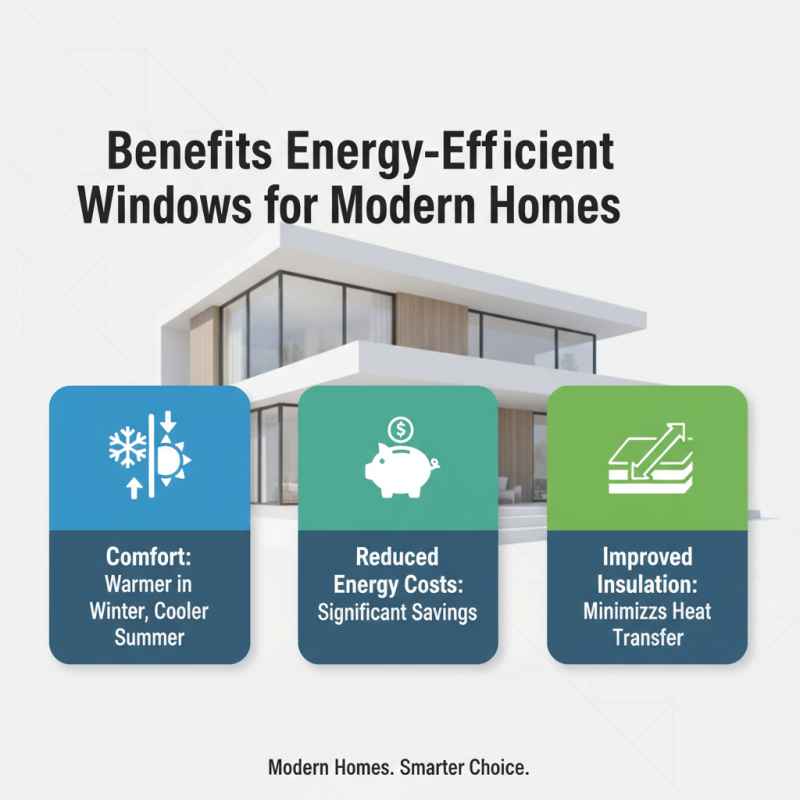
Energy-efficient windows offer numerous benefits for modern homes. These windows help reduce energy costs. They keep homes warmer in winter and cooler in summer. Improved insulation is a key feature. This insulation minimizes heat transfer, leading to significant savings over time.
Moreover, these windows enhance comfort. They reduce drafts, making indoor spaces more pleasant. A uniform temperature throughout the home makes a difference. Additionally, energy-efficient windows can reduce noise pollution. They create a quieter environment, contributing to overall well-being.
Investing in these windows can also boost property value. Homebuyers increasingly seek energy-efficient features. However, selecting the right windows isn't always straightforward. Homeowners must consider factors like local climate and architectural style. Balancing these elements is crucial. In the end, the right choice enhances both aesthetics and efficiency.
Choosing the Right Windows for Climate and Energy Needs
Selecting the right windows for your home is crucial, especially in terms of climate and energy efficiency. Different climates demand various window characteristics. For instance, homes in colder regions benefit from triple-glazing, which provides superior insulation. Homes in warmer areas, on the other hand, require windows that can reflect sunlight and reduce heat gain.
Consider window orientation as well. South-facing windows can maximize sunlight in winter but may lead to overheating in summer. Using low-emissivity (Low-E) coatings can help manage heat transfer effectively. These choices can greatly enhance energy efficiency, reducing reliance on heating and cooling systems.
However, not all energy-efficient windows are perfect. Some may struggle with condensation issues in humid climates. Others might not fit perfectly, leading to air leaks. Homeowners should invest time in researching local climate conditions. Consulting with professionals can help avoid pitfalls and ensure the windows perform as expected.
Top Residential Window Solutions for Modern Homes and Energy Efficiency
| Window Type |
Energy Efficiency Rating (U-Value) |
Materials |
Climate Suitability |
Estimated Cost ($ per unit) |
| Double Glazed Windows |
0.3 |
Vinyl, Aluminum |
Moderate to Cold Climates |
150 - 400 |
| Triple Glazed Windows |
0.2 |
Wood, Fiberglass |
Cold Climates |
300 - 800 |
| Low-E Coated Windows |
0.25 |
Vinyl, Wood |
All Climates |
200 - 600 |
| Impact-Resistant Windows |
0.35 |
Aluminum, Laminated Glass |
Windy and Coastal Areas |
400 - 900 |
| Casement Windows |
0.28 |
Vinyl, Wood |
All Climates |
200 - 500 |