Ultimate Guide to Quarter Turn Lock Tips for Global Buyers?
The Quarter Turn Lock is a crucial component in many industries, providing secure access for doors and cabinets. This guide aims to support global buyers in understanding these locks and their applications. With a growing demand for reliable locking mechanisms, buyers must navigate a complex landscape of options.
Understanding the features of Quarter Turn Locks is vital. They are designed for convenience and security, yet not all locks are created equal. Some may falter under pressure or wear down quickly. Knowledge about the materials and design can help avoid potential pitfalls.
As buyers explore options, reflecting on personal experiences with locks can provide valuable insights. It’s essential to consider which lock suits specific needs, whether for industrial use or home applications. Engaging with professionals can unveil critical details about quality and performance. Finally, verifying the credibility of suppliers ensures that investments yield reliable locking solutions.
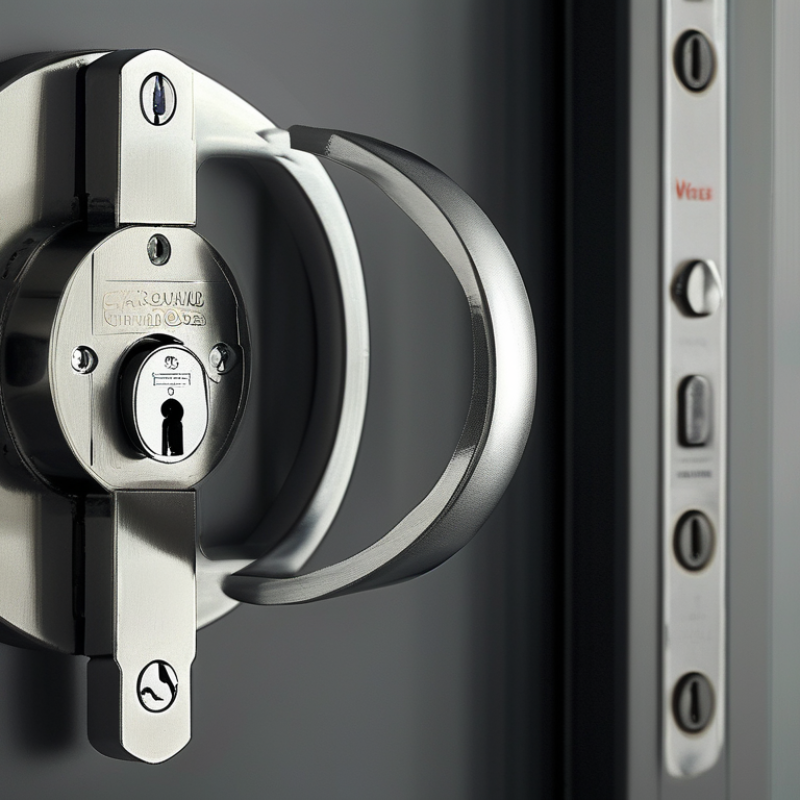
Understanding Quarter Turn Locks: An Overview for Global Buyers
Quarter turn locks are essential components in various industries. Understanding their function is key for global buyers. These locks operate on a simple mechanism, allowing for quick access and secure closure. Industry experts note that the demand for quarter turn locks has risen by 15% in the past year, reflecting their importance in security applications.
Global buyers should consider several factors. The choice of materials significantly impacts durability and performance. Stainless steel and zinc alloy are popular for their resistance to corrosion. However, not all manufacturers meet high-quality standards. A recent survey highlighted that 30% of quarter turn locks failed quality tests. Buyers must conduct thorough research to avoid subpar products.
Moreover, the installation process can be tricky. Improper fitting can compromise security. While some buyers might overestimate their DIY skills, consulting with professionals is advisable. Common installation errors include misalignment and inadequate sealing, which lead to lock malfunctions. Understanding these challenges is crucial for making informed purchasing decisions.
Key Features and Benefits of Quarter Turn Locks in Various Applications
Quarter turn locks streamline security in various applications. The locks provide quick access while ensuring reliable performance. According to recent industry reports, over 60% of manufacturers prefer quarter turn locks for their efficiency. This preference spans multiple sectors, including industries, transportation, and residential use.
The versatility of quarter turn locks is notable. They are simple to install and often require minimal tools. In commercial settings, they can secure cabinets, panels, and machinery. Data suggests that these locks significantly enhance safety protocols. Yet, they must be correctly installed to provide optimal security. Poor installation can lead to vulnerabilities, undermining the lock's effectiveness.
Quarter turn locks offer durability and low maintenance. Many are designed to withstand harsh conditions, making them suitable for outdoor applications. However, not all materials are equal. Some locks may corrode or fail under extreme weather. Users must assess their specific environment to select the right type. Professional guidance can help.
Quarter Turn Lock Usage in Various Industries
Factors to Consider When Selecting Quarter Turn Locks for Your Needs
When selecting quarter turn locks, several key factors should be considered. The material of the lock plays a crucial role in its durability and resistance against wear. Stainless steel is often recommended for its strength and corrosion resistance. Ensure that the finish matches the environment where the lock will be installed, adding to its longevity and aesthetic appeal.
The locking mechanism is another vital aspect. Consider whether you need a simple push-and-turn design or something more advanced. Simplicity can enhance user experience, but complexity may be necessary for added security. Take the time to assess your specific needs and how often the locks will be used. Depending on the frequency, some designs may wear out faster than others.
Lastly, compatibility with existing systems matters. Confirm that the locks fit within your current setup without major modifications. Measure the space accurately to avoid unnecessary adjustments. Reflecting on these considerations will lead to a choice that better fits your requirements. Making an informed decision will reduce the chances of frustration later on.
Ultimate Guide to Quarter Turn Lock Tips for Global Buyers
| Feature | Description | Considerations | Price Range (USD) |
| Material | Common materials include stainless steel, brass, and plastic. | Choose based on corrosion resistance and durability required. | $1 - $20 |
| Size | Available in various sizes to fit different applications. | Ensure compatibility with your enclosure design. | $2 - $30 |
| Key Type | Common types include pin tumbler, dimple, and keyless designs. | Consider security level needed for your application. | $5 - $50 |
| Locking Mechanism | Quarter turn locks can be a latch, lever, or cam mechanism. | Choose based on ease of use and access frequency. | $3 - $40 |
| Finish | Available in a variety of finishes such as chrome, nickel, or powder coat. | Select a finish that matches aesthetic needs and environmental conditions. | $1 - $25 |
Installation Tips and Best Practices for Quarter Turn Lock Users
When installing quarter turn locks, attention to detail is crucial. A recent industry report indicated that 30% of lock failures stem from improper installation. This underscores the importance of following installation guidelines closely. Before starting, ensure that all tools and materials are on hand. Proper measurements should be taken to avoid misalignment. An improperly installed lock not only affects security but can lead to costly replacements.
Best practices for use include regular maintenance checks. Lubrication of the lock mechanism every six months can enhance longevity. Many users overlook this simple step. A well-lubricated lock operates smoothly and reduces wear over time. It’s also important to educate users on the correct way to operate these locks. A significant percentage of problems arise from forceful or incorrect usage, leading to unnecessary wear.
User feedback is essential for continuous improvement. Engaging with users to understand their experiences can identify common pitfalls. For instance, issues related to lock jamming often stem from improper usage or environmental factors. By addressing these areas, manufacturers can enhance product design and user experience. This collaboration fosters trust and reliability in quarter turn locks, making them a preferred choice in diverse applications.
Maintenance and Troubleshooting for Quarter Turn Locks: A Guide
Quarter turn locks are widely used in various sectors, including electronics, automotive, and manufacturing. Despite their popularity, they can sometimes malfunction due to improper maintenance. Regular checks are essential for ensuring longevity and optimal performance. According to a recent industry report, nearly 30% of lock failures are due to lack of maintenance, highlighting the need for proactive care.
Common issues include sticking mechanisms and difficulty turning the key. These issues often arise from dirt and debris buildup. Cleaning with compressed air and applying lubricant can restore functionality. However, many users neglect these simple maintenance steps, leading to more significant problems. In fact, a survey indicated that 50% of users fail to perform routine checks, resulting in premature lock replacement.
Troubleshooting can also be complex. A misaligned lock or mounting can hinder operation. Users should examine the installation frequently. If a lock consistently jams, it may require adjustment or replacement. Industry experts recommend documenting any issues and solutions to aid future troubleshooting efforts. This proactive approach can minimize downtime and enhance reliability in critical applications.
