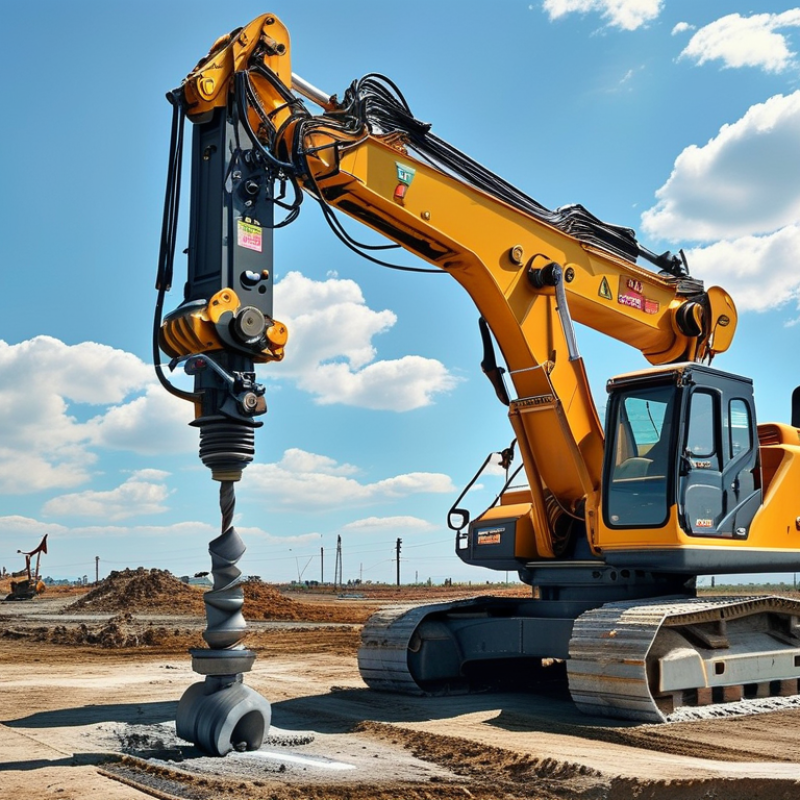
How to Choose the Best Hydraulic Rotary Drilling Rig for Your Needs?
When selecting the right Hydraulic Rotary Drilling Rig, expert insights are invaluable. According to Dr. Mark Stevens, a leading figure in drilling technology, “The choice of rig directly impacts your project's success and efficiency.” This statement emphasizes the importance of a well-informed decision-making process.
Hydraulic Rotary Drilling Rigs come in various types, each with distinct features. Understanding your specific needs helps narrow down options. Factors include soil conditions, project size, and depth requirements.
Choosing the best rig is not just about features but also reliability. Many contractors overlook maintenance history and support services. They often regret this oversight during crucial project phases. Hence, it is essential to research and consult experts in the field before making a choice.
Understanding Hydraulic Rotary Drilling Rigs and Their Applications
Hydraulic rotary drilling rigs are essential for various construction and geological applications. They are particularly useful in creating deep foundation piles, large-diameter holes, and for soil investigations. According to industry reports, the global hydraulic rotary drilling rig market was valued at approximately $2.5 billion in 2022 and is projected to grow at a CAGR of 6% over the next five years. Understanding their applications can guide users in selecting the right rig for their needs.
These rigs employ hydraulic systems to rotate and penetrate different soil types effectively. They can tackle challenging terrains, such as clay, gravel, and even rocky surfaces. Each application requires specific features, such as torque output and depth capability. Reports suggest that projects involving geothermal energy installations have increased demand for rigs capable of drilling up to 100 meters deep. However, many operators fail to consider the rig's weight and transportation ease, which can be crucial in site access.
Investing in a hydraulic rotary drilling rig necessitates careful evaluation. Users must reflect on their specific requirements, such as the type of soil and depth of drilling needed. In the pursuit of efficiency, some overlook the importance of operator training. The effectiveness of the rig is only as good as the person operating it. Ensuring proper knowledge can significantly impact project success and reduce downtime.
Key Factors to Consider When Choosing a Hydraulic Rotary Drilling Rig
Choosing the right hydraulic rotary drilling rig involves several critical factors. First, assess the project's specific requirements. The depth and diameter of the borehole are crucial. For example, larger diameter boreholes often require rigs with more torque and greater lifting capacity. According to a recent industry report, rigs with over 500,000 pounds of pullback capability are essential for deep foundation projects.
Another key factor is the mobility of the rig. In confined or challenging job sites, a compact design is advantageous. Rigs equipped with tracks can traverse rough terrain better than wheeled models. Data suggests that mobile rigs can cut setup time by up to 30%, ensuring a more efficient project timeline.
Tips: Always consider whether the rig has a user-friendly control system. Operators should feel comfortable using it. Additionally, assess the maintenance requirements. A rig that is hard to service can lead to costly downtime. Balancing these factors can significantly impact the rig's efficiency and your project's overall success.
Evaluating the Performance and Specifications of Drilling Rigs
When evaluating hydraulic rotary drilling rigs, performance is a key factor. Look for rigs that demonstrate consistent torque and rotational speed. These parameters indicate how well the rig can handle various soil conditions. High performance in drilling translates to efficiency on job sites, impacting overall productivity.
Specifications are equally important. Consider the rig's depth capability and casing diameter. These specs dictate the rig’s suitability for specific projects. Pay attention to weight and mobility as well. Heavier rigs often provide stability but may limit access to tight spaces.
Reflecting on these factors can reveal areas needing improvement. For instance, a rig with impressive specs may lack adequate service support. Understanding both strengths and weaknesses helps in making an informed decision. A well-rounded evaluation leads to the best choice for your drilling needs.
How to Choose the Best Hydraulic Rotary Drilling Rig for Your Needs?
| Rig Model | Max Depth (m) | Max Diameter (mm) | Power (kW) | Weight (kg) | Mobility Type |
| Model A | 100 | 600 | 250 | 4000 | Tracked |
| Model B | 150 | 800 | 300 | 5000 | Wheeled |
| Model C | 120 | 700 | 275 | 4500 | Tracked |
| Model D | 180 | 900 | 350 | 6000 | Wheeled |
Budgeting for Your Hydraulic Rotary Drilling Rig: Costs and Financing Options
When budgeting for a hydraulic rotary drilling rig, understanding costs is crucial. The price range for these rigs can vary widely, reflecting their capabilities. Basic models typically start around $100,000, while high-end rigs can exceed $1 million. According to industry reports, maintenance costs often add another 10-15% annually. Factoring in these expenses is essential for accurate budget planning.
Financing options are available to ease the financial burden. Many companies provide flexible payment plans, making it possible to spread costs over time. A study from the National Equipment Finance Association indicates that nearly 80% of contractors use financing for heavy equipment. This approach can improve cash flow and allow companies to invest in other areas.
However, financing should not be taken lightly. Some options come with high-interest rates, which can inflate the overall cost. It's important to compare different lenders and their terms carefully. Transparency in fees and conditions is key to making an informed decision. Ultimately, investing time in understanding these aspects can lead to a more sustainable financial strategy.
Maintenance and Support Services for Hydraulic Rotary Drilling Rigs
Choosing the right hydraulic rotary drilling rig involves not just the purchase decision, but also understanding maintenance and support. Maintenance is crucial for ensuring long-term performance. Regular inspections prevent breakdowns and costly repairs. A proactive approach to maintenance saves time and extends the rig's life.
Support services play an essential role. Trained technicians can provide timely assistance, whether for repairs or routine check-ups. Access to replacement parts is vital. It minimizes downtime and helps maintain operational efficiency. Poor support can lead to frustration and delays in projects.
Investing in a drilling rig means committing to its upkeep. It’s important to evaluate the availability of local support services. Some buyers may overlook this aspect, leading to difficulties when they need help. A reliable maintenance plan ensures you are never left in the lurch. Balancing performance with support services is a critical decision.