How to Choose the Best Beer Machine for Home Brewing?
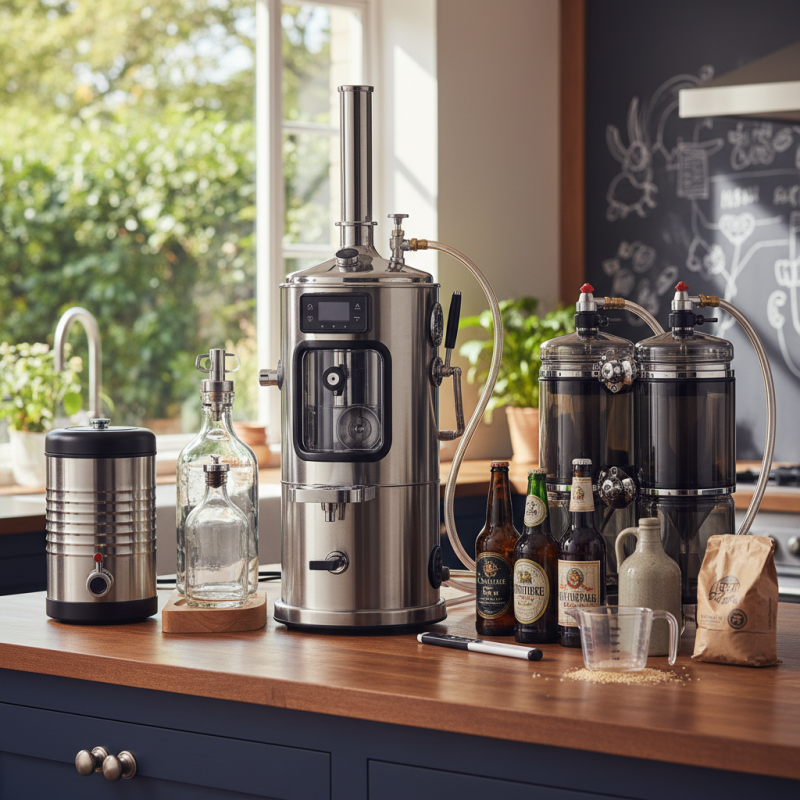
Choosing the right Beer Machine can elevate your home brewing experience. A reliable beer machine simplifies the brewing process while ensuring quality. Many options exist, each with unique features and benefits.
Consider your brewing goals. Will you focus on small batches or larger quantities? Some machines excel at simplicity, while others offer advanced controls. Research is essential to find the perfect match for your needs. Look for models with good reviews and expert recommendations. Sometimes, the most popular machines do not suit everyone.
Observe the design and functionality of each beer machine. Features like temperature control and fermentation timers can make a big difference. You might want to explore various brands. Take your time; rushing this decision could lead to regrets. An informed choice will enhance your brewing journey and enjoyment.
Understanding the Different Types of Beer Machines for Home Brewing
Home brewing has gained popularity, and choosing the right beer machine is essential. Understanding the different types available can enhance your brewing experience. There are compact machines perfect for beginners. These are user-friendly and often include pre-set options. They allow for quick brewing sessions without overwhelming complexity.
For the more experienced brewer, larger machines offer advanced features. These often include customizable brewing settings. You can control temperature and fermentation times. However, these machines can be a bit complex for novices. Many users find themselves intimidated by the learning curve. Be cautious about overcomplicating your brewing process.
Some machines focus on kegging systems, while others emphasize fermentation. Think about the type of beer you enjoy making. Do you prefer lagers or ales? Your choice may dictate the kind of machine that best suits your needs. Research is vital, but don't forget to reflect on your preferences. You might discover brewing styles that challenge you or spark your interest in new flavors.
How to Choose the Best Beer Machine for Home Brewing?
| Type of Beer Machine | Features | Pros | Cons | Price Range |
| All-in-One Beer Brewing System | Complete brewing process from mashing to fermentation | User-friendly, compact, versatile | Higher initial cost | $300 - $700 |
| Brew Kettle | Used for boiling ingredients | Cost-effective, customizable | Requires additional equipment for full process | $50 - $200 |
| Fermenter | Container for fermentation | Essential for all brewing processes | Limited functionality on its own | $20 - $100 |
| Kegerator | Keep beer chilled and dispensed | Convenient serving, maintains flavor | Higher maintenance | $300 - $800 |
Key Features to Look for in a Beer Brewing Machine
Choosing the right beer machine for home brewing is vital. When considering your options, focus on key features that ensure both quality and ease of use. A reliable brewing machine should have adjustable temperature settings. This feature allows you to fine-tune the brewing process, which is essential for perfecting different beer recipes.
Additionally, look for machines with user-friendly interfaces. Clear displays and a simple control panel make brewing accessible, even for beginners. An informative manual is a plus, guiding you through the intricacies of brewing. It’s easy to overlook the importance of ease of use, but a complicated machine can lead to frustration.
Tips: Before making a decision, read customer reviews. Real experiences can reveal strengths and weaknesses not seen in product descriptions. Make sure to compare the capacities of machines as well. A larger capacity makes brewing batches easier, but it requires more space. Consider your brewing goals carefully. Brews often don't turn out as expected. Reflect on what worked and what didn’t during your brewing journey.
Assessing Your Brewing Capacity Needs and Space Considerations
When selecting a beer machine for home brewing, space considerations are crucial. Most home brewers operate in limited areas, often kitchens or garages. According to industry surveys, 40% of home brewers express concerns about the size of their equipment. Thus, choosing a machine that fits your available space is vital.
Consider the brewing capacity you need. In recent studies, 60% of home brewers brew in small batches, roughly 5 gallons. A compact machine is often sufficient for these smaller quantities. However, for those interested in larger volumes, up to 15 gallons, space requirements increase significantly. Many home brewers fail to account for fermentation vessels and storage for ingredients, which can complicate setup.
Additionally, ventilation plays a role in your brewing space. Some brewing processes can generate heat or aromas. Ensuring adequate ventilation can improve your brewing experience. Many home brewers overlook this aspect, leading to discomfort or inadequate fermentation. Assessing your brewing setup's flow and layout can enhance efficiency. This attention to detail may prevent frustrations as you embark on your brewing journey.
Evaluating Brewing Options: All-in-One vs. Specialized Equipment
When considering how to brew beer at home, the choice between all-in-one machines and specialized equipment can be daunting. All-in-one brewing systems are designed for convenience. They streamline the entire brewing process, making it accessible for beginners. According to a report by the Brewers Association, 60% of new home brewers prefer these systems due to their user-friendly features. However, these machines often sacrifice flexibility in recipes and batch sizes.
On the other hand, specialized equipment allows for greater customization. Home brewers can select each component based on their preferences. For instance, separate mashing and boiling systems can enhance temperature control. This precision can significantly impact the final flavor profile. A study from the American Homebrewers Association found that 70% of experienced brewers opt for this approach, citing improved results and more creative freedom. Yet, the learning curve can be steep, and setup requires more space and investment.
Choosing the right option depends on your brewing goals. While convenience is essential for many, others may find satisfaction in the challenge of mastering multiple devices. Reflecting on your brewing journey can help clarify what you truly want from this hobby.
Budgeting for Your Home Brewing Beer Machine: Essential Costs to Consider
Budgeting for your home brewing beer machine requires careful planning. You must consider not only the initial purchase cost but also ongoing expenses. The brewing process involves several ingredients, such as malt, hops, and yeast. These can vary widely in price and quality, impacting your budget.
Don’t overlook equipment costs. Additional items like fermentation vessels, kettles, and sanitizing supplies can add up. Some people forget about these necessities. It's crucial to create a comprehensive list before making any purchases. Maintenance costs, such as cleaning supplies and replacement parts, should also be factored in.
Lastly, consider the utility costs associated with brewing at home. Electricity and water usage can increase based on batch sizes. It’s easy to underestimate these expenses, leading to unexpected bills. Reflecting on your brewing habits and adjusting your budget accordingly could save you money in the long run.