How to Choose the Right Laminated FIBC Bag for Your Needs?
Choosing the right laminated FIBC bag can be a daunting task. With various types and applications available, understanding your specific needs is crucial. According to industry expert John Smith, "Selecting the right laminated FIBC bag requires careful consideration of both material and purpose." His insight highlights the importance of informed choices in this arena.
Laminated FIBC bags offer enhanced durability and moisture resistance. They are ideal for transporting powders, granules, and various bulk materials. However, not all laminated bags are created equal. Different industries have unique requirements. It is vital to assess the bag's specifications carefully. Consider factors like weight capacity, design, and environmental conditions.
Many businesses overlook subtle details when selecting laminated FIBC bags. This can lead to inefficiencies. Each application demands tailored solutions. Reflecting on past experiences can guide better choices. A laminated FIBC bag that works for one product may not be suitable for another. Understanding these nuances is essential for optimal use.
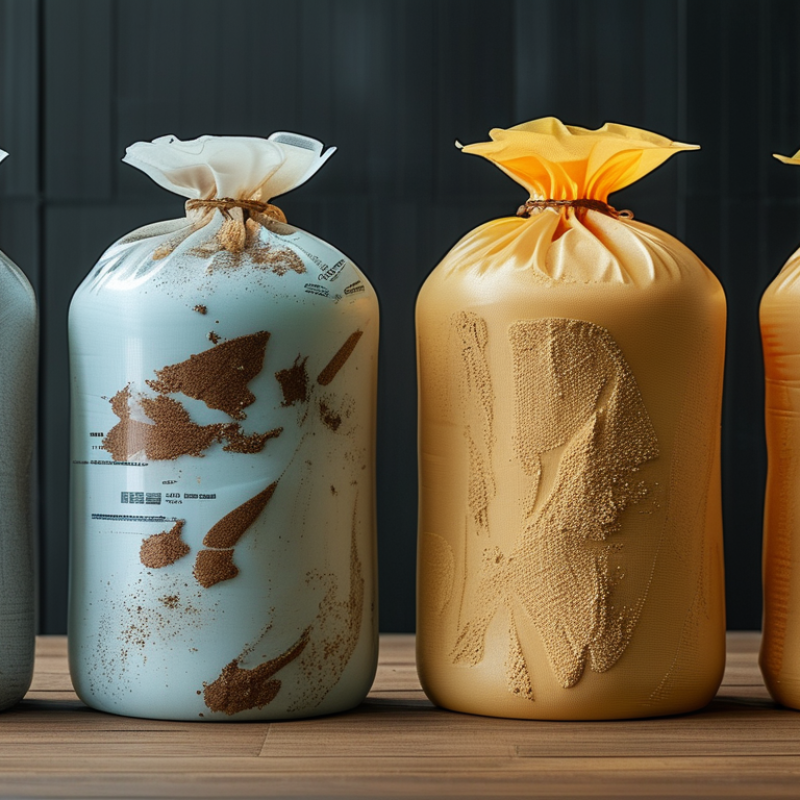
Understanding Laminated FIBC Bags and Their Applications
Laminated FIBC bags are versatile and widely used in various industries. They are designed to hold bulk materials securely, making them ideal for storage and transportation. These bags feature a layer of lamination that enhances strength, moisture resistance, and durability. This quality is crucial for protecting the contents from environmental factors.
Different industries utilize laminated FIBC bags for their specific needs. For example, food manufacturers prefer these bags to guarantee hygiene and safety. Chemicals and construction materials often require stronger bags that can withstand heavy loads. When selecting a bag, consider the intended application, desired strength, and environmental exposure.
However, it’s essential to understand that not all laminated bags fit every purpose. Some applications may expose the bags to harsh chemicals. Others may require specialized features like UV resistance. Additionally, the dimensions and weight capacity must align with your materials. Making the wrong choice may lead to leaks or product loss. Therefore, thorough research and consultation with suppliers can help in finding the most suitable option.
How to Choose the Right Laminated FIBC Bag for Your Needs?
| Dimension | Capacity (kg) | Material Type | Application | Features |
| 90 x 90 x 120 cm | 1000 | PP Laminated | Chemicals | UV Resistant, Water Proof |
| 80 x 80 x 140 cm | 750 | Woven PP | Food Grains | FDA Approved, Easy to Clean |
| 100 x 100 x 120 cm | 1250 | Laminated Woven | Construction Materials | Heavy Duty, Anti-Slip |
| 85 x 85 x 130 cm | 800 | Coated Fabric | Petroleum Products | Chemical Resistance, Durable |
| 90 x 90 x 150 cm | 1100 | Laminated Polypropylene | Cement | Heavy Load Capacity, Moisture Proof |
Key Factors to Consider When Selecting Laminated FIBC Bags
Choosing the right laminated FIBC bag requires careful consideration of several factors. Material quality is crucial. Look for bags made from high-density polyethylene (HDPE). This ensures durability and resistance to moisture. The thickness of the fabric also matters; thicker bags often provide better protection.
Next, consider the bag’s capacity. Determine the volume you need. Different applications require different sizes. A common choice is the 1000 kg capacity for bulk materials. Make sure the bag can support your requirements without risk of breakage.
Don't overlook the bag's closing mechanism. Options include drawstring, flap, or stitched tops. Choose one that suits your handling process. It’s also worth noting that not all bags are created equal. Some may have design flaws or weak areas. Always inspect samples before making a final decision.
Comparing Different Types of Laminated FIBC Bags
When choosing laminated FIBC bags, it’s crucial to compare the different types available on the market. Laminated bags typically come in multiple configurations, influencing their strength and usability. For instance, industry studies indicate that bags with a polyethylene (PE) lamination are water-resistant and ideal for outdoor applications. In agriculture, these bags have shown a moisture resistance rate of over 90%.
Another common option is polypropylene (PP) laminated bags, which offer an excellent balance of durability and flexibility. According to recent data from the Flexible Intermediate Bulk Container Association, these bags can hold up to 2,200 pounds of material without compromising integrity. This makes them suitable for construction and heavy-duty applications. However, it’s important to be aware that they may also cost more than non-laminated alternatives.
A key consideration is how the specific bag type aligns with your needs. Cost vs. durability often creates a dilemma. Opting for cheaper, non-laminated bags might save money upfront, but they may lack long-term reliability. As you evaluate your options, reflect on the specific requirements of your industry. Consider factors such as climate and material characteristics. Each decision carries its own set of consequences that could impact efficiency or safety in your operations.
Assessing Load Capacity and Dimensions of Laminated FIBC Bags
Choosing the right laminated FIBC bag begins with assessing load capacity. Different bags offer various capacities based on material strength and design. For example, some bags can hold up to 2,000 kg, while others support lighter loads. It’s essential to consider what you will pack. Will it be heavy materials or more lightweight products? This decision impacts your safety and efficiency.
Dimensions play a significant role in the effectiveness of your packaging. The size of the bag must align with the product dimensions. Too large a bag can lead to damage during transport. Conversely, a bag that is too small may not accommodate your goods. Think about the available space in your storage or transport area. Ensure the bags fit comfortably in those spaces.
Keep in mind that not every bag will meet every need perfectly. You may discover some limitations as you experiment with different options. It can be frustrating when a bag doesn't perform as expected. Reflect on the features that matter most to you. Are you prioritizing durability or flexibility? Finding the right balance is key for successful operations.
Evaluating Cost, Durability, and Environmental Factors
When selecting a laminated FIBC bag, evaluating cost, durability, and environmental impact is essential. According to a recent market analysis, the global FIBC market is projected to reach USD 6.2 billion by 2026, fueled by the demand for environmentally-friendly packaging solutions. Durability is vital for these bags. High-quality bags can withstand diverse conditions, like moisture and temperature variations, extending their lifespan significantly.
Cost is another key factor. You don't want to overspend on material that may not be necessary for your load. Evaluating all options against their performance metrics is a smart approach. Studies indicate that businesses can save up to 30% by choosing the right bag suited for their specific needs.
Tips for choosing the right bag:
- Consider the bag's weight tolerance; ensure it aligns with your needs.
- Look for certifications that indicate environmental standards.
- Analyze your storage conditions before making a decision.
Reflect on the environmental implications. The demand for eco-friendly materials is rising, yet not all manufacturers comply with sustainability practices. This inconsistency can create challenges in comparing products. Always ask for clarification on materials used to ensure they are environmentally responsible.
