How to Choose the Right Carbon Fiber Square Tube for Your Needs?
Choosing the right Carbon Fiber Square Tube can significantly impact your project’s success. In industries like aerospace and automotive, carbon fiber's lightweight and high strength characteristics have become essential. According to a 2022 report by the Global Carbon Fiber Market Analysis, the demand for carbon fiber materials is predicted to grow by 10% annually.
When selecting a Carbon Fiber Square Tube, consider factors such as weight, strength-to-weight ratio, and corrosion resistance. A well-chosen tube can enhance both performance and longevity. However, not every product meets all needs. Some tubes might excel in strength but may be too heavy for specific applications. Others could be lightweight but lack structural integrity.
Understanding your specific requirements is crucial. For example, a tube used in sports equipment may need a different profile compared to one used in industrial applications. This complexity makes informed choices vital. Investing time in research often leads to better results. Ensure you approach vendors with experience and a good reputation. Their expertise can guide you toward the right Carbon Fiber Square Tube for your needs.
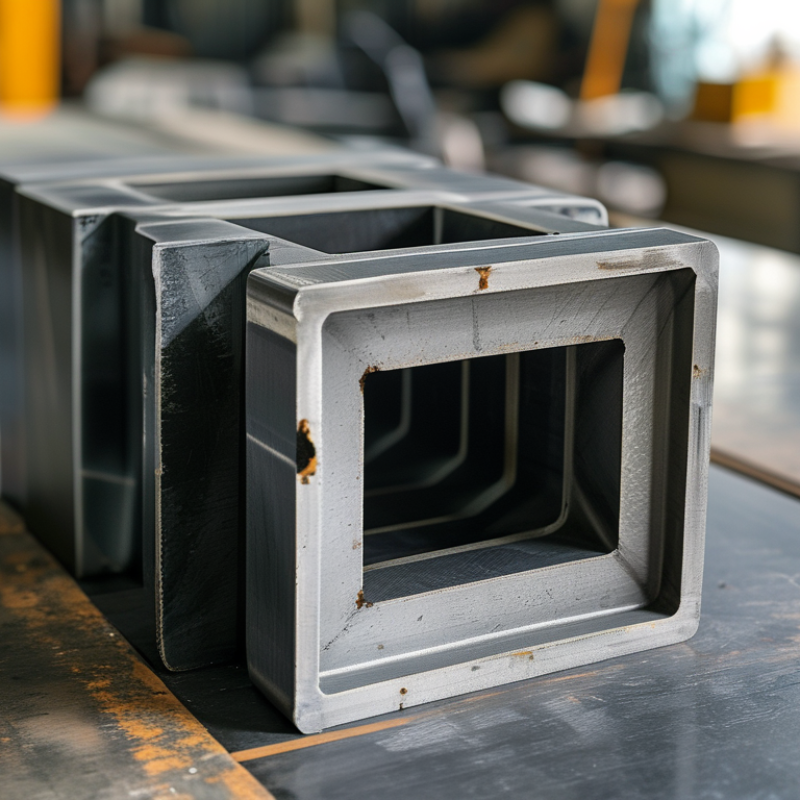
Understanding the Basics of Carbon Fiber Square Tubes
When selecting carbon fiber square tubes, it’s essential to grasp their fundamental properties. Carbon fiber is renowned for its strength and lightweight nature. These tubes exhibit high tensile strength and resistance to corrosion. However, not all carbon fiber tubes are designed equally. Knowing the specifications can significantly affect your project outcomes.
Consider the dimensions you require. Square tubes come in various sizes, making it easy to find one that fits your needs. Pay close attention to the wall thickness. Thicker walls provide durability but add weight. It is crucial to balance strength and weight for optimal performance.
Tips: Always check the carbon fiber’s weave pattern. A unidirectional weave offers strength in one direction, ideal for specific applications. In contrast, a woven fabric provides multidirectional strength.
Another aspect to reflect on is the cost. Carbon fiber might seem expensive at first glance. Yet, its durability often leads to lower long-term costs. You might face challenges in sourcing the right sizes. Don’t hesitate to reach out to suppliers for guidance or samples to better understand your options.
Identifying Your Specific Requirements for Carbon Fiber Applications
When selecting a carbon fiber square tube, identifying your specific requirements is crucial. Consider the primary application for which you need the tube. Will it be used in aerospace, automotive, or sporting goods? Each field has unique demands. For example, aerospace applications often require lighter materials with high tensile strength. Meanwhile, automotive users may value rigidity and impact resistance.
Next, think about the environmental conditions the tube will face. Will it endure high temperatures or moisture? Knowing these factors helps narrow down your choices. It's vital to assess the potential for exposure to chemicals or UV light. Some tubes will perform better than others under harsh conditions. Focus on factors like flexural strength and durability, as these are often key to performance.
Do not overlook your budget constraints. Sometimes the most expensive options are not the best fit for your needs. Researching different types may uncover affordable yet effective solutions. Understanding trade-offs between cost, weight, and strength can save you headaches later. Reflecting on these aspects ensures a balanced choice that meets both performance and budget requirements.
Carbon Fiber Square Tube Properties Comparison
This chart compares the properties of different carbon fiber square tubes based on tensile strength, flexural modulus, weight, and cost. Choosing the right carbon fiber square tube involves understanding these specific requirements and characteristics for your application.
Evaluating the Different Types and Grades of Carbon Fiber
When selecting a carbon fiber square tube, understanding the different types and grades is essential. Carbon fiber materials vary widely in terms of strength, weight, and flexibility. Each grade has its unique characteristics that affect performance in various applications. For example, higher modulus options may offer better stiffness but could be less forgiving under impact. It's crucial to assess the demands of your project before committing to a specific grade.
The manufacturing process can also influence the properties of carbon fiber. Some tubes undergo additional treatments that enhance durability and resistance to environmental factors. It's vital to consider how exposure to elements might impact the longevity of your chosen material. Moreover, not all carbon fiber products are created equally; lower-quality options may lead to unexpected failures. Evaluating your supplier's expertise and reputation helps ensure you are making an informed decision.
Even experienced users can make mistakes. Choosing the wrong fiber type can compromise your project’s integrity. A thorough understanding of the intended application can prevent costly errors. Take time to revisit your requirements and reflect on past selections. Each choice should reflect both your immediate needs and long-term goals.
Factors to Consider When Selecting the Right Dimensions
Choosing the right carbon fiber square tube starts with understanding dimensions. Different applications require different sizes. The width and height of the tube affect its strength and weight. A larger tube can support more load, yet it also adds weight. Right-sizing is often a balancing act. Overestimating your needs may lead to excess costs and weight.
The thickness of the tube is critical too. Thicker walls provide more strength but reduce flexibility. This can be an issue in dynamic applications where flexibility is preferred. Users often overlook the importance of wall thickness. Reflect on whether you truly need that extra strength or if a lighter option suffices. There’s a risk of choosing a pipe that's too thick, adding unwanted density without benefits.
Lastly, consider the length you require. Shorter tubes are easier to handle but may limit your design. Longer tubes offer versatility but can be cumbersome. Make sure your choice aligns with your specific use case. A poorly chosen length can lead to structural inefficiencies or additional costs in fabrication.
Keep these factors in mind to ensure your selection aligns with practical needs.
Analyzing Cost vs. Performance for Optimal Material Selection
When selecting a carbon fiber square tube, balancing cost and performance is crucial. Carbon fiber offers high strength-to-weight ratios. However, costs can vary widely based on the quality and specifications of the material. It’s tempting to choose the lowest-priced option, but this may lead to performance issues. Low-quality tubes can crack or deform under stress. You might save money initially, but the long-term costs can be high due to frequent replacements or failures.
Consider the specific requirements of your project. Will you need a tube that withstands heavy loads? Or one that provides flexibility? Each application has varying demands that impact material choice and costs. Investing in performance-enhanced carbon fiber can result in better durability and reliability. It’s essential to assess the potential risks and rewards of each option. Sometimes it’s hard to predict how a tube will perform until it’s in use, which can lead to unforeseen challenges.
Moreover, exploring various suppliers can offer insights into performance differences. Not all carbon fiber tubes are created equal. Discussions with manufacturers can clarify material properties. You might discover that slightly higher-priced options provide significant performance advantages. Balancing these factors thoughtfully can lead to more informed decisions.
