How to Choose the Best Indoor Decorative Wall Panel for Your Space?
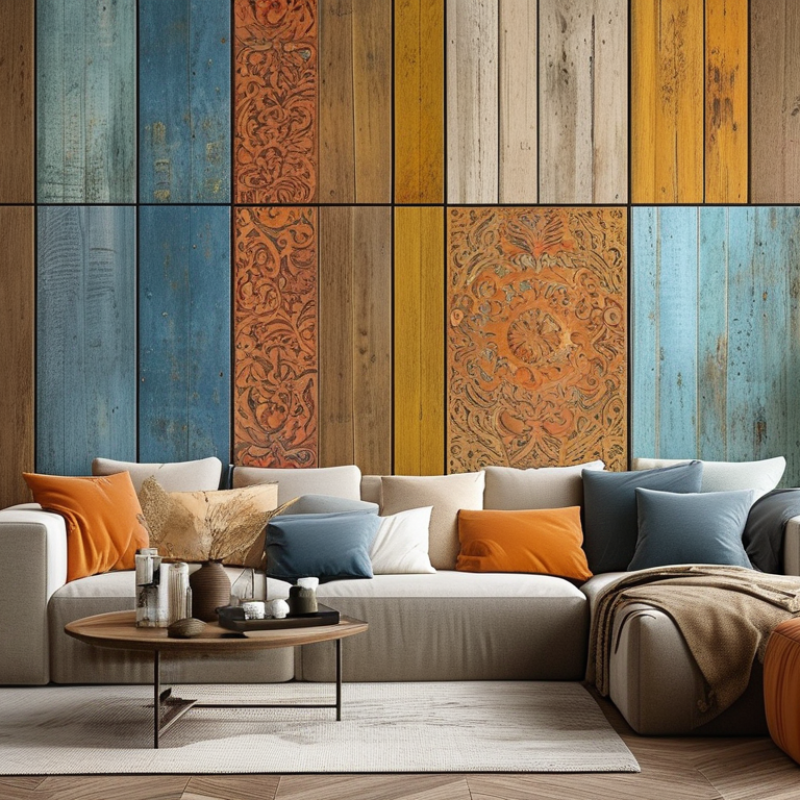
Choosing the right Indoor Decorative Wall Panel can dramatically change your space. These panels offer an array of designs and materials. They can enhance aesthetics while providing practical benefits such as insulation and soundproofing.
Consider your room's size and existing decor. A bold panel can energize a large space, while subtle designs are better for smaller rooms. Evaluate how colors and textures interact. A well-chosen panel creates harmony, while a mismatched one may clash.
Research different materials. Wood, vinyl, and fabric panels each have unique characteristics. Some may require maintenance, while others are more durable. Personal tastes also matter. It’s essential to reflect on what resonates with you. Don’t rush the decision; take your time to explore options.
Understanding Different Types of Indoor Decorative Wall Panels
When selecting indoor decorative wall panels, it's essential to understand the various types available. According to a report by the Research Institute of Interior Design, the market for decorative wall panels is projected to reach $10 billion by 2025, reflecting growing consumer interest in enhancing interiors.
Wood panels are a popular option, offering warmth and a natural aesthetic. They come in different finishes such as reclaimed, stained, or painted. However, maintaining wood panels requires regular upkeep to avoid wear and tear.
Metal panels are another trendy choice. They provide a sleek, modern look. Options like aluminum and steel can be durable but may be prone to scratching and denting. Ensure proper application to minimize these issues.
Tips: Consider the room's lighting before making a choice. Bright spaces can enhance the appeal of darker panels. Also, always measure your wall dimensions. This avoids ordering excessive materials. Remember, imperfect spaces can lead to unique designs. Embracing flaws may create a more personalized environment.
Evaluating Material Options for Durability and Aesthetics
When selecting an indoor decorative wall panel, the choice of material is crucial. Various materials offer different levels of durability and aesthetics. For instance, wood panels bring warmth and a timeless appeal but may require regular maintenance. They can warp or fade over time. On the other hand, metal panels are robust and bring a modern vibe. However, they may show fingerprints and scratches easily.
Consider the texture as well. Textured wall panels can create visual interest and depth. Some panels feature 3D designs, adding a unique look to your space. An important aspect is to weigh costs versus benefits.
Cheaper materials may not last, causing replacements down the line. Consult with professionals for insights. Their experience can guide you towards options that align with your needs.
Finally, reflect on your lifestyle. If you have pets or children, selecting more durable materials might be wise. A low-maintenance option could save time and worry. Balancing form and function is essential for a satisfying result. Your space deserves thoughtful choices that enhance its beauty and practical use.
Considering Color and Texture to Match Your Interior Design
When selecting an indoor decorative wall panel, color and texture play a vital role. The perfect color can set the mood of the room. Soft pastels might create a calming ambiance, while bold hues can add drama. Consider how light affects these colors throughout the day. Natural and artificial lighting can drastically alter appearances. This observation can help avoid a color that looks appealing in the store but dull in your home.
Texture adds depth and interest to wall panels. Smooth finishes can lend a modern feel, while rough textures can evoke a rustic charm. Think about how these textures will interact with your furniture. A plush sofa against a rough wall panel may feel cozy. Yet, a sleek furniture piece may clash with overly textured backgrounds. Experimentation is key. Don't shy away from samples. View them in various lighting conditions to assess their impact.
Choosing the right combination is less about perfection and more about reflection. What emotions do you wish to evoke? Which elements resonate with your style? Take your time to explore options. This process can lead to surprising discoveries that truly personalize your space.
How to Choose the Best Indoor Decorative Wall Panel for Your Space?
| Feature | Description | Recommended Use | Color Options | Texture Options |
| Wood Panels | Natural appearance providing warmth and elegance. | Living rooms, offices, and dining areas. | Light oak, dark walnut, cherry. | Smooth, textured, grainy. |
| PVC Panels | Affordable and moisture-resistant option. | Bathrooms, kitchens, and basements. | White, pastel colors, bold tones. | Glossy, matte, patterned. |
| Fabric Panels | Softens sound and adds texture. | Media rooms, bedrooms, and lounges. | Neutral tones, vibrant fabrics. | Upholstered, quilted, patterned. |
| Stone Panels | Adds elegance and durability. | Entryways, fireplace surroundings, accent walls. | Grey, beige, natural stone colors. | Rough, polished, textured. |
| 3D Wall Panels | Creates a dramatic impact with depth. | Modern living rooms, creative spaces. | White, black, customizable colors. | Geometric, organic, abstract designs. |
Assessing Panel Size and Layout for Space Optimization
Choosing the right size and layout for indoor decorative wall panels requires careful consideration of your available space. The right dimensions can transform a room, making it feel more inviting and cohesive. For example, a recent industry report highlighted that 40% of homeowners regret not measuring their wall space effectively. Panels that are too large can overwhelm a small room, while too small panels can get lost on expansive walls.
Considering the layout is equally vital. Placing panels at varying heights can create visual interest. However, balancing aesthetics with practicality is essential. Experts suggest leaving at least 18 inches between the top of the panel and the ceiling for a breathable design. Additionally, according to design analysts, spaces with panels occupying around 30% of the wall can feel more engaging without overwhelming the eye.
Moreover, think about panel placement. Incorporating panels around windows or doors can frame these features beautifully. Yet, it’s important to assess natural light and shadows produced by different panel materials. A study revealed that 25% of homes faced lighting issues due to poor panel choices. Addressing these details ensures a well-thought-out setup, balancing beauty and functionality.
Setting a Budget and Exploring Cost-Effective Solutions
When considering indoor decorative wall panels, setting a budget is vital. Many options exist that can fit various financial plans. A well-defined budget can help you narrow your choices. Consider your overall design vision and how much you're willing to spend on materials. This will avoid overspending while ensuring you stay true to your aesthetic goals.
Cost-effective solutions can be found in various materials. For example, engineered wood offers a stylish look without breaking the bank. PVC panels mimic more expensive materials but are light and easy to install. These alternatives can elevate your space while being wallet-friendly. However, reflect on durability and maintenance. Cheaper options may require more upkeep over time. Balance cost with quality to achieve a long-lasting solution.
Sometimes, settling for budget-friendly panels might lead to compromises. Explore second-hand markets or DIY options for custom designs. Repurposing materials can be rewarding and unique. It allows you to express individuality, even on a budget. Keep an open mind as you browse different approaches. This flexibility can lead to surprising finds that align with your vision.
Cost Comparison of Indoor Decorative Wall Panels
This chart illustrates the average cost per square foot for various types of indoor decorative wall panels. Understanding these costs can help you set a budget and explore cost-effective solutions for your space.