Why Choose a Ball End Mill for Your Machining Needs?
In the world of precision machining, the choice of tools can significantly impact production efficiency and product quality. A Ball End Mill is one such tool that has gained considerable attention in recent years. According to a report by Techsci Research, the global end milling market was valued at over $3 billion in 2022 and is projected to grow steadily. The versatility of Ball End Mills allows them to create complex contours and intricate shapes, which are vital in industries like automotive and aerospace.
Ball End Mills excel in applications requiring radius profiling and 3D contouring. Their spherical end allows for smoother finishes and better material removal. However, it’s essential to reflect on the potential limitations. For instance, their performance may vary based on the type of material being machined. In harder materials, they may produce less efficient cutting compared to flat end mills. Understanding these nuances can help operators avoid costly mistakes and ensure better machining outcomes. Embracing the right tool is key to maximizing productivity and precision.
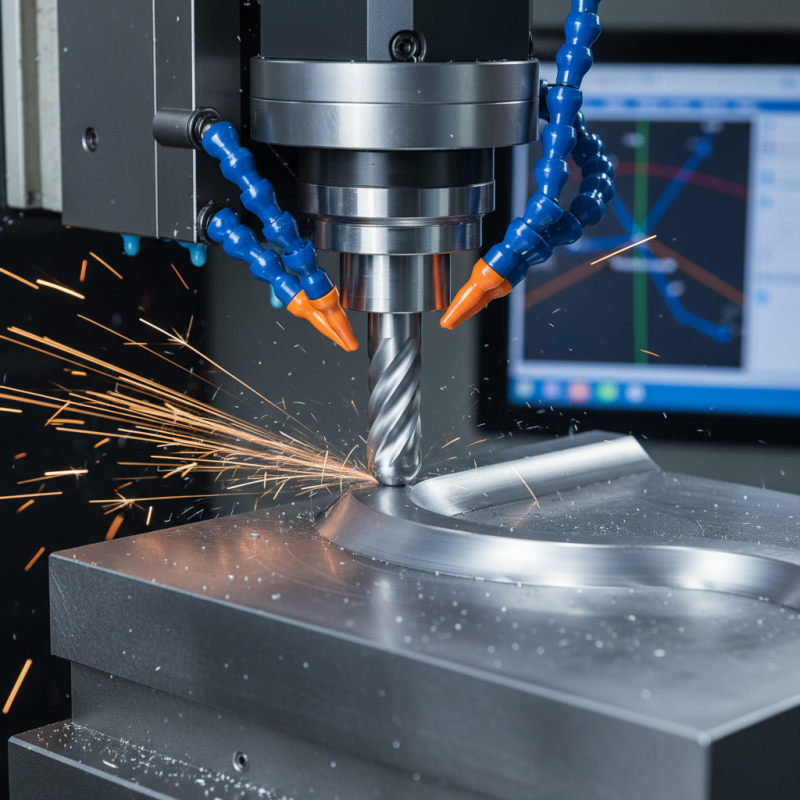
Understanding the Structure and Design of Ball End Mills
Ball end mills are designed for specific machining tasks. Their unique shape allows for the creation of complex features. With a rounded tip, these tools excel at producing curved surfaces and intricate details. The ball end shape reduces the risk of chatter during machining. It maintains a consistent cutting action across various angles and depths. This versatility makes it a popular choice among machinists.
The structure of a ball end mill is essential for its performance. Typically, it has a short and stout design. This provides stability while cutting. The flute geometry impacts chip removal and surface finish. Different coatings can enhance durability and performance. However, not all designs fit every application. Machinists should consider the specific requirements of their projects. Sometimes, adjustments in feed rates or speeds can yield better results.
While ball end mills are efficient, they are not without flaws. For certain materials, they may struggle with wear. Operators need to monitor tool life closely. Choosing the right size and diameter is crucial. A common error is using an incorrect size, leading to poor finishes. Such mistakes highlight the need for careful planning and testing. Understanding the nuances of ball end mills can significantly improve machining outcomes.
Key Advantages of Using Ball End Mills in Machining Processes
Choosing a ball end mill can greatly enhance machining precision. These tools allow for more intricate shapes and contours. They feature a rounded end, enabling smoother transitions and better surface finishes. According to a report from the National Tooling and Machining Association, using ball end mills can reduce production time by up to 30% in certain applications.
One notable advantage is their ability to machine complex 3D geometries effectively. The rounded profile helps avoid sharp edges, which can lead to chipping and tooling wear. Studies indicate that ball end mills can increase tool life by up to 25% compared to flat end mills. This can lead to lower replacement and maintenance costs.
However, ball end mills may require higher spindle speeds and feeds. This can raise the risk of overheating if not monitored closely. Many machinists reflect on their experiences, noting the balance needed between optimal settings and tool longevity. While these mills provide significant benefits, the intricacies of their use must be understood to maximize efficiency.
Machining Efficiency Comparison: Ball End Mill vs. Flat End Mill
This chart compares the performance of Ball End Mills and Flat End Mills across four critical dimensions in machining processes: Material Removal Rate, Surface Finish Quality, Tool Life, and Versatility. The data reflects the advantages of using Ball End Mills, particularly in achieving better surface finishes and higher versatility, making them a preferred choice for many machining applications.
Applications of Ball End Mills in Various Industries
Ball end mills are essential tools in various industries due to their unique design. They offer the ability to create smooth, rounded edges and complex shapes. This feature is critical in the automotive and aerospace fields, where precision is paramount. For example, engineers use ball end mills to create intricate molds. These molds are used in everything from engine parts to aircraft components.
In the medical device industry, ball end mills are also valuable. They help manufacture devices that require precise geometries. Items like surgical instruments and implants often depend on these tools for their production. Additionally, ball end mills are used to create detailed carvings in wood and plastic. Sculptors and artisans find them helpful for achieving fine details that enhance their work.
Tip: When using a ball end mill, always check the tool for wear. A worn tool can lead to inaccuracies in your work. Another tip is to consider different materials. Ball end mills can be used on various materials, but the condition of the material affects the process. Knowing how to adjust speeds and feeds based on the material can save you time and resources. This requires reflection on previous experiences to improve future machining projects.
Comparing Ball End Mills with Other Cutting Tools
When choosing cutting tools for machining, the comparison between ball end mills and other options is essential. Ball end mills are widely preferred for creating complex contours and smooth surfaces. Their hemispherical tips enable effective cutting in three-dimensional shapes. Meanwhile, flat end mills may struggle with detailed curves or rounded edges.
Tip: For intricate designs, consider using a ball end mill. Its shape can create fine features that flat end mills cannot achieve.
Unlike traditional end mills, ball end mills excel in corner radii. They avoid stress concentrations during machining. This feature reduces the risk of chipping or breaking. In contrast, other tools may not deliver the same precision.
Tip: Always choose the correct diameter for precision work. A larger ball end mill might be too aggressive for delicate details.
Despite their advantages, ball end mills can wear down quickly. Inconsistent material quality may exacerbate this issue. Evaluating tool wear is critical to maintaining performance. This factor is often overlooked, leading to frustrating outcomes.
Selecting the Right Ball End Mill for Your Specific Machining Needs
When selecting the right ball end mill for your specific machining needs, understanding the geometry is crucial. The rounded tip of a ball end mill allows for smoother transitions in complex shapes. This feature is especially beneficial in machining 3D contours and intricate designs. The right diameter can make a significant difference. A smaller diameter can create finer details, while a larger diameter is better for more significant cuts.
Choosing the right material for the ball end mill is equally important. High-speed steel works well for softer materials, while carbide is best for harder materials. Consider cutting speeds and feeds carefully. This can impact tool life and workpiece finish. Sometimes users forget to optimize these settings. This oversight can lead to poor outcomes and wasted time.
It's important to reflect on past machining projects. Were the right tools and settings used? Analyzing previous results can guide future choices. Addressing smaller details could lead to vastly improved outcomes. After all, the right ball end mill can elevate the quality of your work.
