10 Best Window Replacement Solutions for Every Homeowner?
When it comes to home improvements, selecting the right window replacement solutions is crucial. Windows play a vital role in energy efficiency, aesthetics, and comfort. Choosing the best option can transform a home’s look while also enhancing its value. However, with many choices available, it’s easy to feel overwhelmed.
Different homes have unique needs. Factors such as climate, style, and budget influence which window replacement solutions work best. Budget constraints might force homeowners to opt for less ideal materials or styles. Yet, investing in quality windows pays off in the long run. They help in temperature regulation and reduce energy costs.
Homeowners often grapple with the decision of DIY versus professional installation. While DIY can save money, it may lack the expertise necessary for optimal results. Guidance from professionals can ensure proper fitting and improved performance. Seeking advice from trusted sources helps homeowners navigate the complexities of window replacement. Exploring these options is essential for making informed decisions that suit individual needs.

Understanding Window Replacement: Key Considerations for Homeowners
Replacing windows is a crucial investment for homeowners. It’s not just about aesthetics; it impacts energy efficiency, security, and even noise reduction. One vital consideration is choosing the right material. Vinyl, wood, and aluminum each offer distinct benefits and drawbacks. Homeowners must weigh durability against maintenance needs.
Budget constraints can also complicate decisions. High-quality windows might seem expensive, yet they can save money on energy bills over time. Homeowners should not rush the process. Comparing quotes, examining warranties, and evaluating installation services are essential steps. Poor installation can lead to leaks and further costs.
Energy efficiency ratings present another layer of complexity. Understanding these ratings helps homeowners choose wisely. Look for features like double glazing or low-E coatings, which enhance insulation. However, it’s easy to overlook long-term performance in favor of short-term savings. Taking the time to educate oneself about these factors can lead to better outcomes in the long run.
Energy Efficiency Ratings: Why They Matter in Window Selection
Choosing windows for your home is more than just a style decision.
Energy efficiency ratings play a vital role in this choice.
They indicate how well a window can insulate your home. A window with a high efficiency rating can significantly reduce energy costs.
It keeps your home warm in winter and cool in summer. This means lower utility bills and a smaller carbon footprint.
Understanding the different energy efficiency ratings can be confusing. Look for the
National Fenestration Rating Council (NFRC) labels.
They provide clear metrics like U-factor and Solar Heat Gain Coefficient.
These numbers matter because they show the window's ability to resist heat loss and block unwanted solar heat.
Effective windows prevent drafts and maintain indoor comfort.
However, not every window will perform the same way in all climates.
Many homeowners overlook these ratings. They focus on the aesthetic appeal instead.
While looks are important, energy efficiency impacts long-term savings.
A beautiful window that isn’t energy-efficient may cost more over time.
Investing time in understanding these ratings can lead to better decisions.
Aim for good design with top efficiency ratings. Your home deserves both.
Comparing Materials: Vinyl, Wood, and Aluminum Windows for Durability
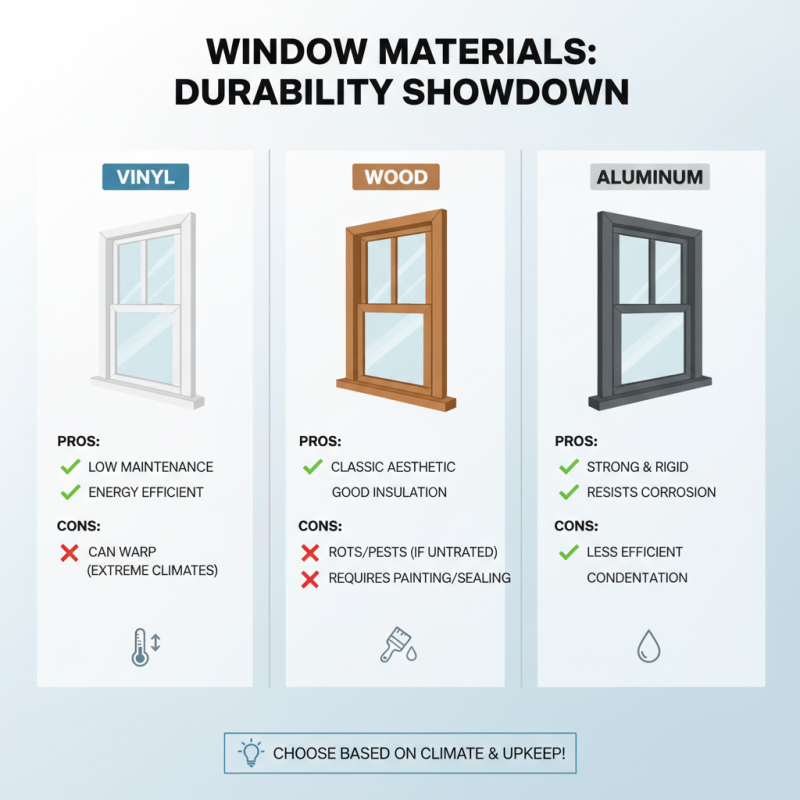
When considering window replacement, homeowners often look at three main materials: vinyl, wood, and aluminum. Each option has its own strengths and weaknesses. Vinyl windows are popular for their low maintenance and energy efficiency. They resist fading and do not need painting, making them a practical choice. Yet, over time, they can warp, especially in extreme climates.
Wood windows exude elegance and natural beauty. They provide excellent insulation, which can lower heating costs. However, wood requires ongoing maintenance such as painting or staining to prevent rot. Many homeowners find this upkeep daunting, and wood can be prone to insect damage. It’s a timeless option, but not for everyone.
Aluminum windows are durable and weather-resistant. They are often chosen for their sleek, modern appearance. Though they are sturdy, aluminum conducts heat more than other materials, which can compromise energy efficiency. Homeowners may need to weigh these factors carefully. Each material has merits, but understanding the implications is crucial to making an informed choice.
Cost Analysis: Average Window Replacement Costs and ROI for Homes
Window replacement can be a significant investment for homeowners. The average cost of replacing windows varies widely. On average, homeowners spend between $200 and $1,200 per window. This range depends on factors such as window size, style, and material. More complex installations can push costs even higher. A good understanding of these expenses helps in budgeting effectively.
The return on investment (ROI) for window replacements is noteworthy. Homeowners can typically expect a return of about 70% to 80% of the replacement cost. However, this ROI can fluctuate based on location and the home’s value. Selecting energy-efficient windows often results in additional savings on utility bills. Homeowners may feel reassured by knowing that new windows can improve curb appeal and increase property value.
While the benefits are clear, some challenges exist. Homeowners should be prepared for potential delays and unanticipated costs. Every project can reveal hidden issues like outdated frames or insulation problems. Engaging with knowledgeable professionals can address these risks. Still, relying too heavily on contractors without thorough research might lead to unsatisfactory outcomes. Carefully evaluating options ensures that homeowners make informed decisions.
Average Window Replacement Costs and ROI Analysis
Installation Methods: Professional vs. DIY Window Replacement Explained
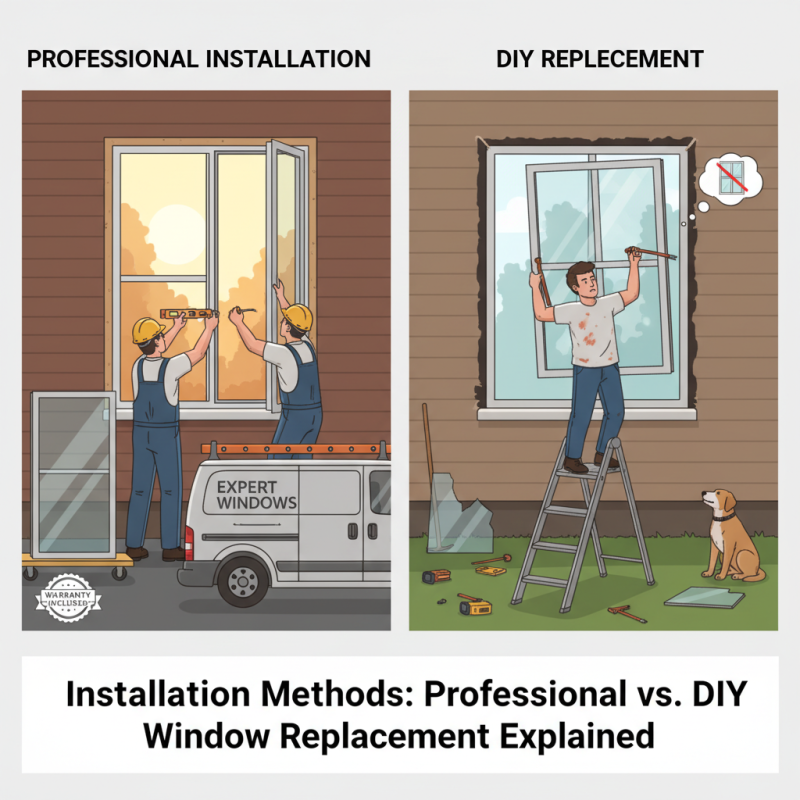
When it comes to window replacement, options fall into two main categories: professional installation and DIY. Choosing the right method can significantly impact the project outcome. According to the National Association of Home Builders, nearly 30% of homeowners opt for professional help. The reasoning? Expertise, precision, and warranties are compelling factors. Pros can handle complex installations. They understand building codes and safety concerns.
DIY window replacement appeals to budget-conscious homeowners. A recent survey found that about 15% choose this route to save money. However, it’s essential to weigh the pros and cons. Improper installation can lead to air leaks and inefficient energy usage. Data from the Department of Energy shows that up to 30% of heating and cooling energy can escape through inefficient windows. Homeowners must ensure they have the necessary skills and tools. If not, the project may become more costly than hiring a professional.
Measuring once and cutting twice isn’t a foolproof plan. Mistakes in measurements or installation can lead to significant setbacks. A small error can compromise energy efficiency. The long-term benefits of a well-installed window can outweigh the initial savings of a DIY approach. Understanding your level of expertise is key to making the right choice. Consider all factors before diving into this important home improvement.