What is Architectural Glass and Its Benefits for Your Projects?
Architectural Glass is a key element in modern design. It combines functionality with aesthetics, transforming spaces dramatically. This versatile material enhances natural light, improves energy efficiency, and offers various design possibilities.
Using Architectural Glass creates a seamless connection between indoor and outdoor environments. It invites the surrounding nature into the building, promoting well-being. High-quality glass can reduce energy costs through better insulation. However, choosing the correct type is crucial. Not all glass provides the same benefits or effects.
The use of Architectural Glass poses challenges too. Selecting the right thickness and treatment requires expertise. Many projects benefit from professional insight on durability and safety standards. Balancing style and functionality can be complex. Each decision impacts the final outcome. Thoughtful considerations in this journey lead to inspiring results.
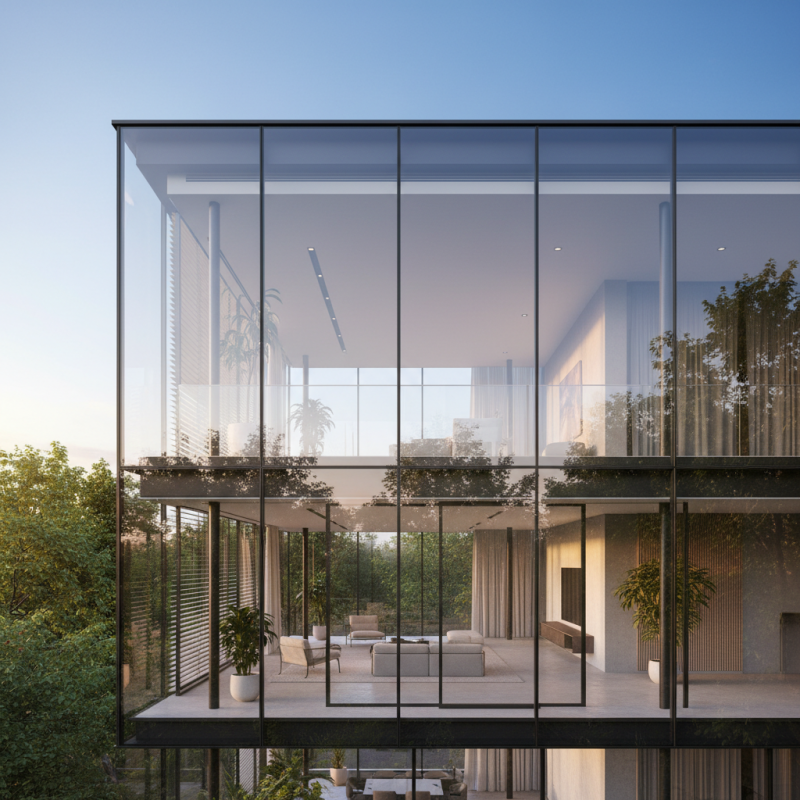
What is Architectural Glass? Definition and Key Characteristics
Architectural glass is a versatile material commonly used in modern construction. It refers to specialized glass designed for building facades, windows, and interiors. This glass can enhance both aesthetic appeal and structural integrity. It's not just about looks; it also plays a crucial role in energy efficiency.
One key characteristic of architectural glass is its ability to be fabricated in various ways. It's available in different thicknesses, colors, and textures. This versatility allows architects to experiment with designs that reflect their vision. For example, frosted glass can provide privacy while letting in natural light. Tourists are often impressed by the elaborate glass facades of skyscrapers. However, achieving the perfect balance between design and functionality can be challenging.
Another important feature is its energy efficiency. Many architectural glasses are treated to minimize heat transfer, which can reduce energy consumption. This can lead to lower utility bills. However, some concerns arise about the initial cost of high-performance glass. Sometimes, the benefits may not be immediately apparent. Careful planning is required to ensure the selected glass aligns with the project's goals and budget. The decision-making process can be complex and requires thoughtful consideration.
Types of Architectural Glass Used in Modern Construction Projects
Architectural glass plays a crucial role in modern construction. Various types of architectural glass offer distinct benefits. Understanding these types can significantly impact your project's design and performance.
One popular type is tempered glass. It is treated to increase its strength, making it more resistant to thermal stress and impact. According to the Glass Association, tempered glass can be up to five times stronger than standard glass. This durability enhances safety, which is essential in high-rise buildings. However, its production process can lead to higher costs and environmental concerns.
Another significant option is low-emissivity (Low-E) glass. This type has a special coating that reflects heat while allowing natural light to enter. Reports from the U.S. Department of Energy indicate that using Low-E glass can reduce energy costs by up to 30%. It improves thermal insulation, benefiting HVAC efficiency. Yet, the installation process can be complex and may require skilled professionals, which adds to project timelines.
Finally, laminated glass offers impressive safety and sound reduction. It consists of two layers of glass with a interlayer in between. This creates a barrier against noise and makes it harder to break. Despite these advantages, laminated glass can be heavier and more difficult to handle during construction. Balancing performance and practicality is key for successful architectural projects.
What is Architectural Glass and Its Benefits for Your Projects?
| Type of Architectural Glass | Benefits | Common Applications |
| Tempered Glass | High strength, safety, and thermal resistance | Windows, shower enclosures, glass doors |
| Laminated Glass | Sound insulation, UV protection, shatter resistance | Skylights, facades, safety glazing |
| Low-E Glass | Energy efficiency, glare reduction | Commercial buildings, residential homes |
| Insulated Glass | Thermal performance, noise reduction | Windows, curtain walls |
| Frosted Glass | Privacy, aesthetic appeal | Partition walls, bathrooms, offices |
Key Benefits of Architectural Glass: Aesthetic, Energy Efficiency, and Safety
Architectural glass plays a vital role in modern design, offering numerous benefits for various projects. Its aesthetic appeal is undeniable. Large glass surfaces can create visually stunning facades that blend with the surrounding environment. According to a report by Research and Markets, the architectural glass market is projected to reach $215 billion by 2025, highlighting its popularity and demand in construction.
Energy efficiency is another critical advantage. Architectural glass can enhance a building's energy performance significantly. Using advanced glazing technologies, buildings can reduce heat loss and gain. The U.S. Department of Energy states that energy-efficient windows can save up to 30% in heating costs. However, achieving optimal insulation requires careful selection and installation, which can be complex.
Safety is an essential consideration as well. Tempered and laminated glass types are designed to withstand impacts and prevent shattering. Data from the National Glass Association shows that using safety glass can reduce injuries by 80% in case of accidents. Yet, some projects may overlook this aspect, putting safety at risk in pursuit of aesthetic goals. Balancing beauty and practicality is crucial for a successful design.
Industry Standards and Regulations for Architectural Glass Applications
Architectural glass plays a significant role in modern construction. Understanding industry standards and regulations is essential for successful applications. Various building codes dictate the performance and safety requirements for glass used in buildings. These standards ensure that glass installations are not only aesthetically pleasing but also durable and safe.
When selecting architectural glass, consider its thermal performance, which affects energy efficiency. Look into local regulations regarding safety glazing. Tempered and laminated glass often meet these requirements. Compliance can enhance safety and aesthetics simultaneously.
Tips: Always consult with local building authorities to ensure compliance with relevant codes. Keep updated on industry standards as they can change. Testing and certification from recognized organizations can provide assurance of quality and reliability. Reflect on any project-specific challenges you may encounter. Addressing them early can save time and costs down the line.
Innovative Trends in Architectural Glass: Smart Glass and Sustainability
Architectural glass has evolved significantly, incorporating innovative trends like smart glass technology. Smart glass can change its transparency according to light conditions. It allows sunlight to filter through while maintaining privacy. This dynamic capability enhances the comfort of interior spaces. Projects can benefit from reduced glare and energy savings.
Sustainability is another crucial aspect of modern architectural glass. Many glass products now use recycled materials. They are designed to minimize energy consumption during production. Incorporating such materials into building design promotes environmental responsibility. However, the durability of these materials can raise questions. Are they truly as strong as traditional options?
Despite its advantages, architectural glass also presents challenges. Installation requires skilled professionals to ensure optimal performance. Poor installation can lead to leaks and condensation issues. Balancing aesthetics with functionality is essential. Architects must weigh these factors when designing spaces that incorporate glass.
Benefits of Architectural Glass in Building Projects
